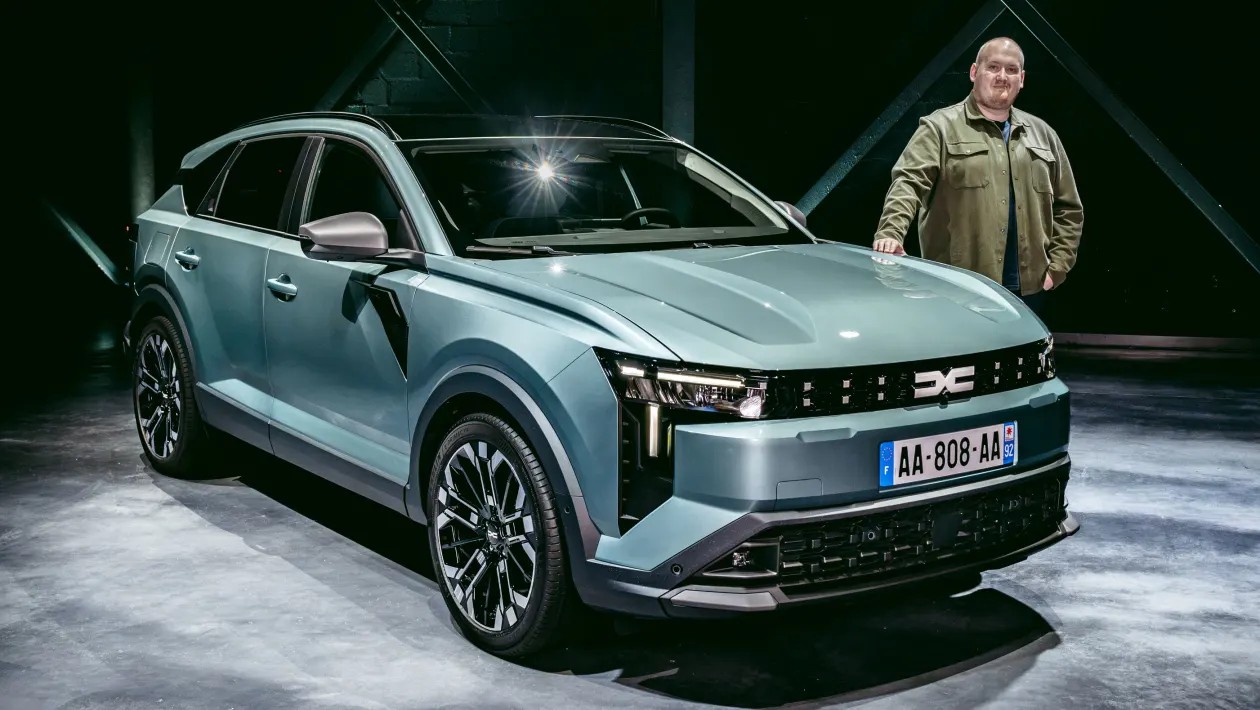
SUVs are everywhere. We’re drowning in them. They are boxy, bloated, and generally overpriced for what they do. Enter Dacia with the Striker. It’s an estate. A family car. But it looks like it can drive off-road, costs less than a used mid-range sedan, and goes on sale in the UK later this 2026 calendar year.
Prices start under £25,000. That’s the headline.
Auto Express got a look. Not just images released back in March. Actual hands-on time with the thing that is supposed to take shots at the MG HS, Nissan QashQai, and Skoda Octavia. It’s Dacia’s phase two in the C-segment. Phase one was the Bigster—boxy, utilitarian, named honestly. Phase two is the Striker. Phase three? The execs won’t say.
The goal is a car you can take anywhere. Even if the road is ruined. You say ‘no problem’, you have a Dacia. You aren’t afraid.
That’s the pitch. And it’s interesting because the car itself looks athletic. Sleek roofline. Sculpted bonnet. A rear spoiler. It sits 20cm off the ground with plastic cladding everywhere. Dacia calls this material ‘Starkle’. It resists light scratches. Supermarket car parks won’t leave it scarred. It blends SUV toughness with estate practicality and saloon sleekness. Basically, an Audi A6 allroad. If an allroad was half the size and one-third the price.
What’s under the hood
Two powertrains. Both hybrids. Both shared with the Bigster but tuned for different moods.
First, the Hybrid 155. It’s the efficiency king. A 1.8-liter four-cylinder engine. One main electric motor. A separate starter-generator. A small 1.4kWh battery paired with a six-speed automatic. Dacia claims 60 mpg. They say 80% of city driving is electric. CO2 emissions? Under 100g/km.
Then there is the Hybrid 150 4x. For people who actually drive in mud or snow. Or pretend to. This one uses a smaller 1.2-liter turbo three-cylinder engine. It has a 48-volt mild hybrid system. The rear axle gets its own 30bhp e-motor. A two-speed gearbox at the back lets that motor deliver torque low down for off-roading but can still assist up to 86 mph on the road.
It drives electric about 60% of the time in town. You get specific drive modes. Snow. Mud. Sand. And a special off-road mode for low speed crawling.
Performance specs:
- Hybrid 155 : 153 bhp. 0-62 mph in 9 seconds. Top speed TBC.
- Hybrid 150 AWD : 148 bhp. 0-062 mph in 10 seconds. Top speed TBC
Not quick. Not slow. Just… adequate.
Inside the cabin
Design boss David Durand walked us around. He wants this car to feel athletic but keep that “bring it anywhere” DNA.
Inside, it shares bits with the Bigster but isn’t a copy. The dashboard layout tries to make the space feel bigger. There are weird materials here. Denim. Yes, actual denim on the seats and trim. Doors have soft-touch stuff that feels like wetsuit lining. More Starkle plastic too.
It breaks up the hard plastic dominance. Dacia is committed to sustainability, remember. Starkle has up to 20% recycled polypropylene. The whole car uses 47kg of plastic waste. Double the European average.
They tried to refine the ride quality. Thicker glass on the windshield. Shaped mirrors to cut wind noise. We’ll know if it worked when we drive it later this year. Until then, it’s a promise.
And the sunroof? Panoramic glass. One single piece. Unthinkable for Dacia five years ago. Reserved for the top specs, obviously.
Tech and screens
Everyone gets a 10.1-inch screen. Wireless Apple CarPlay. Wireless Android Auto. It runs Dacia’s system. Simple. Easy to use. Not bloated with features no one touches.
Below the screen, physical buttons. For climate. Real toggles. A relief in 2025 and beyond.
The driver’s display is either 7 inches or 10 inches, depending on trim. The 10-inch one uses a reflection trick to create a holographic look. Looks cool. Doesn’t distract. Steering wheel buttons are actual buttons, not touch-sensitive ghosts. The center console has 6.7 liters of storage space. Enough for phone, keys, loose change, and sanity.
Space: The Estate Argument
Why buy an estate? Boot space.
The Striker is 4.62 meters long. Biggest Dacia ever. About 5cm longer than the Bigster but lower. Only 1.53 meters high compared to the Bigster’s 1.7 meters.
Less headroom in the back? Maybe. Six-foot adults fit. Legroom is decent. Front seat knees have room under the seats too. Three adults across the back? The center tunnel makes that a squeeze. Kids or teenagers will be fine. Isofix points are on the bench. Two sets.
The boot is the star. 600 liters.
More than a Kia Sportage. More than a Qashqai. Slightly less than a Skoda Octavia estate (640 liters). But fold the seats down. 1,600 liters.
The floor is clever. Three parts. It creates a flat surface. It divides the space. Flip it over for a wipe-clean side. There’s even a diagram in the boot lid. It shows maximum load dimensions. IKEA hauls are sorted.
Other details matter. An ice scraper hides behind the driver’s door. A system called YouClip lets you attach accessories. Cup holders. Bag hooks. They sell a roof box. A “racecar blanket” to keep kids busy. A pet bed. Practical stuff. For real life.
Safety tech
Standard safety is solid. Automatic emergency braking. Lane keep assist. Driver attention monitoring. Speed limit signs recognition. Adaptive cruise control. That last one is good for highways.
Optional pack adds blindspot warning. Rear cross-traffic alert. Surround-view cameras.
Price and trims
On sale in the UK later this summer.
Prices start just under £25,00.
Compare that to a hybrid QashQai. About £10k more expensive. Base Skoda Octavia? No hybrid, but roughly £4,500 more. The value gap is wide.
Four trim levels.
Essential
The entry point. 17-inch steel wheels. Roof bars. Manual A/C. 7-inch driver display. Rear camera.
Expression
Adds alloys. Dual-zone A/C. Higher console design. Rear USBs. Auto-hold. Better for stop-start traffic.
Extreme
18-inch rims. Copper-brown trim inside out. Panoramic roof. 10-inch driver screen. Sat-nav. Six-speaker sound system. Hill-descent control.
Journey
The top. Wireless charging pad. Heated seats. Heated steering wheel.
Dacia isn’t trying to be a premium brand. They are trying to be the smart buy. The Striker looks good. It drives well on paper. It saves fuel. It costs significantly less.
The only question is whether the build quality can hold up against the competition when the novelty wears off. The denim might smell like new jeans. The Starkle might hide the scratches. But will the rust appear? Will the electronics fail in winter?
We don’t know yet. We’re waiting for the keys. Until then, look at the price. Look at the space. Then tell us you need an SUV.