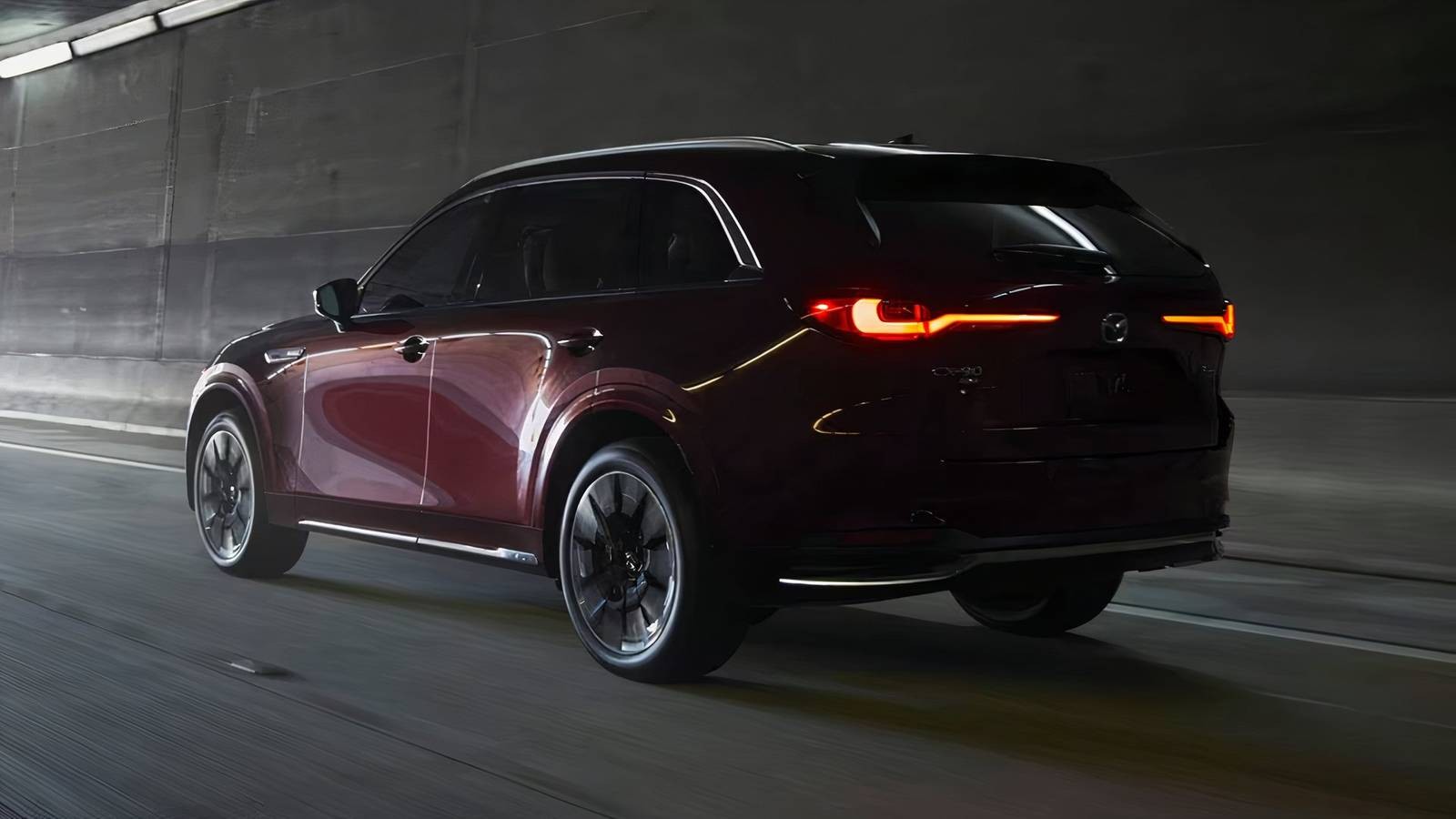
For decades, luxury in the automotive world has been defined by bold statements – aggressive styling, hefty price tags, and feature lists designed to overwhelm. Most brands either chase prestige head-on or create entirely new divisions to signal exclusivity. Mazda did neither. Instead, it quietly redefined luxury by prioritizing refinement over recognition, feel over flash. Today, Mazda products rival – and often surpass – traditional luxury competitors, not through marketing hype, but through the cars themselves. This shift wasn’t accidental; it was a deliberate, long-term strategy.
The Unconventional Path: Prioritizing Feel Over Flash
Most manufacturers aiming for luxury follow a predictable formula: more features, more power, more screens. Mazda instead focused on improving what it already did well. Ride quality, steering calibration, cabin design, and material selection were all refined over time. The goal wasn’t immediate impact but long-term satisfaction. First impressions sell cars; lasting quality builds brands. This approach became apparent with models like the later-generation Mazda6 and, decisively, the Mazda3. Mazda tested whether refinement alone could shift perception, and it worked. The brand allowed customers to discover the luxury for themselves – a slower, but more convincing, process.
Design Philosophy: Subtraction Over Addition
Mazda’s rise wasn’t driven by radical styling changes. Instead, it employed a philosophy of subtraction. The Kodo design language evolved by shedding excess rather than adding complexity. Early iterations were expressive; later versions became calmer, reflecting confidence rather than aggression. While rivals leaned into sharp lines and oversized grilles, Mazda enhanced surface quality and proportion. The latest Mazda3 embodies this evolution. The fourth-generation BP Series (post-2019) refined the Kodo design, leaning further into luxury without shouting for attention. The result is a design that trusts itself and the buyer. The CX-60 follows this same principle, resisting visual clutter and exuding a mature presence.
Interior Quality: A Focus on Coherence, Not Novelty
Where Mazda truly challenges the status quo is inside the cabin. The Mazda3 Astina’s interior exemplifies the brand’s philosophy: simplicity defines space. Materials are chosen for function, designed to age honestly. No gimmicks fight for attention. The CX-60, particularly in Takumi specification, leans into Japanese craftsmanship, with subtle textures and thoughtful stitching. The key isn’t the presence of luxury features, but the absence of distraction. Mazda’s interiors are calm spaces, prioritizing coherence over novelty – a rare quality in today’s market.
Technology: Restraint as a Luxury Feature
Ironically, Mazda’s approach includes less technology. While screens are present, they don’t dominate the cabin. Physical buttons remain, creating an interface that is intuitive and not overwhelming. This matters because luxury isn’t about impressing once; it’s about comfortable daily use. Mazda’s interiors reduce cognitive load, reinforcing the idea that luxury isn’t about more, but about better decisions.
Driving Refinement: The Essence of Effortless Luxury
Luxury isn’t always about raw performance. Often, it’s about the absence of effort. Mazda’s engineering prioritizes balance and predictability. Steering is calibrated for natural response, suspensions are tuned for control without stiffness, and noise is managed to reduce fatigue. The Mazda3 exemplifies this composure, while the CX-60 offers polish and refinement. Luxury isn’t how a car behaves when pushed; it’s how little it demands when you’re not.
Consistency as a Strategy
Mazda’s transformation wasn’t a single breakthrough; it was built through consistent application of its principles. The Mazda3 proved that premium thinking could be accessible, the CX-5 showed that refinement didn’t require abandoning mainstream success, and the CX-60 represents confidence. This consistency is rare and powerful.
The Real-World Appeal of Sustainable Luxury
Mazda’s approach resonates because it aligns with real-world ownership. Pricing remains accessible, ownership anxiety is lower, and long-term reliability perceptions are strong. Buyers aren’t forced to justify their choice emotionally or financially. The CX-60 offers premium quality without the prestige tax, making it a credible alternative for many. Mazda’s version of luxury is sustainable—both emotionally and financially.
Mazda’s foundation of luxury has always been a simple formula: honest cars that reward smooth inputs and punish nothing unnecessarily. This philosophy grew organically, shaped by years of building vehicles that feel right. In a market obsessed with spectacle, Mazda took the slower route, trusting that good design, thoughtful engineering, and consistency would eventually be noticed. And they were. Luxury doesn’t always announce itself; sometimes it reveals itself quietly, over time, in how a car responds. That’s the lesson Mazda learned early, and it’s why their version of luxury feels so convincing today.