Origins and Evolution of #Lowrider Culture: Why the Low and Slow Rule?
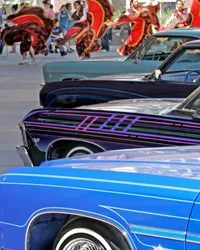
Forget the roar of a supercharged V8 engine or the tire-tearing grip on the drag strip. When you go to a car show in East Los Angeles or the San Fernando Valley, you don’t go there for the horsepower. You are here to learn about hydraulics. More precisely, we are ready to understand the art of making a car bajito y suavecito , that is, low and slow.
This is not just an aesthetic choice. It was a cultural statement born out of California’s Chicano community in the 1930s. While hot rod culture was obsessed with speed and competition, the early lowriders (often called “pachucos” by their peers) wanted something completely different. They don’t want to win the game. They want to cruise. They want style. They want comfort.
The philosophy is simple, but demanding. The real appeal of lowriders is not their speed, but how gracefully they sit. This means turning old, often mass-produced, vehicles into rolling sculptures. We’re talking a dramatic suspension drop, custom bodywork like fender skirts, a lowered roofline, and deep paint that looks like liquid glass. Inside, the focus is on plush seats and a sound system that shakes your chest without moving the vehicle.
This subculture did not emerge out of nowhere. This was a direct response to the big car trends of the time. Immigrant and working-class families buy older Chevrolets and other American sedans. Instead of converting it for the lane, we modified it for the street. The goal was to turn heads. The goal was to look good while meeting girls. The goal is to establish an identity in a society that often tries to eliminate it.
The original desire to impress evolved into an enduring style that still influences production cars today. It is a testament to the fact that customization is not just about engineering. It’s all about expression.
Here are the roots of the style, starting with the era-defining classics.
10: 1939 Chevrolet
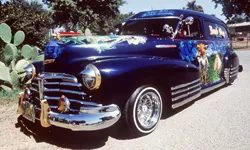
Before the chrome and hydraulic luxury of the 1950s and 1960s, there were pre-war sedans. The 1939 Chevrolet is an excellent example of the raw materials the early Pachucos used to create their dream cars. By modern standards these are not high performance machines. They were sturdy, boxy, and readily available.
For lowrider pioneers in ’39 Chevrolet didn’t care about stock specs. It was about potential. A flat roofline makes it easier to lower the vehicle. The sturdy frame construction withstands the stress caused by custom manufacturing. Simple, elegant lines provide the perfect canvas for deep, glossy paint.
The car represented the humble beginnings of a movement that would eventually dominate California street culture. It wasn’t flashy at first. It’s just a car, lowered just a few inches, painted dark blue or black, driving slowly and confidently down Sunset Boulevard. That was enough. That was everything.
Chevrolet’s advantage in the budget car segment goes beyond brand loyalty. In the 1930s and 1940s, they were cheaper than Fords. This price point made them accessible to Mexican immigrant communities and laid the foundation for their culture.
But this is not just an economic issue. Its design fascinated people. By 1939, many Pachucos considered the Chevrolet to be the pinnacle of automotive style. The rear slope is sweet, making it both aggressive and elegant. The grill is clean and noticeable. Fenders add volume without looking cluttered. This is exactly the aesthetic that lowriders are looking for.
Then there was the suspension. Chevy setups is simple and can be customized. You can lower the height of the vehicle to keep them drivable.
Much of what was built in 1939 is now gone. Rust and time took their toll. But that spirit lives on in cars like Joel Garcia’s 1939 Ford Master Deluxe. It was published in Lowrider magazine as “Precioso”, which means “precious”. The name is perfect.
Joel added a modern technology that the original builders never dreamed of: air suspension. We are not talking about safety equipment that is put into use in the event of an accident. These are chassis airbags. Drivers can raise and lower the car at the push of a button.
Let’s think about this change. Early lowriders had sandbags in their trunks to adjust the ride height. This is a manual. It’s very messy. This is work. Now all you have to do is press a button. In 1939, Chevrolet evolved from a sand-weighted clunker into a high-tech machine.
Why the 1939 Chevrolet was the entry-level lowrider
Choosing a car is not random. It is a mixture of cost, beauty and mechanical simplicity.
Affordable price
Chevrolet competes with lower prices than rivals such as Ford. Lowering entry costs means more families can afford new cars. More new cars means more potential manufacturers. The cultural momentum starts there.
design charm
The 1939 model stood out. The slope of the back cover is clearly visible. The wide and clean grille attracts attention. The flared fenders give you a sense of power even before you turn the key. Pachucos recognized a winner when they saw one.
Modifiability
Lowriding requires dropping the frame. The Chevrolet suspension is solid and adaptive. Builders can cut, weld and make adjustments without fighting the factory design. The stance was achievable.
Modern Interpretation: “Precioso” by Joel Garcia.
Joel Garcia’s project shows how this culture has matured. He started 1939 with a Ford Master Deluxe instead of a Chevrolet, but the spirit remained the same. The car looks pristine. The paint is flawless. The position is also perfect.
What is the biggest difference? Technology.
The original builders used sandbags. Awkward, tricky, imprecise. If you needed to hit a curb, dump the sand. If you want to look good, you carry a heavy burden.
Modern airbags solve all these problems.
- Adjustability: Raise the car to cope with speed bumps. Lower it for the streets.
- Controls: Compressor and controller work. No manual
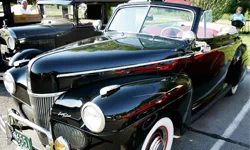
Chevrolet rules the town. That’s what the history books say. But the streets are chaotic, and Ford certainly was at some point. Getting there requires extensive mechanical surgery.
For decades, Ford was ignored by low-travelers. Either way, it’s more expensive than the Chevrolet. But the real killer is the bumper. Chevrolet bumpers are flat. clean lines. Throw the frame on the tarmac and the chrome still looks new. Ford bumper? There is a bulge in the middle. If you drop a 1930s Ford, that overhang becomes an anchor to the ground. I’ll drag you. I got hurt. It ruins the mood.
Therefore, if you want to lower the ride height of your Ford in the initial stages, you will need to replace the bumper. This is not a quick fix. The prices are very expensive. You need to find a rare spare part. It’s an extra hassle for the public, who have to work hard to keep their cars running. Most people prefer the Chevrolet route.
Then came 1941.
Ford changed the model. The unevenness in the middle has disappeared. The bumper is flat. Suddenly the lowered Ford was no longer in danger of being scratched. This is a viable option.
However, design is not the only factor. The economy is experiencing dramatic changes. In 1942, the production of American cars was stopped. The war machine takes over. Factories stopped making cars and started making tanks. After the war, soldiers with pockets full of cash wanted to own bikes. They flood the market with new cars.
This had an unexpected effect on the used car market. This does not mean that used cars will disappear. The 1941 model just rolled off the production line before production was discontinued and entered the retail channel in large numbers. Prices fell. Once a luxury item, the 1941 Ford is now a project car within the reach of the average pachuco.
Check out Joe Moran’s 1941 Ford Custom. This is a modern example of a window of opportunity. Pearlescent paint. Its stance is so low it looks like it’s been sitting in the dirt for years. Also includes the original hand crank. It wouldn’t start because the battery was dead. You started it.
This was a reward for those who wanted to overcome the huge inequality and post-war economic restructuring. They recognized Ford for what he was. Once the geometry is worked out, it’s a cheaper and smoother option.
8: Mercury 8, 1950

You don’t need a blue oval or a bowtie to make a reliable lowrider. In the 70s and 80s, this cultural explosion surpassed these two giants. Builders are starting to look back. We especially focused on the 50s.
The 1950 Mercury 8 changed the game. Steve Gonzalez put it on the Southern California map. He just doesn’t drive. he showed it to me. His influence gave Eight Piece a great stage presence.
Why the 1950 Mercury 8 rules the lowrider charts
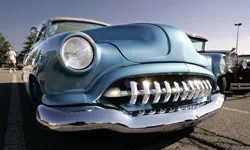
Eight has a unique silhouette that suits the hydraulic dance. Wheel flanges are key. They don’t just sit in the wheelhouse. It extends directly from the front fender to the door. This creates a continuous, even line. Even though the car is stationary, it looks fast.
Most lowriders of the time had large grilles. Mercury is different. The front end is less aggressive. But it’s complicated. If you chrome it properly and polish it to a mirror finish, the light hits it differently. He makes a quiet but serious statement.
A fusion of luxurious interior design and hydraulic culture
Lowriding is not just about posture. It’s about in-flight experience. Eight have a large interior. Factory seats are huge. There is plenty of headroom. This makes it an ideal platform for customizing your interior.
Builders can install luxurious fabrics without restricting passengers. Now it’s a lounge on wheels. This comfort is perfect for cruising. It’s not just about showing off under the streetlight. You did it in style.
1950 Mercury 8: Adaptation Case
How did this car become the center of lowrider history?Steve Gonzalez proved he could handle hydraulics. The body structure lasted. This style allows for modifications that other cars cannot easily support.
The connection between the fender and the door horn is unique in this model. Simplify the car body structure. Reduces the need for excessive surgeries. For builders, efficiency is key. For the viewers, this is art.
7: Chevrolet Impala

You can’t talk about culture without driving a Chevrolet Impala. This is the basics. Production of the program began in 1958 and continued after a hiatus in the late 1980s and early 1990s. It’s still easy to find survivors of custom builds since they were common in the 1950s, 1960s, and 1970s. The 1960s model in particular is considered by many to be the ultimate lowrider canvas.
Diagonal Cruise and Southern Cruise
Look at lowriders in their 40s or 50s. They are all curves. Flowing fenders. Soft edges. The Impala breaks that mold. It’s crooked. Settled. Its geometric patterns are brutal.
Body selection is important. coupe. convertible. The latter imprints a certain aesthetic on the scene. Lowriding is concentrated in Southern California and the Southwest. Whether you’re driving the Pacific Coast Highway or weaving in and out of San Diego traffic, you need a car that breathes. A compact convertible is more than just a style choice. This is the reality of our climate and culture.
Steel sheet painting, hydraulic lifting
Builders often keep sheet metal in stock. They don’t want to wait in line. Highlight them instead. The focus is on painting. Bright colors. metal flakes. The pearl finish changes under the influence of sunlight. The goal is to make the existing body work, not reinvent it.
The real planning happens below. The Impala frame is strong and durable. You might get hit. This makes it an ideal platform for dancing.
“The suspension needs more work. The Impala is a solid car, so it’s great for dancing.”
Dance is more than just bouncing. This is accuracy. The hydraulic system or air bladder must be adjusted to a certain pressure level. The car jumped up and down. It makes me jump. It depends on the attitude. It’s not just driving. you drive You perform on four wheels.
6: 1965 Buick Riviera
The story goes beyond General Motors. Take a ride in the 1965 Buick Riviera.
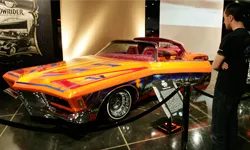
Luxury car option: Buick Riviera
If the Impala is your default choice, the Buick Riviera is a great choice for lowriders looking for a different vibe. It’s not just about looking cool. It’s about status. The Riviera will be launched as a luxury personal coupé, making it the best choice for a cruising strip. You want to show that you had your stuff together. The interior is already luxurious, so builders can skip major structural work and focus on custom sound systems, unique fabrics and style.
But beyond the badges, there are mechanical reasons why these cars stand out. The Riviera was designed to be lighter than other Buicks of its time. But it still features the same powertrain. This weight-to-power ratio provides excellent performance. Most lowriders don’t prioritize speed over style, but having a car that drives really well can be an advantage. It’s not a drag racer, but it’s not a boat either.
The development of design in the 1970s took things in a bold direction. Early models were very conventional and followed the lines of traditional American sedans. However, in the 70s, Buick introduced the boattail style. This feature combines a slanted rear window with angular sheet metal bulges. The result looked like the underside of a vessel. The stylish and unique design makes it easy to spot in the parking lot. The low rider silhouette is solid gold.
5: 1950s Chevrolet truck
The move to trucks marked the transition from the sedan dominance of the 1950s to the pickup culture that would define the next decade.
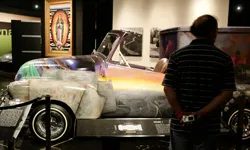
Lowrider Truck: bed like canvas
Think this culture is limited to sedans? Think again. Lowrider trucks are plentiful, especially for Chevrolet owners who love the 50s models.
This is not your average lift kit situation. Most modern custom trucks sit higher to handle mud and rocks. Lowriders are the opposite. They lowered the suspension until the frame almost touched the pavement.
This prevents the truck from working for its intended purpose. Hard outdoor work? Forget it. No more gravel or wood.
However, failure can also create opportunities. Since the truck is no longer a workhorse, the bed is prime real estate.
Lowrider’s custom bed makes a statement. You won’t find rugged bedliners here. Instead, look for polished wood floors. Or chrome. Some owners fill their beds with subwoofers and high-end speaker systems.
To keep the lines clean, a tonneau cover is standard equipment. It hides the bed and gives your truck a sleek, perfect silhouette.
The interior tells a different story. In the 1950s, Chevrolet cabs were small and cleanly functional. You can’t compete with the plush, lounge-like interior of a full-size lowrider sedan. But that doesn’t mean they are naked.
The owners have decorated the cabin with bright fabrics and unique finishes. It’s a compromise, but it’s stylish.
What about outside? Bright paint is king. The streets are full of colors you won’t see in a farm truck.
4: Lincoln Continental
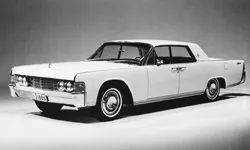
If the pickup trucks of the 1950s were rough and devoid of comfort, the Lincoln Continental combined lowrider culture with pure luxury. It’s more than just a car. This is a statement. When enthusiasts want to flaunt serious wealth and style, they don’t go compact. They love Lincolns, especially the third and fourth generation Lincolns that ruled the streets in the 1960s and 1970s.
The first thing you notice is how big the vehicle is. It’s huge. The front end features a bold vertical grille, which most owners decorate with shiny chrome. Behind it, an extended hood leads to a huge cockpit. It features a four-door design, rear-hinged rear doors and no B-pillar, creating an open and airy interior feel. The aft deck is equally large, long enough to make an old world crime boss scream.
Why do lowriders like Continentals? Because size creates an immediate impression. The interiors are spacious enough for long, relaxing cruises without feeling cramped. Lowering the suspension makes the car look longer and glide down the pavement like a ghost. The lines of the frame are relatively clean, so there is not much space left for decorating the frame apart from the grille. This way, the focus onto the wheels. The big, shiny wheels stand out against the vast sheets of metal.
Painting options vary. Some owners opt for pastel colors and accents with intricate striping. Others made thorough use of the wild, bright colors typical of this culture, ensuring that the Continental was an eye-catcher even before it stopped. It’s about presence.
3: 1984 Buick Regal
Lowriders are more than just bringing back 1950s chrome or tweaking 1960s lines. The scene has evolved. Modern platforms also have hydraulic handling.
Let’s take the second generation Buick Regal as an example. This car was produced from 1978 and 1987. The long production period led to a large number of reasonably priced cars. It is well received by customizers. Parts are cheap. You can easily find alternatives.
The aesthetic change is obvious. The old lowriders from the 1940s and 1950s were round. Think curves and smooth lines. Is it a 1960s model? They are angular. sharp edges. The Regal sits in between. It is a coupe with a flat and square body. It doesn’t have the aggressiveness of the Impala SS. The chrome strip does not need to be polished.
This simplicity is its strength. The Regal acts as a blank canvas. Aftermarket parts can steal the show.
Why the Buick Regal is a lowrider workhorse
The Customizers hit the wheels first. Gorgeous custom wheels are standard. Some builders go even further. They hit the engine bay. Chrome plating. Gold plated components. The engine will be a gem.
Interior design is also important. Although the coupe has a stylish exterior, it is spacious inside. Builders installed crushed velvet or velor seating surfaces. Power is not negotiable. A solid stereo system is essential.
Next is the Continental series. This adds a spare tire to the rear deck. It is located just above the bumper. The tires have also been treated in the same way as the rims. It looks like there are gems on the back.
The second-generation Buick Regal’s low-profile body is the perfect platform for major aftermarket modifications.
2: Chevrolet Monte Carlo
The Chevrolet Monte Carlo was introduced in 1970. It replaced the Chevelle Laguna in the Chevrolet lineup. The first generation lasted until 1977, and the second generation took over from 1978 to 1987. This is from the same era as the Buick Regal.
These two cars are cousins. They share a GM A-body platform. The Monte Carlo is positioned as a personal luxury coupe. It competes directly with the Ford Thunderbird.
Lowrider builders flocked to the second-generation Monte Carlo for the same reasons as the Regal. The body is large. It has a unique square shape. It’s not as rounded as the 50s classics. Not as sharp as the muscles of the 60s.
Monte Carlo offers a wide stance. This makes it hydraulically stable. Builders often lower the car until the fenders touch the tires.
Interior changes reflect Buick trends. Velvet upholstery. Custom dashboard. Top class sound system. The Monte Carlo’s spacious interior allows for more complex setups.
Wheels are important. Large multi-spoke wheels fill the wheel wells. Some builders add wire wheels for a vintage look. Others stick with polished aluminum.
Monte Carlo also benefits from a massive parts ecosystem. General Motors produced millions of these cars. Finding the stock panels is easy. In our selection you will also find a wide selection of aftermarket suspension parts. this

Monte Carlo lowrider charm
If you go to a car show and see Monte Carlo, don’t be fooled by its suburban feel. This Chevrolet was a staple of the lowrider scene of the 1970s and 1980s. It shares a platform with the Buick Regal, but many builders skipped the Buick badge. Money is important. Monte Carlo’s are generally cheaper to buy than Regals and can save you money on paint and hydraulics.
The interior is nothing special, but the exterior lines are. The model we are talking about here is the fourth generation, produced between 1981 and 1988. These cars have a softer body and integrated bumpers. That design choice is huge for customizers. A continuous flow is created, looks like the metal was carved from a single block. Lowriders love this seamless aesthetic. This is a blank canvas. Like the Regal, the Monte Carlo also has custom wheels.
Then there’s the name. Monte Carlo. It exudes elegance. Intrigue. gambling. Builders use these images to theme their cars. You can see that the pinstripes look like casino chips. Tailored fabrics create a luxurious atmosphere. Wheels chosen to match the high-stakes vibe. This is more than just a car. This is a statement.
2007 Toyota Camry

I thought lowriders were just American V8 engines and chrome bumpers. Wrong. This culture spread around the world. Japan adopted this aesthetic and naturally Toyota decided to adopt it as well. To commemorate the company’s 50th anniversary in the US, it doesn’t just mean adding a badge to its sedan. They commissioned Lowrider Magazine to build a custom 2007 Toyota Camry. This is not a retailer promotion. This is a statement.
As a result, industry insiders refer to it as the “Camryder”. Bright orange paint. Two-tone interior. The suspension lowers until the rocker panel touches the pavement. It is very different from the original commuter vehicle.
Import Lowriding Culture
Japanese imports are finally starting to get some real respect in the lowrider world. For decades these cars have been tuned for lap times, not curb appeal. Japanese lowriding is a different matter though. It’s about presence. Sound. Luxury.
Chassis kits alone are not enough to turn a basic Camry into a cruiser. complete interior overhaul The basic cloth seats were replaced with custom upholstery. The dashboard has been renewed. The focus has shifted from highway efficiency to street superiority.
Main features of imported lowriders
If you’re looking to customize your import, here’s the difference between a street racer and a true lowrider.
- Custom Upholstery: Leather or premium synthetic materials replace the factory fabric.
- Modified seat and dashboard: Adapted to fit the lowered frame and improve comfort.
- Gorgeous wheels: Large rims that complement the lines of your body.
- In-the-Dirt Stance: The wheels are pushed into the wheel wells. the smallest gap. maximum aggression.
It doesn’t matter how fast you go. It’s all about how low you sit.
Why this is important
This build shows that culture is not static. Toyota doesn’t just celebrate anniversaries. They validated the import community. The 2007 Toyota Camry lowrider proves that any car can be a platform for expression.
“Lowriding an import means adding a lot of audio equipment and changing the interior from a basic commuting car to a luxury cruiser.”
The line between performance and aesthetic mods is blurring. Camryder is alone for now. A bright orange anomaly. This shows how widespread this movement is.
What next for Japanese lowriders? The community is growing. The builds are becoming more and more complex. But the basic principles remain. Stay low. Look good. Drive slow.
The sources for this publication is archived in the November 2009 issue of Lowrider Magazine. The article “Camryder: 2007 Toyota Camry” by Saul Vargas is the primary reference. Dive deeper into history through the magazine’s archives and check out other vehicles like the ’65 Buick Riviera and the ’59 Chevrolet Impala.
This is a niche scene. But it’s vibrant. it’s here to stay.