


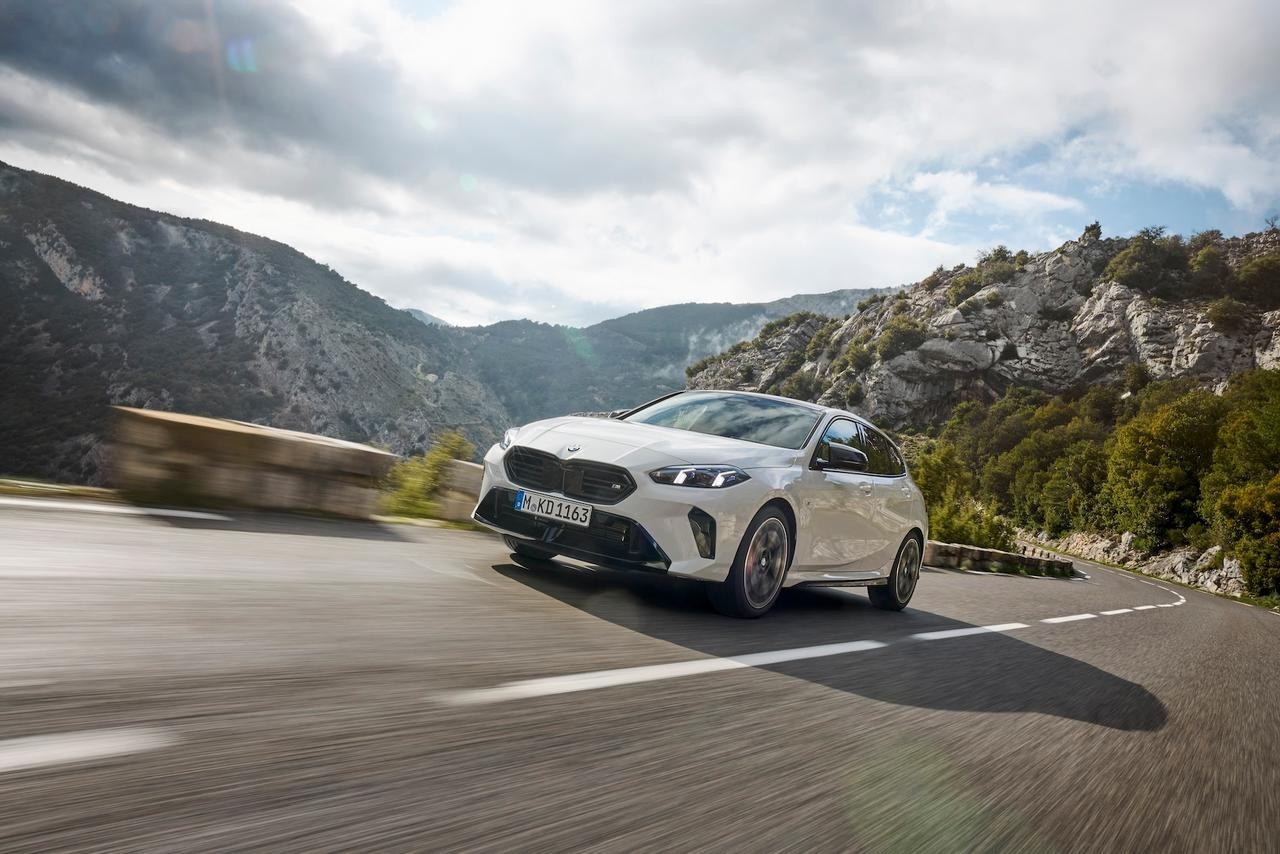
The BMW Series 1 has been a huge hit since its launch. Your gateway to the world of German marque. The formula is simple. Balance performance with compact size. It works. New generations do not reinvent the wheel. The core values that made this model popular are maintained. Then add new technology to enhance your experience.
This is not just an incremental update. It’s a refinement of a winning blueprint. It’s aimed at buyers who want BMW DNA without the bulk of the 3 Series or X1. The compact segment is crowded. However, Series 1 holds true.
Why? Because it offers driving dynamics suitable for city parking. The engineering prioritizes agility. The interior emphasizes driver-oriented control. The technology layer is modern, but not bloated. It’s about getting the essentials right. BMW does this consistently.
The result is a car that appeals to enthusiasts who value handling over cargo space. It also attracts those looking for prestige without paying the luxury tax. The addition of new technology (possibly advanced driver assistance and connectivity features) will help it compete with rivals such as the Mercedes A-Class and Audi A3. But the soul is still BMW.
Diesel Hybrid Gamble
Most manufacturers have given up on the development of diesel passenger cars. BMW didn’t. They kept it. But they changed the rules.
The new BMW Series 1 presents a version that challenges current industry trends. It combines a diesel engine and a 48-volt mild hybrid system. This is not an all-electric powertrain. It’s subtle. Strategic.
“This bold choice is in line with BMW’s strategy to reduce the environmental footprint of its vehicles while maintaining powerful, fuel-efficient diesel engines.”
Why diesel? Why now? The logic is cold and calculated. A diesel engine produces torque. It offers range. However, it struggles with its efficiency in stop-and-go traffic in urban areas. The 48-volt system bridges that gap. It recovers energy during braking. It assists acceleration. It allows for coasting. The result is lower emissions without compromising the diesel character enthusiasts still long for.
This does not mean going completely green. It’s all about optimizing the existing tech stack. BMW wants to increase the efficiency of electrification without losing the mechanical soul of the internal combustion engine. For now, this is a viable path.
Why the 120d diesel hybrid is important for city driving
120d is more than just changing the badge. This is a special kind of mechanical marriage. Under the hood is a four-cylinder diesel engine that produces 163 horsepower. The electric motor is next to it. This setting is not just for demonstration. The goal is efficiency. Throttle response has also improved. Manufacturers like Renault have already achieved this with the Symbioz and Clio 5. BMW now applies the same logic here.
The results are measurable. The 120d accelerates from 0-100 km/h in just 7.9 seconds. It’s quick for a compact luxury hatchback. The gearbox is a 7-speed Steptronic automatic. Handle the power supply without hesitation.
If you want to buy one, prices start at 41,500 euros. It’s not cheap. However, you pay for the combination of torque transfer and emissions reduction.
Premium cabin
External updates are nice. The changes really happen indoors. BMW redid the layout. The materials feel expensive. Leather and soft-touch plastics dominate. It’s a given in this class, but they pulled it off.
Technology is the real story. In front of the driver is a 10.25-inch digital instrument cluster. Next to it is a 10.7-inch touchscreen. They use BMW iDrive. The new QuickSelect feature cuts through the menu clutter. No more digging through layer by layer.
Voice commands also work better. The system can recognize more natural expressions. This reduces distractions. You keep your eyes on the road.
M135 xDrive Performance Benchmark
Not everyone wants the efficiency of a hybrid. Some people are looking for brute force. Enter the M135 xDrive.
Hybrid Assist is omitted from this model. It was replaced by a 300 horsepower four-cylinder engine. This is not a V8. It doesn’t sound like one either. But it works.
The xDrive system sends power to all four wheels. It’s not just about grip. It’s for traction. Launch control becomes viable. The car feels planted. It doesn’t spin its wheels. It shoots forward.
Which version is suitable for daily driving?
Your choice depends on your mileage. If you drive long distances on the highway, a diesel hybrid makes sense. Electric motors fill this gap. Fuel consumption is reduced. Emissions are still low.
If you mainly do city or weekend driving, the petrol or M Performance versions may be a better choice. The 120d has limited electric range. It’s not a plug-in hybrid with a 50km electric range. It is a mild hybrid. Useful. It does not replace the engine.
So why pay a premium? You get the 0-100 time. You get a sophisticated cabin. You get the tech. You get a car that feels faster than the numbers suggest.
Steering is light. The suspension is solid. It doesn’t float. It stays flat even around corners. Is this a driver’s car? Mostly. But it’s also practical.
The price tag doesn’t tell the whole story. The price of the M135 xDrive is higher. 120d is in between. The petrol model is
Technology that really moves you
The new 1 Series offers no compromises in terms of safety and everyday comfort. It’s loaded with driving aids that make it feel more like a necessary co-driver than a gimmicks. Standard equipment includes the Driving Assistant package. Get lane departure warning and traffic sign recognition right away. No opt-in required.
But if you want your car to think for itself, consider optional upgrades. Driving Assistant Plus takes the wheel a bit further. Offers semi-autonomous driving features on supported roads. And we have a Parking Assistant Professional. This doesn’t just help with parallel parking. It also supports fully automatic parking. You sit back. While waiting, the car maneuvers itself into tight spots.
“Moving from assistance to automation changes the way you experience the cockpit.”
It’s more than just checking a box in the specs. This is to reduce driver fatigue during long commutes and reduce stress on narrow city streets. The equipment is there. The software will determine how much help you really need.


