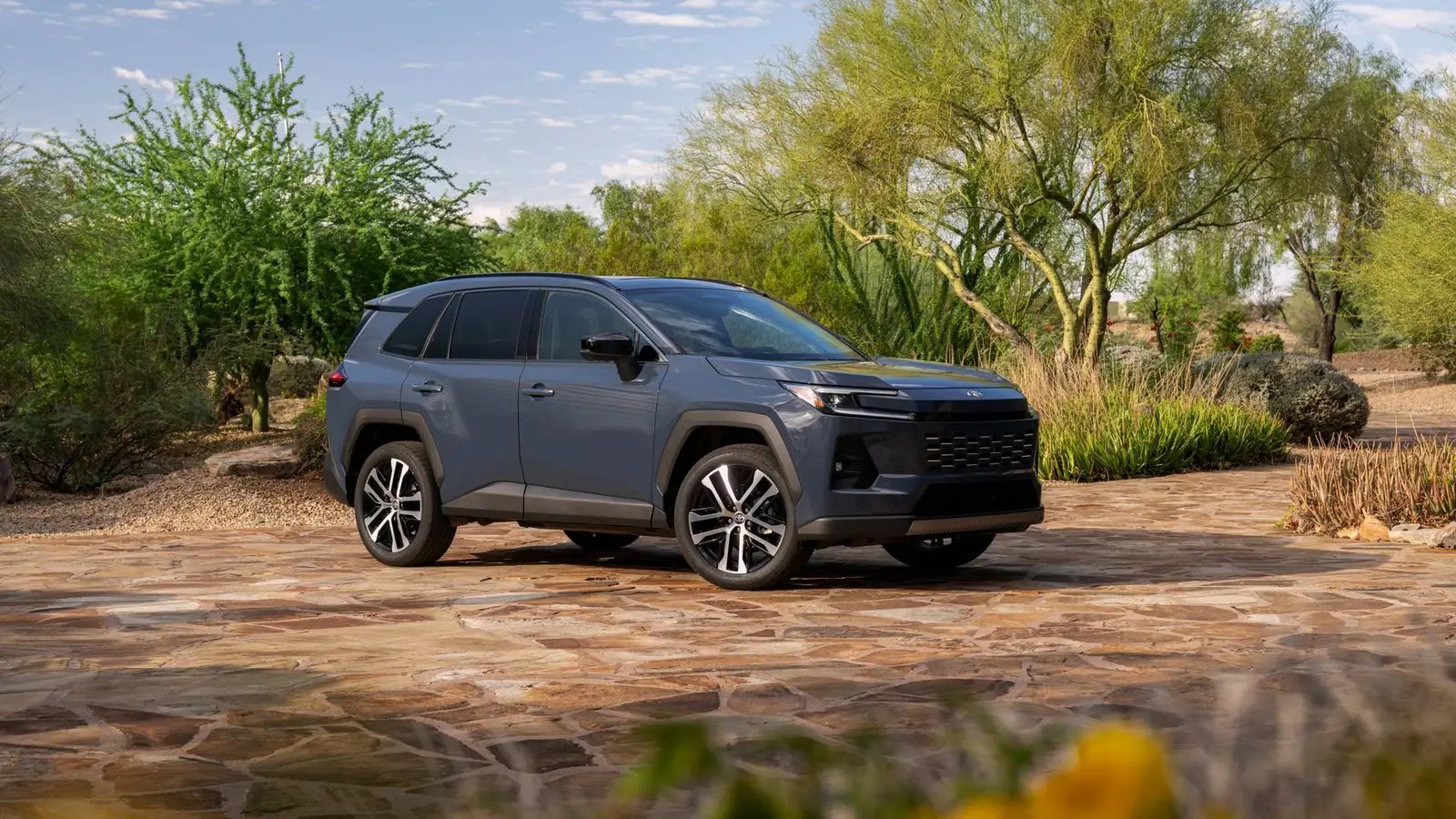
As hybrid vehicle demand reaches new heights in 2026, many consumers are looking beyond the initial sticker price to understand the long-term economics of ownership. While hybrid electric vehicles (HEVs) are renowned for their durability, the battery remains a critical variable in their lifecycle.
For owners of the 2026 Toyota RAV4 Hybrid, understanding the costs, symptoms of wear, and warranty protections is essential for effective long-term budgeting.
The Lifecycle of a Hybrid Battery
Hybrid systems are generally more robust than traditional internal combustion engine (ICE) vehicles. Because the electric motor shares the driving load, the engine experiences less stress, often leading to increased powertrain longevity. However, the battery pack is a consumable component.
Over time, the lithium-ion or nickel-metal hydride cells undergo chemical degradation. This is driven by:
* Repeated Charge Cycles: The constant discharging and recharging required for hybrid operation.
* Environmental Factors: High operating temperatures can accelerate electrolyte breakdown.
* Driving Habits: Aggressive acceleration and frequent deep discharges put additional strain on the cells.
Typically, after reaching the 200,000-mile threshold, a hybrid battery may lose between 20% and 30% of its original capacity.
Replacement Costs: New vs. Refurbished
When a battery reaches the end of its functional life, owners face a significant but manageable expense. For a 2026 RAV4 Hybrid, the estimated costs are:
- New Lithium-Ion Pack: $3,000 – $8,000
- Refurbished Pack: $1,500 – $3,500
Note: While refurbished options are more budget-friendly, they generally offer a shorter lifespan and lower reliability compared to new units.
Warning Signs of Battery Failure
If your battery is degrading, you will likely notice two primary symptoms:
1. Decreased Fuel Economy: As the battery loses capacity, the gasoline engine must work harder to compensate, erasing the hybrid’s efficiency benefits.
2. Reduced Performance: You may experience inconsistent or sluggish acceleration due to diminished power output from the electrical system.
Toyota’s Warranty and Maintenance Safety Net
Toyota mitigates these long-term risks through industry-leading warranty coverage. For the 2026 RAV4, the protections include:
- Hybrid Battery Warranty: 10 years or 150,000 miles.
- Hybrid System Components: 8 years or 100,000 miles (covering items like the inverter and control modules).
- Powertrain Warranty: 5 years or 60,000 miles.
- Basic Warranty: 3 years or 36,000 miles.
Additionally, the ToyotaCare program covers factory-scheduled maintenance for the first two years or 25,000 miles, helping to keep the vehicle in peak condition during its early life.
Performance and Efficiency Overview
The 2026 RAV4 lineup is exclusively hybrid, utilizing Toyota’s fifth-generation HEV system. This system balances power and efficiency across different configurations:
| Model Configuration | Estimated MPG (City/Hwy/Combined) | Horsepower |
|---|---|---|
| Front-Wheel Drive (FWD) | 49 / 42 / 45 | 226 hp |
| All-Wheel Drive (AWD) | 46 / 39 / 42 | 236 hp |
| Woodland Edition (AWD) | 41 / 35 / 38 | 236 hp |
| XSE Trim (AWD) | 43 / 37 / 41 | 236 hp |
The Bottom Line on Ownership
Data from various automotive analysts suggests that the RAV4 remains a highly reliable investment. iSeeCars gives the model an 8.7/10 reliability score, noting a high probability of reaching the 200,000-mile mark. Furthermore, CarEdge estimates that maintenance and repairs will cost approximately $6,005 over the first 10 years—a figure bolstered by the vehicle’s strong resale value and proven mechanical history.
While battery replacement is a significant milestone in a hybrid’s life, Toyota’s extensive warranty coverage and the declining cost of battery technology make the RAV4 a predictable and cost-effective choice for long-term owners.
Conclusion: The 2026 Toyota RAV4 Hybrid offers a balance of high efficiency and robust warranty protection, making the eventual cost of battery replacement a manageable part of a highly reliable ownership experience.