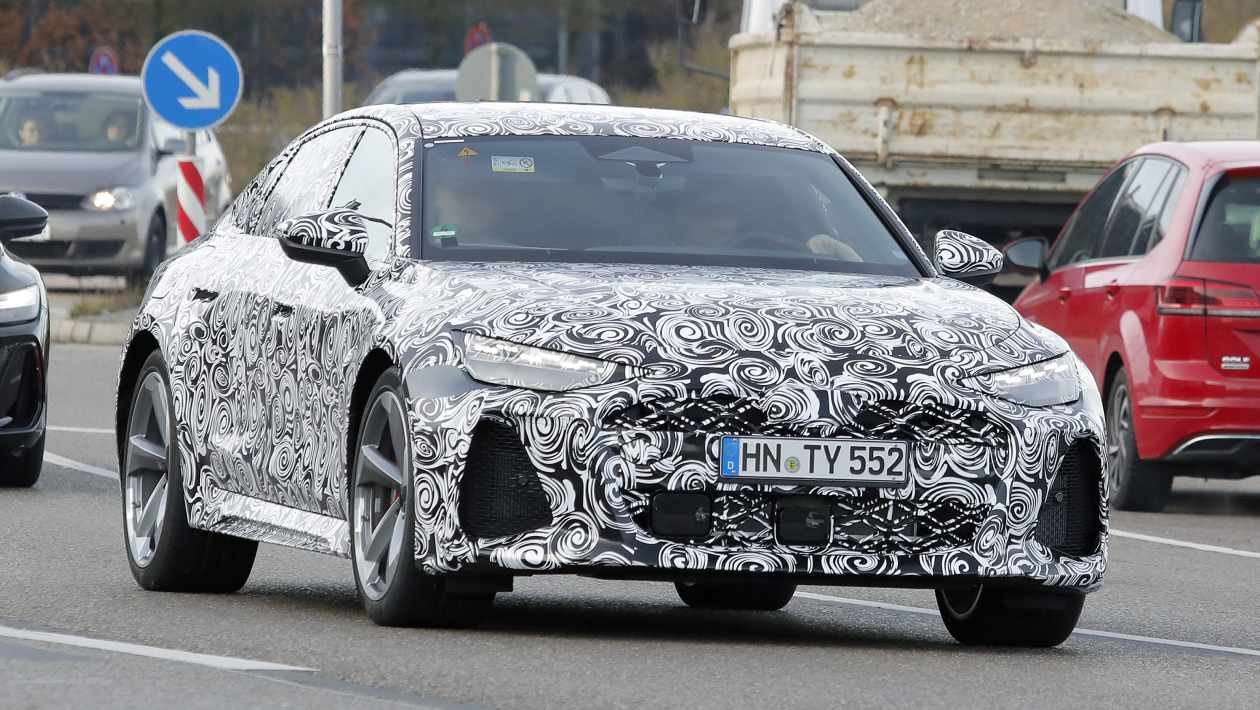
Audi will revive the high-performance RS 6 saloon as part of its next-generation A6 lineup, confirmed by recent spy shots. This marks the first time the model will be offered alongside the Avant estate since the C6 generation was discontinued in 2010. The decision reflects shifting market demands and a strategic realignment within Audi’s performance division.
Market Dynamics and Model Strategy
The return of the RS 6 saloon comes as Audi prepares a new range of plug-in hybrid RS models, starting with the RS 5 next year, followed by the RS 6 in late 2026 or early 2027. The move is partly driven by the decision not to renew the Audi A7 Sportback, which previously fulfilled the demand for a large four-door RS model. Globally, the saloon body style remains more popular than the Avant, particularly outside of Europe.
Design and Performance Upgrades
Early prototypes reveal a significantly wider body compared to the standard A6 saloon, giving the car a more aggressive stance. Larger wheels, potentially retaining the existing 22-inch designs, are also expected. The test car features carbon-ceramic brakes and advanced suspension technology, including air suspension, rear-wheel steering, and an updated generation of Audi’s cross-linked hydraulic dampers.
The design will maintain the aggressive aesthetic of previous models, with large air intakes dominating the front end to feed the powertrain. A small ducktail spoiler on the bootlid enhances aerodynamics and balances the rear bumper design, which integrates a large diffuser section and closely spaced exhaust outlets due to the complex exhaust system.
Powertrain Uncertainties
The exact powertrain remains unconfirmed. Initial speculation favored a V6-based plug-in hybrid system, similar to the upcoming RS 5. However, Audi’s EV plans have undergone revisions. The previously planned all-electric RS 6 e-tron has been scrapped in its original form.
Market Competition and Strategy Shift
Recent sales data suggests that downsizing hybrid models, such as those considered by AMG, have not performed as well as expected. Conversely, BMW’s plug-in hybrid V8-powered M5 has seen strong sales, particularly in the touring variant, directly challenging Audi’s dominance in the high-performance estate market.
This competitive landscape has prompted Audi to reconsider its powertrain strategy for the RS 6. The decision to retain a V8 option, rather than exclusively relying on a smaller engine, may be influenced by the M5’s success and the need to maintain a competitive edge in the ultra-high-performance segment.
The revival of the RS 6 saloon reflects a dynamic shift in Audi’s performance strategy, driven by market demands, competitive pressures, and evolving powertrain technologies. The model’s return underscores Audi’s commitment to delivering high-performance vehicles that meet the diverse preferences of its global customer base