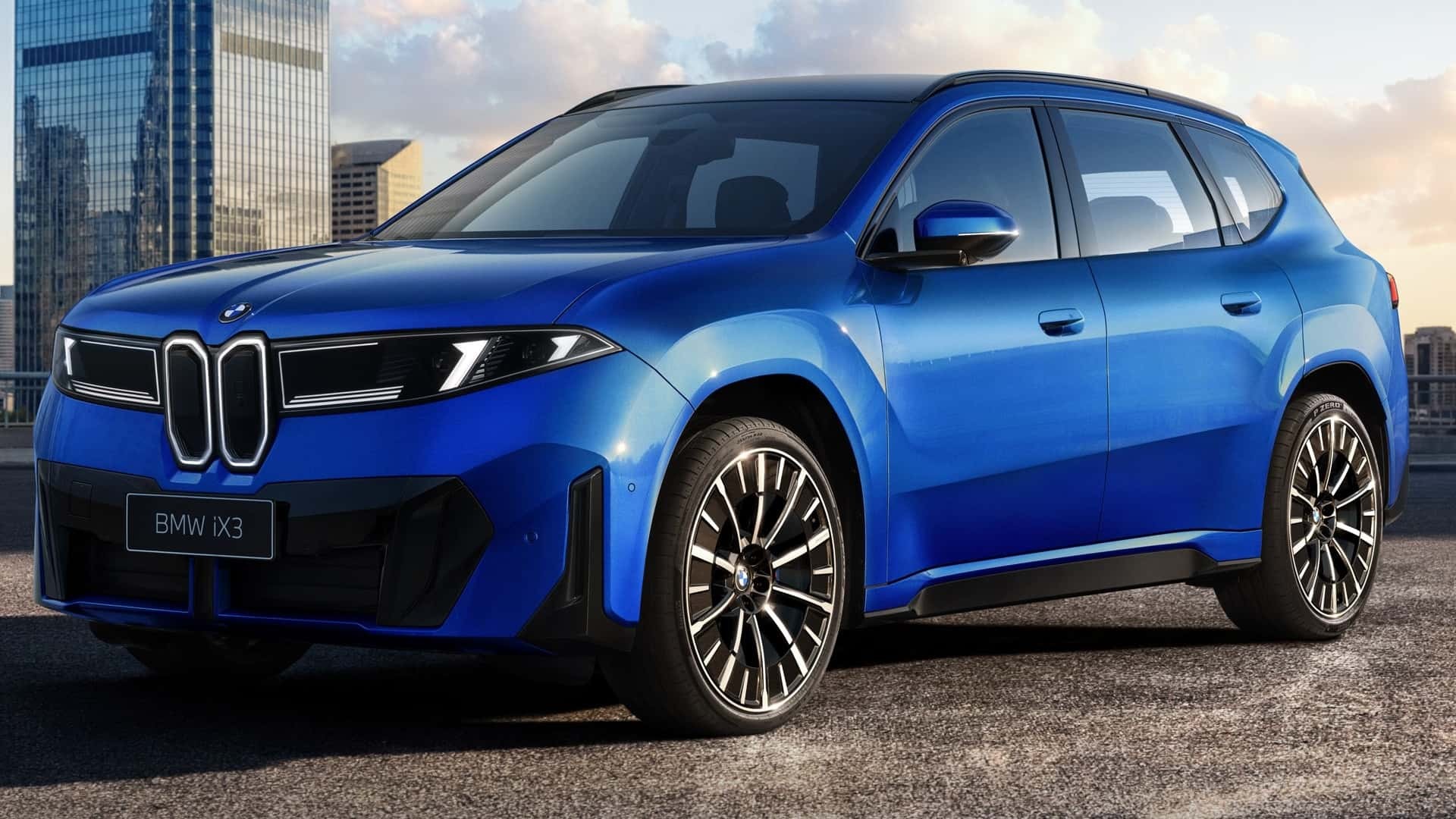
The BMW iX3, a popular electric SUV, will be sold with altered door handles in China due to upcoming safety regulations. The long-wheelbase version, designed specifically for the Chinese market (and also intended for India, Thailand, Indonesia, and Malaysia), will feature traditional pull-up handles instead of the flush, pop-out design seen in the global model.
New Regulations Drive Design Change
Starting January 1, 2027, new vehicles in China must comply with regulations that effectively ban flush door handles. Existing models approved before that date have until January 1, 2029, to adjust. BMW is preemptively implementing the change on its long-wheelbase iX3, which will debut at the Beijing Auto Show next month. The decision avoids a future retrofit and ensures compliance from launch.
The switch reflects a broader trend: China is increasingly prioritizing vehicle safety standards, sometimes forcing automakers to adapt designs quickly. This impacts not only BMW but any company selling vehicles in the region.
Key Differences Between Versions
The Chinese iX3 differs from the global version in several ways:
- Door Handles: Traditional pull-up design replacing the flush handles.
- Wheelbase: Extended by 4.2 inches (108 millimeters) to 118.3 inches (3005 millimeters), offering more rear passenger space.
- Camera Integration: A roof-mounted camera is included for advanced driver-assistance systems (ADAS) developed with Chinese tech firm Momenta.
- Range: Boasts a CLTC-rated range exceeding 559 miles (900 kilometers), though this figure is known to be optimistic compared to Western standards (WLTP, EPA).
- Charging: Supports 400-kW fast charging, adding over 249 miles (400 kilometers) of range in approximately 10 minutes.
Performance and Availability
The Chinese iX3 will initially offer a dual-motor configuration similar to the global model, delivering around 463 horsepower and 476 lb-ft of torque. It’s expected to weigh slightly more due to the extended wheelbase, potentially impacting acceleration (0-62 mph in approximately 4.9 seconds).
Deliveries are anticipated in the second half of 2026, with full details revealed at the Beijing Auto Show on April 24.
This last-minute change highlights how quickly automakers must adapt to evolving safety standards in major markets like China. The shift could also foreshadow similar updates for BMW’s upcoming long-wheelbase i3 sedan.
The decision by BMW to implement this change now, rather than waiting until 2029, suggests the company prioritizes market compliance and avoids future production complications. The move demonstrates the increasing influence of Chinese regulations on global automotive design.