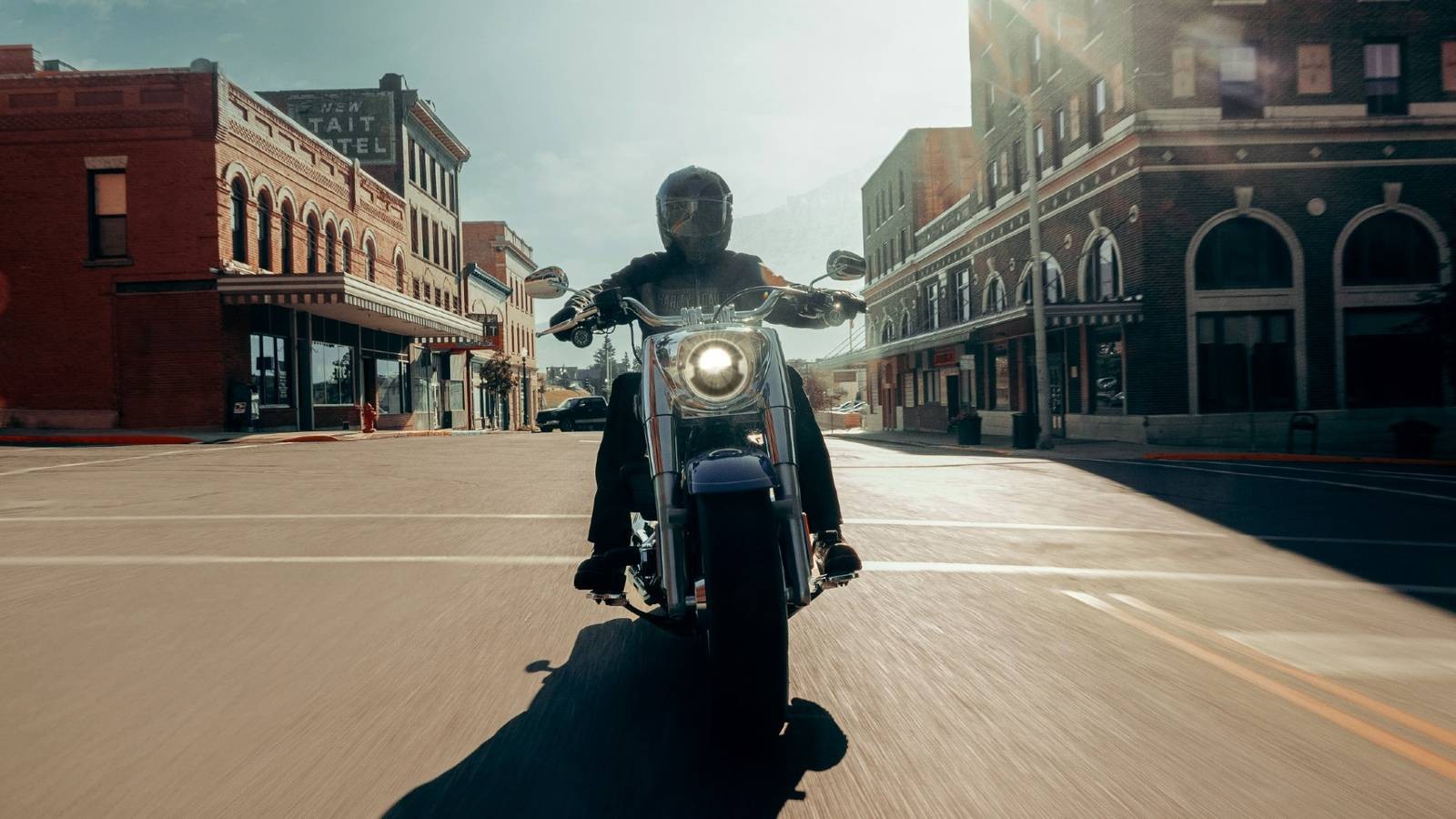
In the motorcycle industry, sales figures are a vital metric, but in the cruiser segment, they rarely tell the whole story. Unlike the sports bike or adventure motorcycle markets—where buyers are often driven by technical specifications, horsepower, and performance data—the cruiser market is fueled by something much more intangible: culture.
For cruiser riders, a motorcycle is not just a mode of transport; it is an expression of identity, heritage, and community. This emotional connection creates a level of brand loyalty that is difficult for competitors to breach, turning customers into lifelong advocates.
The Battle for the American Garage
The cruiser market is incredibly diverse, spanning from entry-level models like the Yamaha V-Star 250 (starting around $4,799) to high-end machines like the Triumph Rocket 3 (approximately $27,000). However, despite the influx of international competition, the landscape remains dominated by two American titans: Harley-Davidson and Indian Motorcycle.
While Indian Motorcycle boasts a longer history, having predating Harley-Davidson by two years, the two brands have taken vastly different paths. Harley-Davidson has maintained an unbroken production streak since 1903, surviving nearly every major economic downturn. This longevity has allowed the brand to weave itself into the fabric of American pop culture, becoming a symbol of freedom and rebellion in films and media.
The Icon: The Harley-Davidson Fat Boy
Within the vast Harley-Davidson catalog, one model stands out as a masterclass in brand building: the Fat Boy.
Since its debut in 1990, the Fat Boy has prioritized recognition over reinvention. Rather than chasing fleeting trends, it has maintained a consistent design language that riders have come to recognize instantly.
A Pop Culture Phenomenon
The Fat Boy’s status as a cultural icon was cemented in 1991 by its appearance in Terminator 2: Judgment Day. Featuring Arnold Schwarzenegger, the film introduced the bike’s muscular, “steamroller” aesthetic to a global audience, turning a motorcycle into a cinematic legend.
Three decades later, the 2026 Fat Boy remains true to that original DNA. While it has evolved technologically, its signature elements—solid disc wheels, a chrome nacelle, and a commanding, planted stance—remain intact.
Engineering the Experience: Power and Presence
The Fat Boy is designed for the “effortless cruise.” It isn’t built for racing; it is built for torque and presence.
- The Heart of the Beast: The 2026 model is powered by the Milwaukee-Eight 117 engine. This 1,923cc V-twin is tuned specifically for low-end grunt, producing 126 ft-lb of torque at just 3,000 rpm. This allows riders to accelerate or pass traffic with minimal effort and fewer gear shifts.
- Commanding Aesthetics: With a “steamroller” stance and wide tires, the bike feels physically imposing. Despite weighing nearly 700 pounds, its low seat height (25.9 inches) ensures it remains manageable for most riders.
- Modern Essentials: Harley-Davidson has integrated modern technology without breaking the classic vibe. The bike features LED lighting, a 5-inch digital/analog instrument cluster, cruise control, and selectable ride modes to adjust throttle response and traction control.
The “Invisible” Value: Community and Ecosystem
Perhaps the most significant reason for the Fat Boy’s success isn’t found in the engine specs, but in the ownership ecosystem. When a rider buys a Fat Boy, they aren’t just buying a motorcycle; they are gaining entry into a massive, global infrastructure.
1. The Dealer Network and Aftermarket
Harley-Davidson’s extensive dealer network provides a level of service and parts availability that is difficult for smaller brands to match. Furthermore, the aftermarket industry for Harley-Davidson is unparalleled. From performance parts to aesthetic customizations, there is a virtually limitless supply of accessories that allow owners to make their bike uniquely theirs.
2. The Harley Owners Group (H.O.G.)
The social dimension is anchored by the Harley Owners Group (H.O.G.), the largest factory-sponsored motorcycle club in the world. Through local chapters, riders gain access to organized tours, charity rides, and social events. This community provides a sense of belonging that persists long after the initial “new bike” excitement has worn off.
The Bottom Line: The Fat Boy succeeds because it understands that cruiser riders aren’t just buying a product—they are investing in a lifestyle, a history, and a community that follows them wherever they ride.