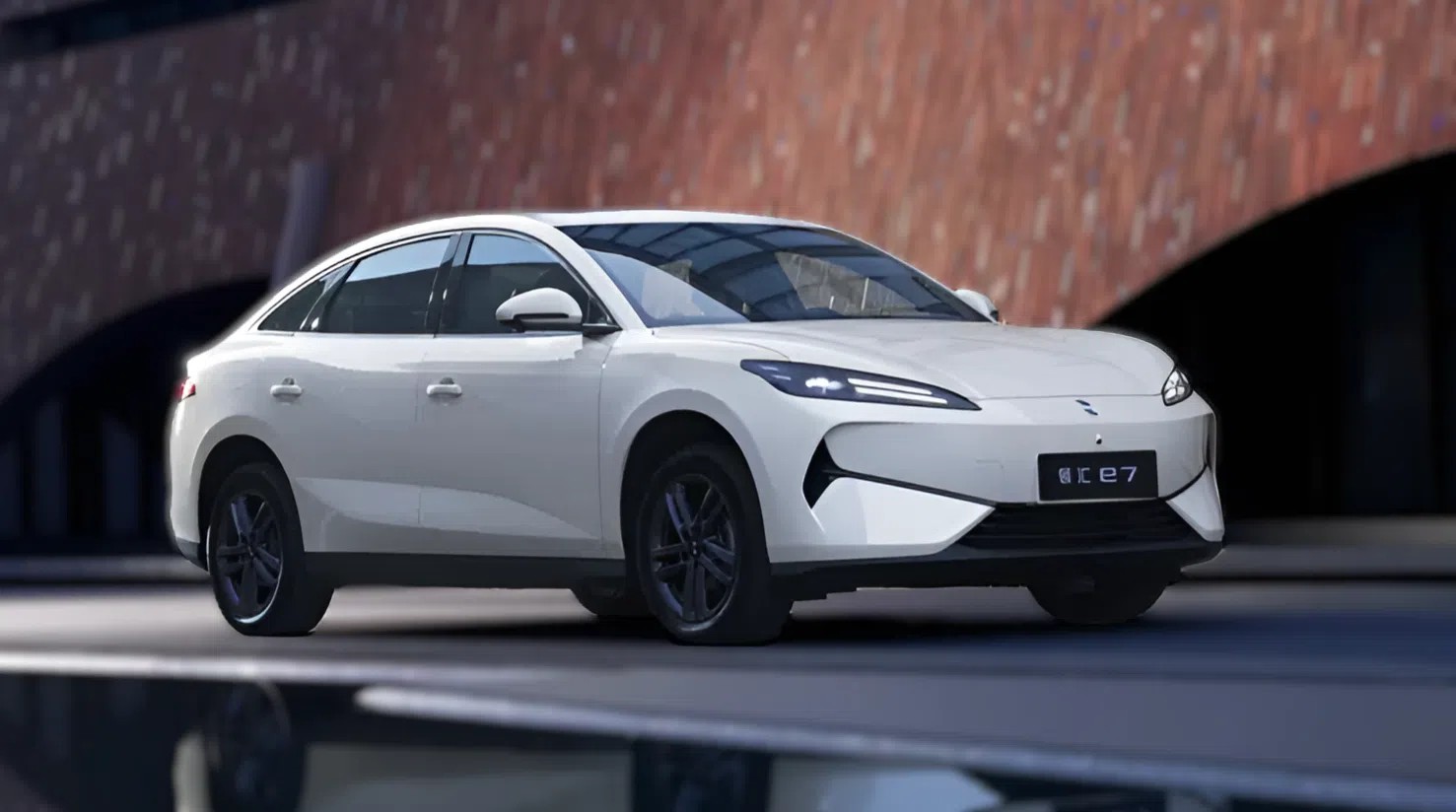
BYD is incentivizing the adoption of its Linghui e7 ride-hailing sedan by offering one year of free flash charging to eligible buyers. This promotion, designed to reduce operating costs for drivers, applies to the flash-charging variant of the vehicle and is effective from the date of delivery. The charging is facilitated through a network of dedicated Linghui and Didi-operated stations. Some dealerships are even extending the offer up to 1.5 years, though availability varies regionally.
Lowering Costs for High-Mileage Drivers
The Linghui e7 is specifically engineered for ride-hailing use cases, where vehicles accumulate high mileage daily and require rapid turnaround times. The vehicle features BYD’s second-generation Blade battery, optimized for fast charging.
The financial impact of this offer is significant: electricity costs for a ride-hailing vehicle covering 100,000 km typically run around 16,000 yuan (approximately $2,300 USD) using public fast chargers. BYD’s free charging program effectively covers a large portion of these expenses for the first year, making the Linghui e7 more attractive to fleet operators and individual drivers alike.
Charging Cost Breakdown
Electricity pricing varies widely:
- Off-peak home charging: Roughly 0.35 yuan ($0.05 USD) per kWh.
- Public fast charging: An average of 1.1 yuan ($0.15 USD) per kWh.
- Peak-hour fast charging (commercial areas): 1.5 to 1.8 yuan ($0.21 to $0.25 USD) per kWh.
The free flash charging bypasses these fluctuating costs for the first year, providing a predictable expense reduction.
BYD’s Strategic Rollout of Flash Charging
The Linghui e7’s flash charging capability is part of a larger BYD initiative to equip ride-hailing vehicles with faster energy replenishment systems. The company rolled out the model in 127 cities across China, signaling a nationwide push to dominate the ride-hailing EV segment.
Dedicated Sub-Brand Strategy
BYD created the Linghui brand as a dedicated division for ride-hailing vehicles to avoid potential brand dilution. This approach allows the company to market specifically to the unique demands of this sector without impacting the perception of its broader consumer lineup.
BYD’s move is a clear effort to lock in ride-hailing fleets by lowering the total cost of ownership. The free charging incentive is a strong catalyst for adoption.
The offer is currently limited to the flash-charging version of the Linghui e7 and is restricted to the specified charging network. However, it represents a significant competitive advantage for BYD in the rapidly growing Chinese ride-hailing market.