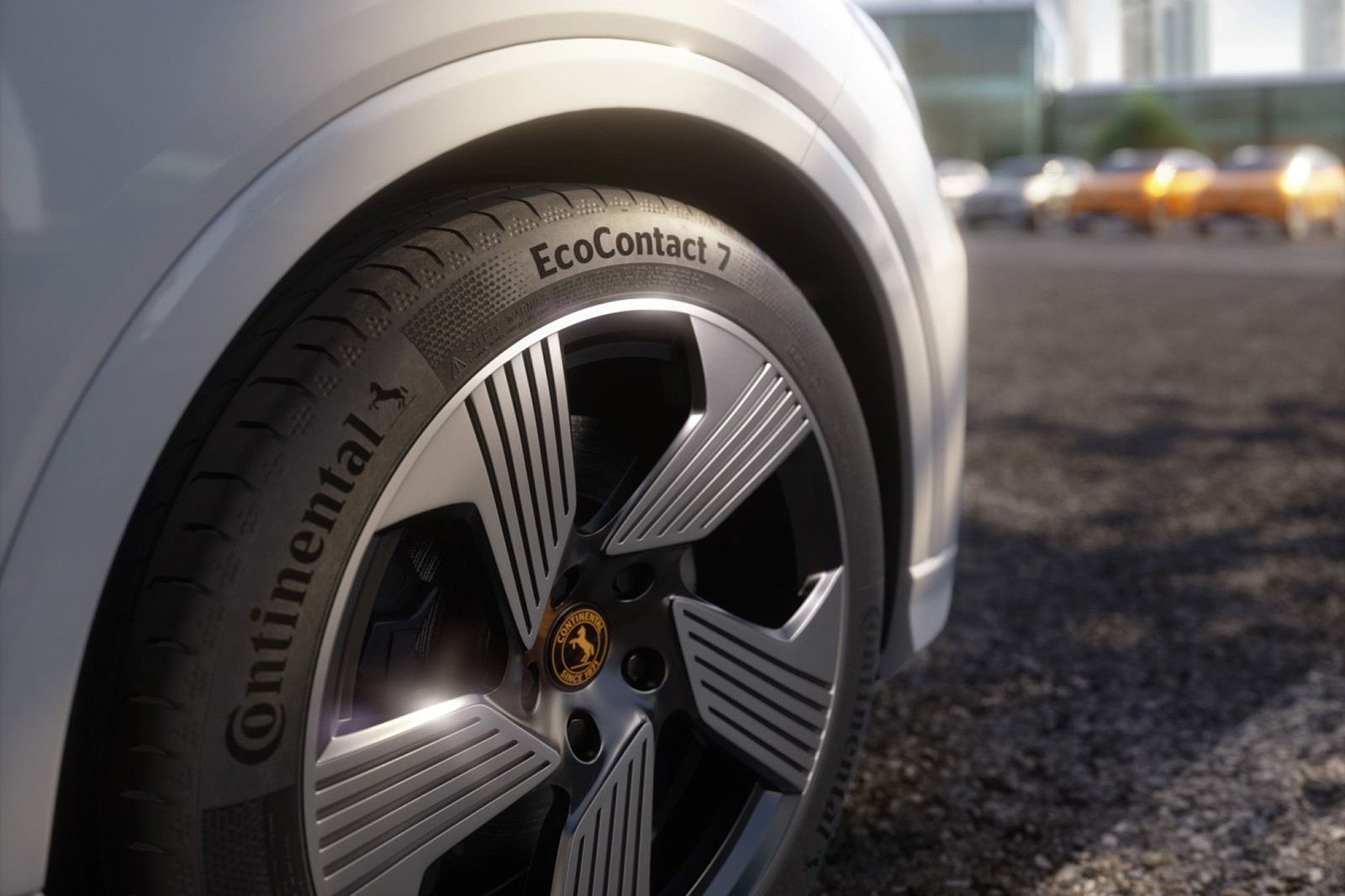
Car manufacturers invest billions in aerodynamics, lightweight materials, and advanced engine tuning to squeeze every drop of efficiency from our vehicles. Yet, one of the most significant factors affecting fuel economy and electric range is often overlooked by consumers: the tyres.
While we tend to view tyres as simple rubber rings, they are complex engineering components that dictate how much energy your car wastes just by rolling down the road.
The Science of Rolling Resistance
The core issue is rolling resistance. This is the energy lost as heat when a tyre deforms against the road surface. Manufacturers estimate that rolling resistance accounts for 20–30% of a vehicle’s total fuel consumption. According to Michelin, a mere 30% increase in rolling resistance can raise fuel consumption by 3–5%.
For electric vehicle (EV) owners, this metric is even more critical. Since energy is finite in a battery, high rolling resistance directly translates to reduced range. Whether powered by liquid fuel or electricity, the physics remain the same: energy spent fighting tyre resistance is energy not used for moving the car forward.
The Engineering Tightrope
Reducing rolling resistance is not as simple as making tyres harder or lighter. Tyre engineering is a balancing act involving conflicting performance goals.
- Grip vs. Efficiency: Softer rubber compounds generally offer better grip (traction and braking) but create higher rolling resistance because they flex more. Harder compounds reduce resistance but can compromise safety, particularly in wet conditions.
- The Material Solution: To solve this, manufacturers have turned to chemistry. In the 1990s, the industry began replacing traditional carbon black with silica in tyre compounds. This shift reduced hysteresis—the energy lost as heat when the tyre flexes—by up to 50% in some cases, significantly improving braking distances while maintaining efficiency.
Continental describes the challenge of reducing rolling resistance without sacrificing grip as “one of the greatest challenges of tyre engineering.” The solution lies in advanced materials, innovative rubber compounds, and optimized tread designs that minimize energy loss.
Why This Matters for Drivers
Understanding rolling resistance is crucial for two main reasons:
- Running Costs: Even small improvements in tyre efficiency can lead to noticeable savings at the pump or extended range for EVs.
- Environmental Impact: Lower rolling resistance means lower CO2 emissions for combustion engines and reduced strain on the electrical grid for EVs.
While EU law requires tyres to display an efficiency rating based on rolling resistance, many drivers still prioritize price or brand over performance metrics. However, as technology advances, the gap between high-efficiency and standard tyres is widening.
Key Takeaway: Tyres are not just a contact point with the road; they are a primary determinant of vehicle efficiency. Choosing the right tyre can be as impactful as upgrading your engine or battery technology.
The Path Forward
The industry continues to innovate, focusing on reducing the “parasitic loss” caused by tyre deformation. Future advancements in casing flexibility and tread design promise to further lower emissions and running costs. For now, consumers should pay close attention to tyre labels, understanding that a small change in rubber chemistry can have a large effect on their wallet and the environment.
In short, while we marvel at the high-tech features inside our cars, we should not ignore the fundamental technology beneath them. Your tyres are working harder than you think.