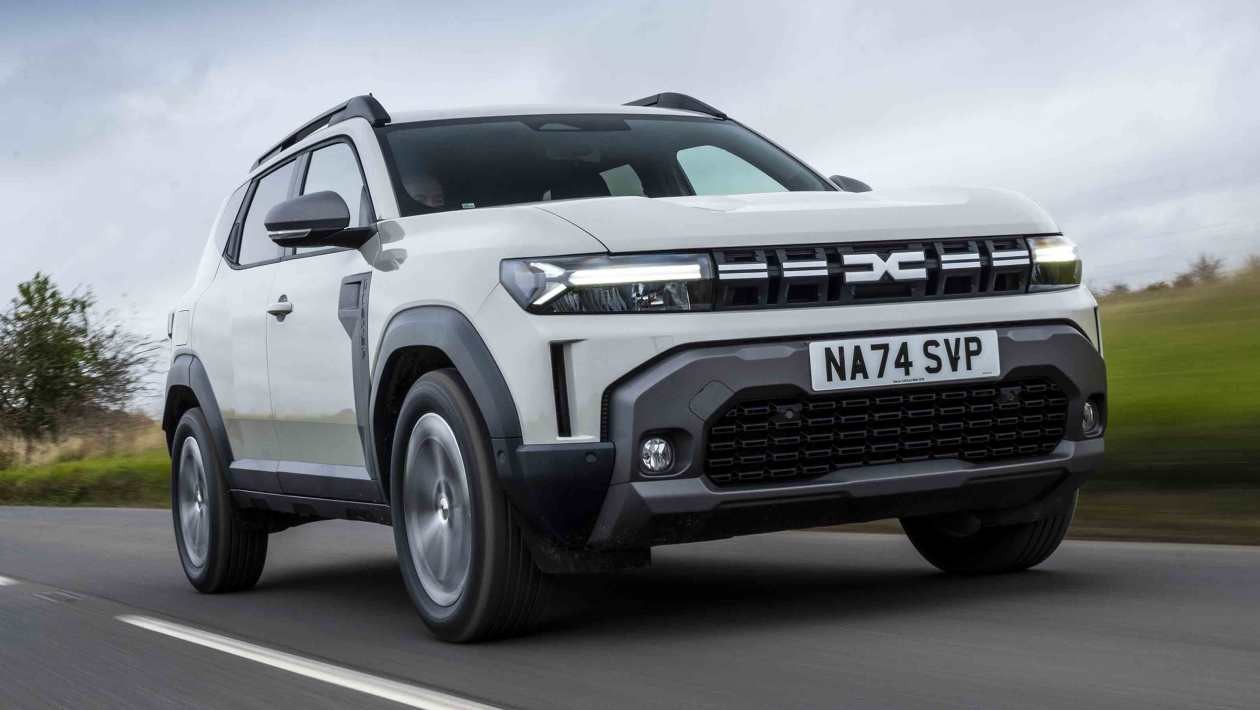
The Dacia Duster remains a standout choice for buyers prioritizing affordability in the competitive family SUV segment. The third-generation model builds on the Romanian brand’s reputation for practicality and value, offering a compelling alternative to more expensive rivals like the Ford Puma and Renault Captur.
A Proven Formula, Now Refined
Since its European launch in 2010, the Duster has attracted over 2.4 million buyers worldwide, proving its appeal to those seeking maximum value. The latest iteration improves on this formula with a new platform shared with the Dacia Jogger, Renault Clio, and Captur—resulting in a more refined driving experience and updated technology.
Why this matters: In a market saturated with SUVs, the Duster stands out by not trying to compete on luxury or sportiness. It focuses on delivering core functionality at a price point that makes it accessible to a wider range of customers. This is particularly significant at a time when many mainstream SUVs now cost over £26,000 even in base trim.
What’s New: Platform and Powertrains
The Duster now rides on the Renault Group’s CMF-B platform, bringing improvements to ride quality, handling, and interior space. The engine lineup includes a 1.3-liter petrol, a mild-hybrid option, and for the first time, a full hybrid powertrain.
- Performance: The Hybrid 140 delivers 138bhp, while the mild-hybrid TCe 130 produces 128bhp. Both options offer reasonable performance, with the front-wheel-drive TCe 130 accelerating from 0-62mph in 9.9 seconds.
- Off-Road Capability: Four-wheel-drive is available with the TCe 130, enhancing traction on rough terrain with selectable drive modes and hill descent control.
Interior and Technology: Functional, Not Frivolous
The Dacia Duster’s interior has received a much-needed upgrade in terms of design and materials. While it doesn’t match the premium feel of higher-priced competitors, it’s significantly more stylish than previous models.
Key features:
- Physical climate controls borrowed from Renault models provide a tactile user experience.
- A digital instrument cluster and touchscreen infotainment system offer modern functionality without unnecessary complexity.
- A customizable “Perso” mode allows drivers to personalize driver-assist features.
Build quality remains a concern : some low-rent materials are present, reminding buyers that this is a budget-focused vehicle.
Real-World Performance and Running Costs
The Duster’s strength lies in its low running costs. The hybrid model averages 52.3mpg, while the mild-hybrid achieves around 46.3mpg. Insurance costs are reasonable, and the Duster holds its value well—retaining between 51% and 64% of its original price after three years.
Depreciation: The Dacia Duster retains better residual values compared to competitors like the Renault Captur and Ford Puma.
Verdict: The Smart Choice for Value-Conscious Buyers
The Dacia Duster continues to defy expectations by delivering a well-rounded SUV at an unbeatable price. While it lacks the refinement of some rivals, its honest approach, practicality, and low running costs make it an ideal choice for buyers who prioritize value over luxury.
The Dacia Duster isn’t just a cheap car; it’s a smart one. It offers everything most families need without forcing them to compromise on essential features.