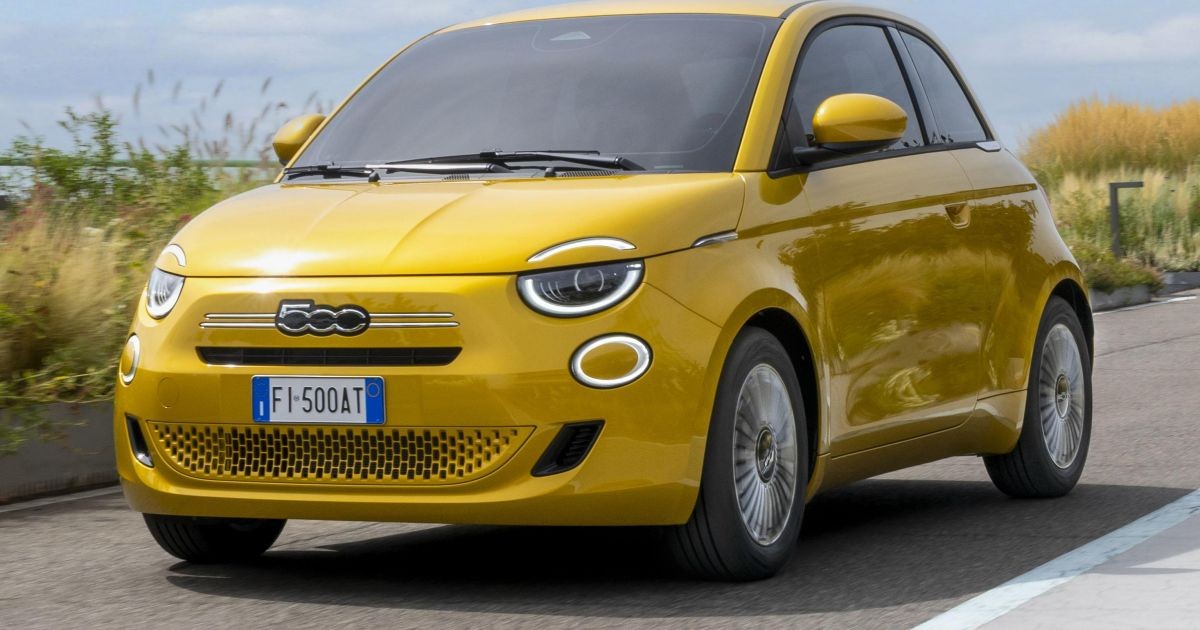
Fiat is reintroducing a hybrid version of its iconic 500 model to European markets, prioritizing affordability over raw performance. The new 500 Hybrid combines the chassis of the all-electric 500e with a downsized 1.0-liter turbocharged three-cylinder engine, marking a shift back to internal combustion for budget-conscious buyers.
Engine and Performance
The hybrid powertrain produces 48kW (approximately 64 horsepower), a slight reduction from the previous generation’s 52kW. Coupled with a six-speed manual transmission, the hatchback accelerates from 0 to 100 km/h in 16.2 seconds, while the convertible takes a slower 17.3 seconds. Fuel economy is projected around 5.3L/100km.
This trade-off in speed is significant. The electric 500e, available in Australia, achieves 0-100km/h in 9.0 seconds with its 87kW motor, highlighting the performance gap. The decision to prioritize efficiency over speed reflects a growing market segment seeking low-cost urban mobility.
Market Context and Pricing
The Fiat 500 Hybrid is expected to undercut the electric 500e by at least £5000 (approximately A$10,000), making it a more accessible option for consumers. While pricing remains unconfirmed, this price difference is key: electric vehicle adoption still faces barriers due to cost.
The hybrid’s arrival comes at a critical time. Europe recently banned the sale of older, non-compliant petrol 500 models due to cybersecurity regulations, causing Fiat to lose market share. The hybrid offers a compliant alternative without the high price tag of the EV.
Availability and Production
The 500 Hybrid will be available in three body styles: hatchback, convertible, and the unique Trepiuno (with a rear-hinged passenger door, left-hand drive only). Production starts this month at Fiat’s Mirafiori factory in Turin, with initial output capped at 5000 units, but scaling up to 100,000 per year if demand warrants.
Australia remains an open question. Fiat has not confirmed local availability, but continues to sell older, non-hybrid 500 models alongside the more expensive 500e. The hybrid could fill a crucial price gap if introduced here.
Strategic Shift
The decision to resurrect the hybrid stems from Fiat’s need to retain market presence after losing its older petrol models. Engineering the hybrid into the current generation 500 proved more viable than fully updating the discontinued second-generation.
“The hybrid represents a pragmatic solution to a regulatory problem, allowing Fiat to continue competing in the city car segment without overhauling its entire lineup.”
The 500 Hybrid is a calculated move to balance regulatory compliance, affordability, and market demand. Its success hinges on how effectively Fiat positions it against the growing field of electric competitors.