The Federal Trade Commission (FTC) has issued warning letters to 97 auto dealer groups across the United States, signaling a crackdown on misleading pricing practices. The agency is demanding dealers stop adding surprise mandatory fees at the point of sale, a tactic that artificially inflates advertised prices and deceives consumers.
The Problem: Bait-and-Switch Tactics
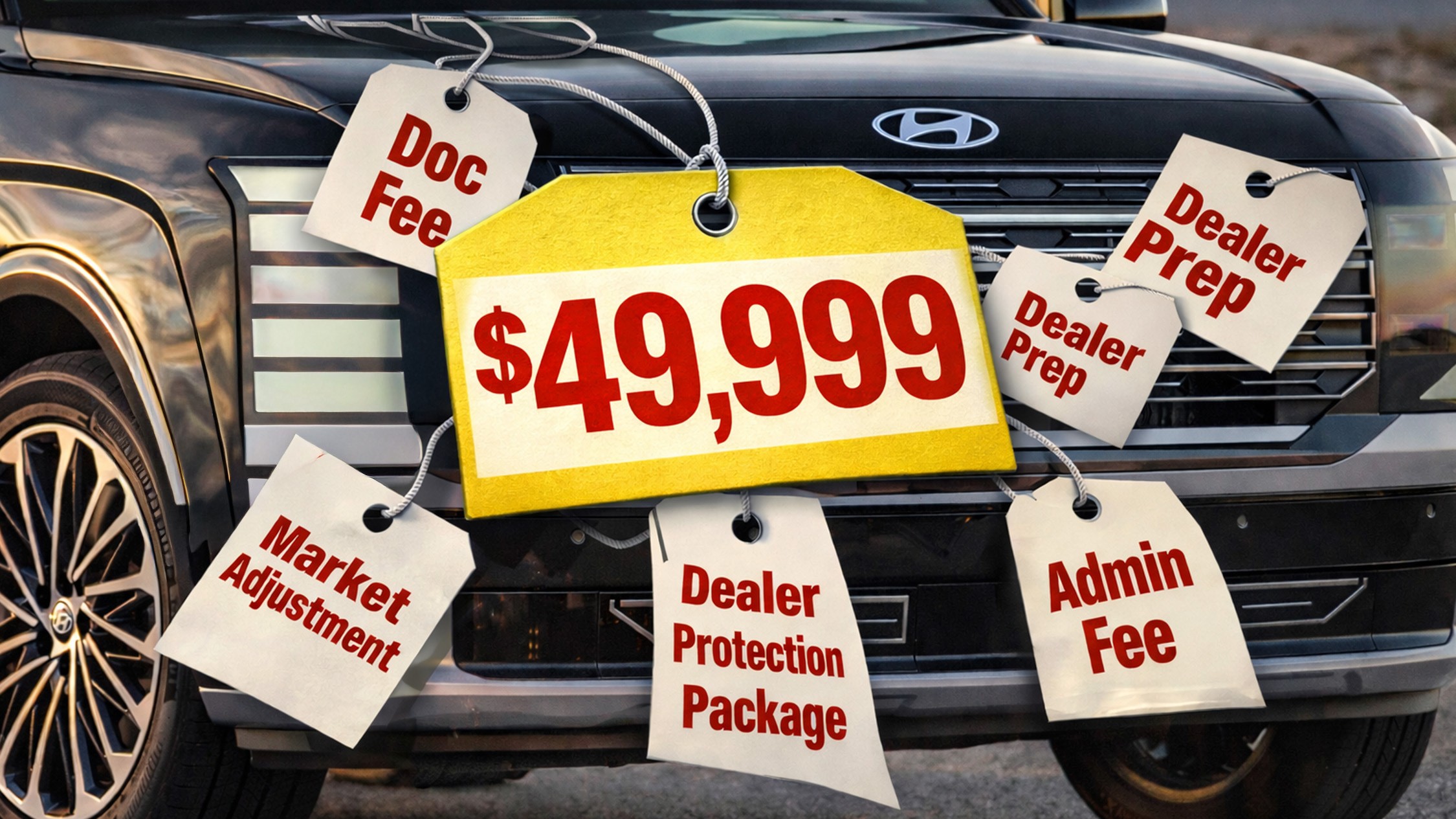
Many dealerships advertise low prices to attract buyers, only to tack on hidden fees during the final stages of the purchase. These can include “dealer prep” charges, bogus add-ons, or inflated financing requirements that were not disclosed upfront. The FTC argues this is a deceptive practice that violates consumer protection laws.
The agency has specifically targeted dealerships using several questionable strategies:
- Omitted Fees: Ads that exclude required fees from the advertised price.
- Ineligible Promotions: Deals contingent on rebates most buyers cannot qualify for.
- Hidden Financing Requirements: Pricing that only applies if customers use dealer financing.
- Non-Existent Inventory: Promoting vehicles that are not actually available on the lot.
Why This Matters
The FTC’s move isn’t just about individual dealerships; it reflects a broader effort to ensure transparency in consumer pricing. Hidden fees erode trust in the marketplace and force buyers to spend more than they initially budgeted. This is especially critical in the auto industry, where vehicle purchases represent a significant financial commitment for most people.
The FTC’s Bureau of Consumer Protection Director, Christopher Mufarrige, emphasized that the agency is committed to preventing dealers from misleading consumers. The agency is also expanding its scrutiny to industries such as hotels, rental housing, and ticketing.
A Warning, Not an Accusation (For Now)
The letters themselves are not formal accusations of wrongdoing. Instead, the FTC is putting dealers on notice: comply with honest pricing practices or face enforcement action. The agency already has ongoing cases against several dealerships, including one where 90% of buyers paid $2,000 more than advertised.
The National Automobile Dealers Association (NADA) acknowledged the issue and pledged to cooperate with the FTC, though it maintains that most dealerships operate ethically.
The FTC’s actions underscore that transparent pricing is no longer optional. Dealers must ensure advertised prices accurately reflect the total cost buyers will pay, excluding only legitimate government charges like taxes.
The crackdown is a clear signal that regulators are serious about protecting consumers from deceptive pricing tactics. Buyers should now have more clarity when shopping for vehicles, but vigilance remains key.