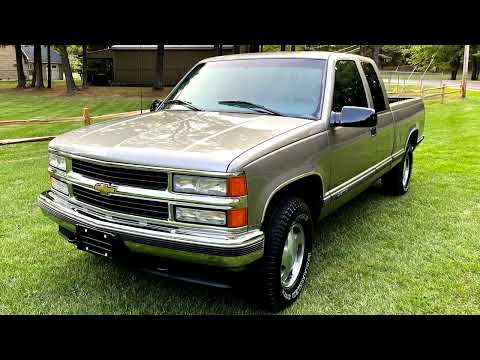
A US jury has ruled in favor of General Motors, clearing the automaker of liability in a $73 million lawsuit stemming from a 2018 crash involving a 1998 Chevrolet C/K 1500 pickup truck. The case, which stretched over five years in court, hinged on whether the truck’s two-point lap belt was defective, given the severe injuries sustained by passenger Allie Mead. The verdict underscores the complexities of applying modern safety standards to older vehicles and raises questions about manufacturer responsibility.
The 2018 Crash and Injuries
In August 2018, at approximately 1:50 a.m., the 1998 Chevrolet C/K 1500 Mead was riding in crashed into a tree and boulder. Mead suffered life-altering injuries, including a spinal fracture, ruptured colon, and severe abdominal trauma. She argued these injuries were directly caused by the inadequate design of the lap belt, claiming a three-point belt would have prevented the worst outcomes.
GM’s Defense: Compliance With Historical Standards
General Motors successfully argued that the 1998 truck met or exceeded all federal safety standards at the time of its sale. Three-point seatbelts were not yet mandated for rear center seats, and the company maintained its design was not negligent. This defense highlights the legal gray area when assessing older vehicles against contemporary safety expectations.
The Lap Belt Controversy
Mead’s attorney, Robert Eglet, argued passionately that GM knowingly chose not to install the more advanced three-point system despite its economic feasibility. He described the lap belt as a “weapon” that amplified Mead’s injuries rather than protecting her. However, the jury ultimately sided with GM, concluding the lap belt functioned as intended—preventing ejection but not eliminating injury entirely.
The Verdict and Aftermath
The jury found no obligation for GM to warn Mead about the belt’s limitations, deeming it neither defective nor unreasonably dangerous. Eglet had requested $64.8 million in damages plus $8.6 million for medical bills and lost wages, but the jury rejected the claim. He expressed shock at the outcome, asserting that the product’s defectiveness and lack of warning were proven beyond doubt.
The jury’s decision underscores a critical point: manufacturers are not necessarily liable for injuries sustained in older vehicles if they met the safety standards of their time, even if those standards would be considered inadequate today.
The case serves as a stark reminder that vehicle safety has evolved, but legal responsibility often remains tethered to the regulations in place when the vehicle was originally manufactured.