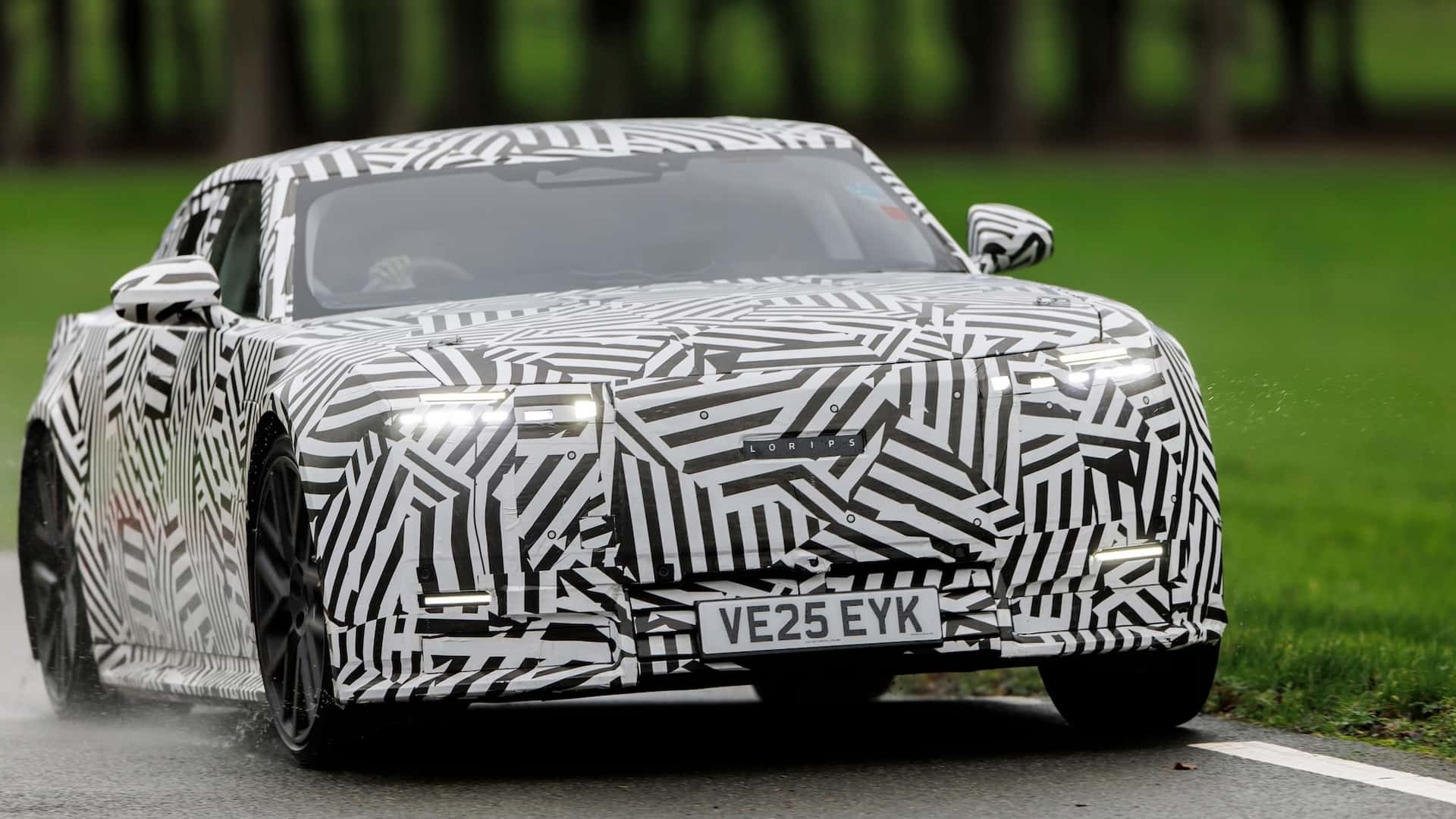
Jaguar, which recently declared the end of internal combustion engines (ICE) with the final gas-powered F-Pace rolling off the line, may be quietly exploring a return to hybrid technology for its upcoming Type 00 electric vehicle (EV). Reports indicate that engineers are evaluating a range-extending gas engine to alleviate range anxiety and potentially boost the vehicle’s total driving distance to 684 miles (1,100 kilometers).
The Shift in Strategy
Jaguar’s commitment to becoming an all-electric brand has been central to its recent restructuring. However, concerns about the Type 00’s real-world range—estimated at 478 miles (770 kilometers) on the WLTP cycle—could deter potential buyers. Adding a small gas engine as a generator would allow Jaguar to offer a longer-range option without fully abandoning its EV ambitions. This approach, similar to BMW’s earlier i3 REx, would not drive the wheels directly but instead recharge the battery while in motion.
Why This Matters
The potential inclusion of a range extender highlights a key dilemma facing EV manufacturers: consumer acceptance versus strict environmental pledges. While many buyers are eager to embrace electric vehicles, range anxiety remains a significant barrier. A hybrid option could bridge the gap, attracting customers hesitant to switch entirely to EVs. This move also underscores the financial pressures on Jaguar, which is attempting to revive its luxury brand amid limited production capacity.
Conflicting Reports and JLR’s Silence
The report, initially published by The Times, suggests a “secret initiative” within Jaguar to explore EREV (electric range-extending vehicle) configurations. Jaguar Land Rover (JLR) declined to comment, fueling speculation. However, Autocar claims the report is “rubbish,” and a Jaguar spokesperson has officially denied the existence of such plans.
Despite the conflicting statements, the fact that the discussion has emerged suggests internal debate. JLR is already developing range-extender options for its Freelander brand in partnership with Chery, indicating the technology is available.
What to Expect
If approved, the range-extending Type 00 likely wouldn’t debut alongside the standard EV later this year. Reengineering a vehicle already deep into development would be costly, and the EREV version would probably arrive later in the model’s life cycle with a higher price tag—potentially exceeding the $120,000 expected for the standard electric model.
The decision to explore range-extending options reflects a pragmatic shift, acknowledging that even luxury EV buyers may prioritize practicality over ideological purity.
Ultimately, Jaguar’s final decision will determine whether it remains a strictly electric brand or adopts a more flexible approach to meet market demands.