Jaguar made a drastic decision to cancel multiple new vehicle projects – including successors to its popular XF, XJ, F-Type, and F-Pace models – in favor of an all-electric future. The revelation came from Ian Callum, Jaguar’s former design director (1999–2019), during an appearance on the Road to Success podcast.
Development Abandoned for New EV Focus
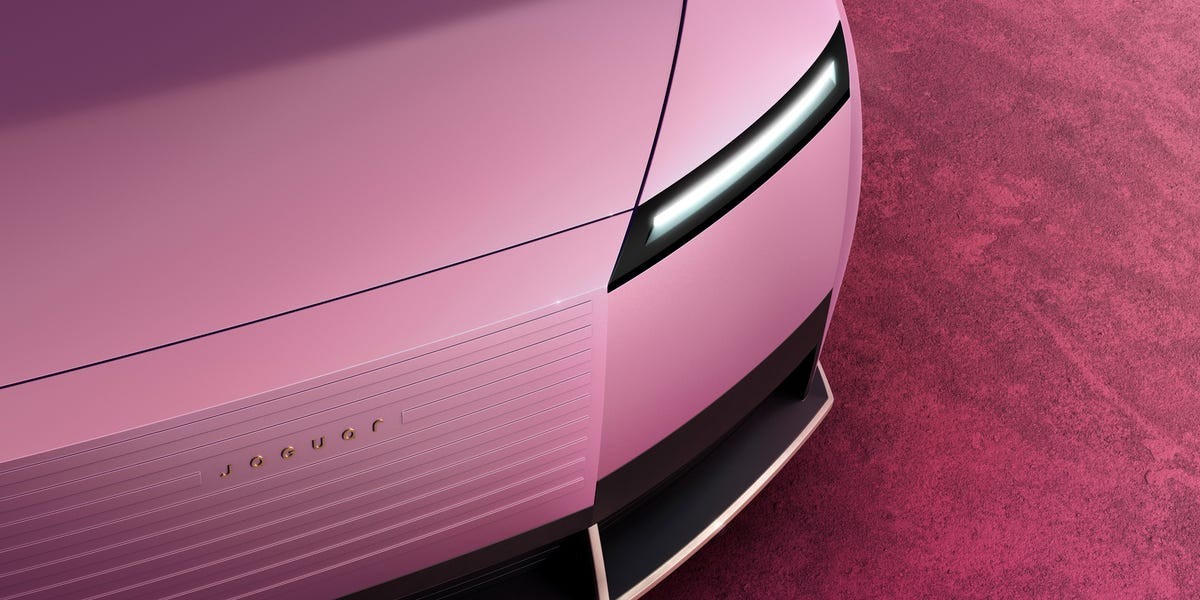
Callum stated that he and his team were well into developing replacements for key models before these plans were abruptly halted. The canceled projects included a new XF sedan, an updated F-Pace SUV (which was Jaguar’s best-selling vehicle), a successor to the F-Type sports car, and a next-generation XJ sedan. All were “taken away” to prioritize the development of the Type 00 concept, Jaguar’s all-electric preview car.
This decision is particularly striking because the XJ prototype was reportedly near production readiness, with leaked images showing a large sedan that closely resembled a final design. It was even spotted undergoing road tests in camouflage. The abrupt cancellation raises questions about the reasoning behind such a sweeping change. Callum himself admitted he knows the reasons but declined to elaborate, stating there was “no founded real excuse for doing that.”
The EV Gamble: Beauty vs. Boldness
The move signals Jaguar’s commitment to becoming an exclusively electric brand. The Type 00 concept, unveiled over a year ago, represents this new direction. While Callum acknowledged the Type 00’s boldness, he criticized its design, stating it “is not beautiful” and that Jaguars “need to be beautiful.” He also described the design as “just too retro.”
Why This Matters
Jaguar hasn’t launched a new model since 2018, and the complete overhaul of its lineup represents a high-stakes gamble. The company is betting that a radical shift to EVs will revive its fortunes. However, abandoning nearly finished products is unusual, and the decision could impact Jaguar’s brand identity if the transition to electric vehicles doesn’t resonate with its traditional customer base.
The move also highlights the increasing pressure on legacy automakers to adapt to the rapidly changing automotive landscape. While many companies are exploring EV options, Jaguar took an extreme step by eliminating all internal combustion engine development in one go.
Despite the drastic changes, Callum remains optimistic that the brand can be saved, though he suggests an outsider’s perspective may be necessary to steer it in the right direction.
The production version of the Type 00 is expected this year, and its success will determine whether Jaguar’s gamble pays off.