Kia has unveiled an ambitious roadmap for the next decade, signaling a significant shift in its product strategy to capture a larger share of the North American market. During its CEO Investor Day in Seoul, the automaker announced plans to reach 4.13 million global annual sales by 2030, with the United States serving as a primary engine for this growth.
To achieve this, Kia is moving beyond its current offerings to embrace high-demand segments, specifically targeting the lucrative American pickup truck market and doubling its hybrid availability.
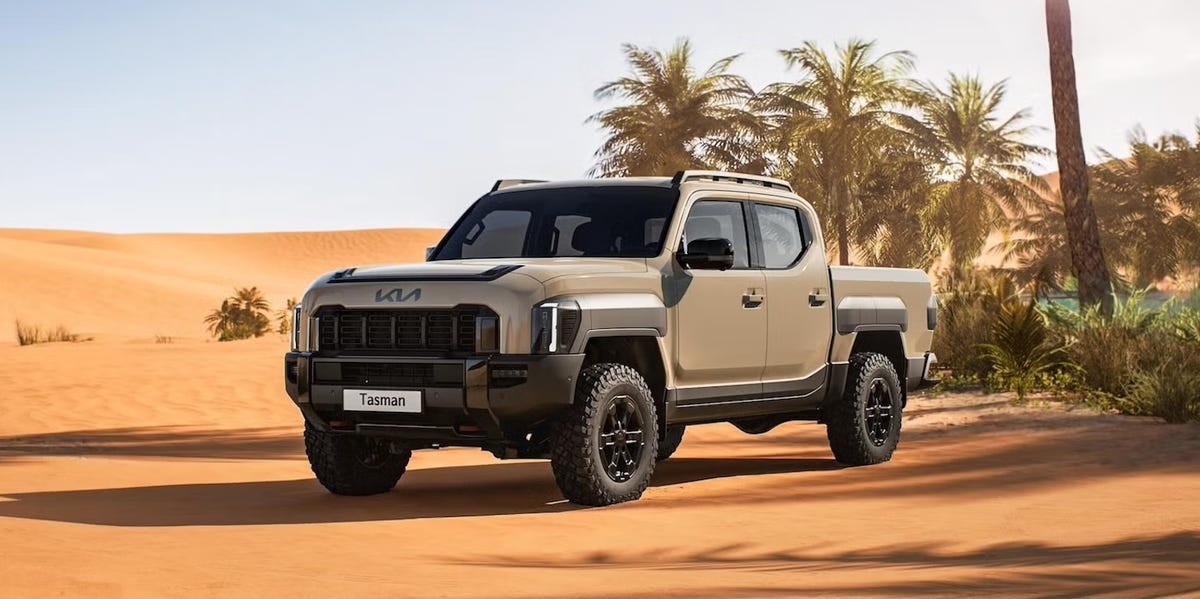
Entering the American Truck Market
While Kia previously discussed an all-electric mid-size pickup for the U.S., the company has refined its strategy. The upcoming North American truck will utilize a body-on-frame platform —a rugged construction method preferred by truck buyers for durability and towing—and will feature several powertrain options:
- Hybrid Electric Vehicles (HEV)
- Extended-Range Electric Vehicles (EREV): Also known as series plug-in hybrids, these use a gas engine primarily as a generator to charge the battery, providing much longer range than traditional EVs.
- Full Electric (EV): While not explicitly detailed in the official press release, industry reports suggest a fully electric version is also in the works.
This move aligns Kia with its sister company, Hyundai, which is pursuing a similar body-on-frame strategy. Kia aims to sell 90,000 trucks annually in the U.S., targeting a 7% share of the mid-size pickup segment by 2034.
Doubling Down on Hybrids and SUVs
Recognizing that many consumers are not yet ready to go fully electric, Kia plans to aggressively expand its hybrid offerings in the U.S., growing from four models to eight.
Key drivers for this growth include:
* The K4 Sedan: Following its success as a top seller, a hybrid version of the K4 is highly anticipated for the U.S. market.
* SUV Dominance: Kia aims to turn the Sportage into a powerhouse with over 200,000 annual units sold, while increasing production capacity for the Telluride to 180,000 units per year.
* The Seltos: The company is targeting 100,000 annual sales for this subcompact SUV in America.
The Future of EVs and Specialized Vans
While the U.S. focus leans heavily on hybrids and trucks, Kia is also advancing its electric technology globally. The company plans to expand its EV lineup to 14 models, supported by a next-generation platform designed to increase battery capacity by 40% and energy density by 15%.
A notable part of this evolution is the Purpose Built Vehicle (PBV) division. Kia is developing a specialized line of electric vans, including the PV5, PV7, and PV9. These vehicles are designed for versatility, offering configurations for:
* Passenger transport
* Cargo delivery
* Specialized conversions (e.g., campers or mobile clinics)
Though Kia’s core markets for these vans are currently Korea and Europe, recent sightings of the PV5 testing in Michigan suggest a potential U.S. debut.
Software and Autonomy
Beyond hardware, Kia is investing heavily in “Software Defined Vehicles” (SDVs). By late 2027, the company expects to have completed its first SDV—a subcompact electric hatchback equipped with Level 2+ autonomous driving capabilities. This technology is intended to assist with highway driving, with plans to expand to urban environments by 2029.
Summary: Kia is pivoting toward a diversified powerhouse strategy, using rugged body-on-frame trucks and an expanded hybrid lineup to secure a massive foothold in the American market while simultaneously advancing next-generation EV and autonomous technologies.