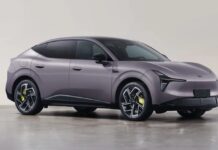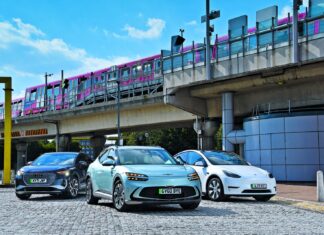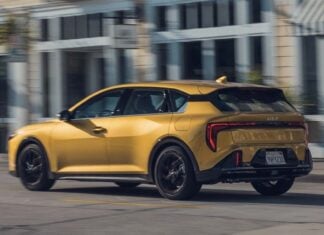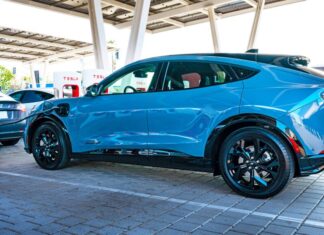
Kia has officially confirmed the development of a new electric B-segment hatchback, expected to be named the Kia EV1. Aimed at capturing the growing demand for affordable urban mobility, the model is slated for a 2027 launch.
The announcement, made by Kia CEO Song Ho-Sung during the brand’s Investor Day in Seoul, signals a strategic shift toward the entry-level electric vehicle (EV) market. The EV1 is expected to serve as the electric successor to the long-standing, petrol-powered Kia Picanto.
Targeting the Affordable Urban Segment
While Kia’s current EV lineup (including the EV2, EV3, and EV4) focuses on various segments of the passenger market, the EV1 is positioned to be even more accessible.
Key expectations for the EV1 include:
– Affordability: Estimates suggest a starting price of just over £20,000.
– Size: It will be smaller than the crossover-styled EV2, optimized for tight city streets.
– Technology: Despite its budget positioning, the EV1 is expected to be a Software-Defined Vehicle (SDV), utilizing Hyundai Motor Group’s advanced technologies, including autonomous driving functions for highway use.
“We are very conscious that the small-car market is really important,” noted Jochen Paesen, Kia’s Head of Advanced Design. “We want to make sure that we will be noticed.”
Design Evolution: From Rugged to Urban
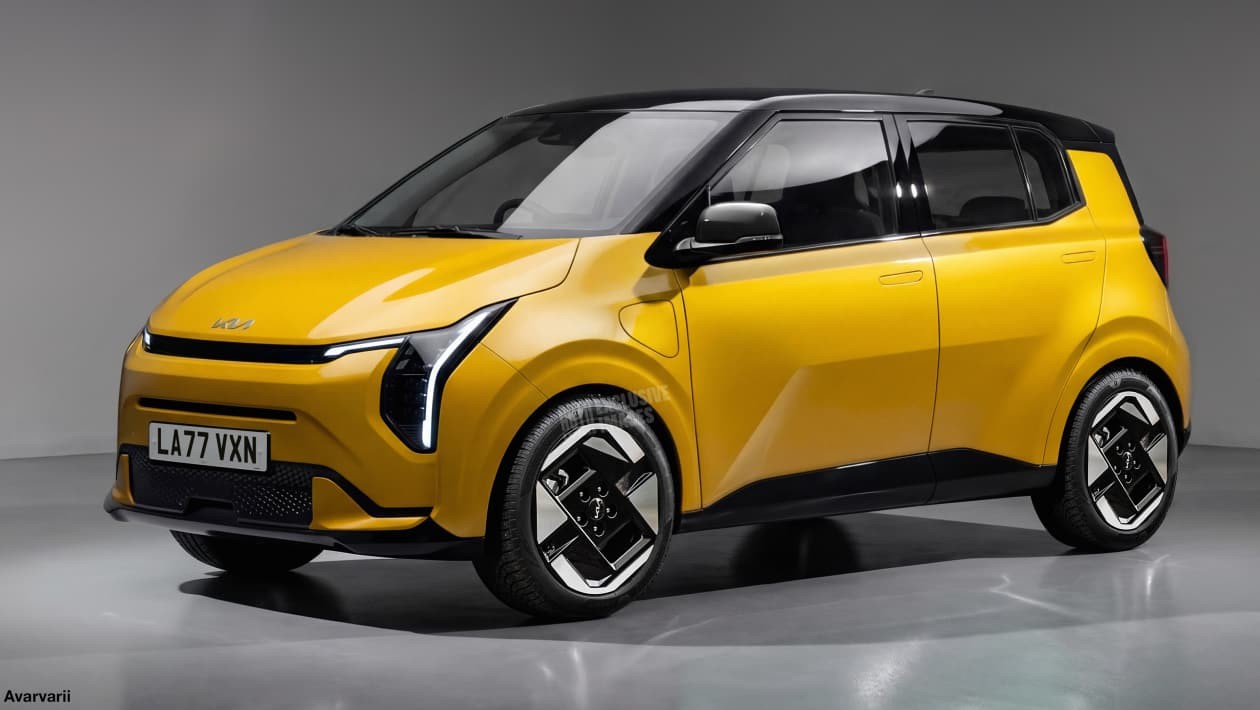
The EV1 is expected to represent a new phase in Kia’s design language. While recent models have utilized a minimalist, contemporary aesthetic, the EV1 may move toward a more “aspirational” look to drive showroom interest.
Unlike the EV2, which carries SUV-like influences, the EV1 is likely to adopt a monobox silhouette —similar to the EV4—to maximize interior space within a small footprint. Design cues may include:
– Urban Toughness: The use of black plastic on bumpers and sills to suggest durability without implying off-road capability.
– Modern Lighting: Vertically oriented LED lights and non-radial wheel designs.
– Simplified Interiors: While Kia’s current EVs often feature a complex triple-screen layout, the EV1 may opt for a more streamlined, user-friendly digital interface to keep costs down and ease of use up.
The Competitive Landscape
The “city car” segment is notoriously difficult to navigate because of thin profit margins. To make an entry-level EV profitable, manufacturers must balance high technology with strict cost constraints. Kia faces stiff competition from two major players:
- Renault: The upcoming electric Twingo is leveraging nostalgia and a “cool” factor, similar to the successful Renault 5. Renault has also utilized Chinese technical partnerships to accelerate development.
- Volkswagen: The anticipated ID. Lupo will likely benefit from a new hardware and software platform developed through VW’s joint venture with Rivian.
There is also speculation regarding a Kia EV1 GT variant. While a high-performance dual-motor setup may be unlikely given the car’s size, a “GT” version could offer a modest power boost and sporty styling cues, such as aggressive bumpers and distinctive neon accents.
Conclusion: The Kia EV1 represents a critical move for the brand to capture the budget-conscious urban market. Its success will depend on whether Kia can successfully marry advanced software and modern design with a highly competitive price point.