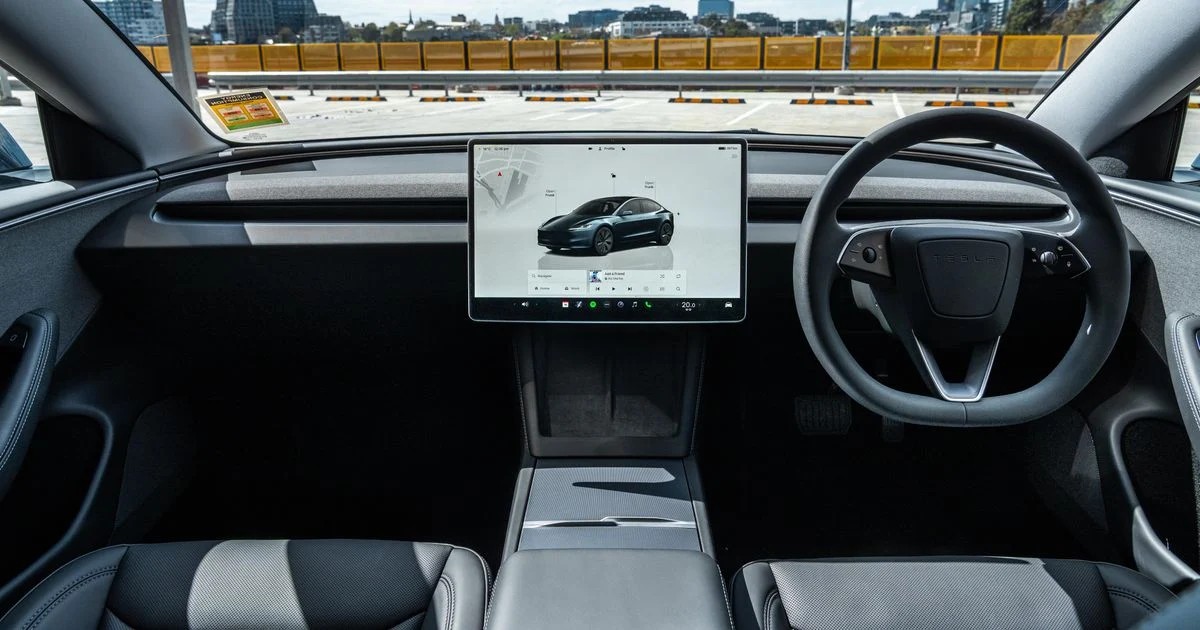
China is set to require all new vehicles sold within its market to include physical buttons for essential functions, reversing the recent industry trend towards minimalist touchscreen-dominated interiors. The mandate, expected to take effect on July 1, 2026, will compel automakers to reinstate controls for indicators, windows, wipers, gear selection, demisters, and ADAS (Advanced Driver Assistance Systems) features.
Why the Shift? Addressing Usability and Safety Concerns
This move comes as a direct response to growing consumer frustration and safety concerns surrounding touchscreen-only controls. Automakers, including Tesla and Volkswagen, have faced criticism – even lawsuits – over unintuitive, sometimes dangerous, implementations of touchscreen-based systems. In 2024, Hyundai’s design research found that drivers experience stress and annoyance when basic functions are buried within menus instead of being immediately accessible via physical buttons.
This isn’t limited to China. European and Australian safety bodies are also adopting stricter protocols from 2026 that penalize vehicles lacking physical controls, potentially impacting their safety ratings. Euro NCAP and ANCAP will require either physical buttons or switches for critical functions.
Beyond Convenience: The Critical Role of Physical Controls in Emergencies
The mandate extends to a physical power-off switch for electric vehicles (EVs), recognizing the unique safety challenges they present. The absence of such a switch could hinder emergency responders in post-collision scenarios, where immediate power disconnection is crucial.
The issue isn’t just about convenience; it’s about accessibility in emergencies. Without tactile feedback, drivers may struggle to locate critical functions during high-stress situations, such as activating hazard lights or opening windows after an accident.
A Response to Design Failures?
The decision also follows bans on flush electric door handles without mechanical backups, further signaling a broader crackdown on designs that prioritize aesthetics over usability. The pushback against touchscreen-heavy interiors highlights that while automakers have sought cost savings and a cleaner look, the trade-off has been usability and safety.
“When we tested with our focus group, we realised that people get stressed, annoyed and steamed when they want to control something in a pinch, but are unable to do so.”
— Ha Hak-soo, Hyundai Design North America Vice President
The mandate will require buttons to be “blind-operable,” meaning drivers can use them without taking their eyes off the road. This signals a clear message: safety is paramount, even if it means sacrificing design minimalism.
The move by Chinese authorities underscores a growing global recognition that prioritizing driver safety and usability is non-negotiable, even in the face of technological innovation. The trend suggests that the era of touchscreen-only car interiors may be drawing to a close, with a return to physical controls becoming the new standard.