Infrastructure is boring. It’s meant to get you there, not entertain you. Mostly.
Occasionally, a patch of pavement decides to play a prank. A song plays. But only if you hit the exact speed limit. One mph off, and it’s just noise. Right on target? You’re driving a vinyl record.
Seems fake, doesn’t it. It isn’t.
How It Actually Works
Simple physics.
Sound is vibration. Pitch depends on frequency. Engineers know this. They take that knowledge and carve it into the asphalt. Grooves. Lots of them. Spaced at precise intervals.
As tires hit these ridges, the car vibrates. Those shakes travel through the chassis into your ears. The spacing dictates the note.
Want an E note? That’s roughly 330 cycles a second.
Drive 45 mph and those grooves need to sit about 2.4 inches apart. Change the distance, you change the key. Stretch the pattern, and you get a longer sustain. The road becomes a mechanical instrument. You are the needle.
“The spacing between each groove determines the musicalnote.”
Too slow? The song drags out like a dial-up modem connecting.
Too fast? It becomes a screeching mess.
Perfection is narrow.
Why Bother?
It looks like a novelty.
It isn’t really.
Safety is the point. Speeding kills. Fatigue kills. Especially on rural stretches where nothing happens for hours. A musical road forces consistency. To hear the melody, you have to hold the limit.
It’s a soft coercion. No flashing cameras. No fines. Just a bad mix if you’re impatient.
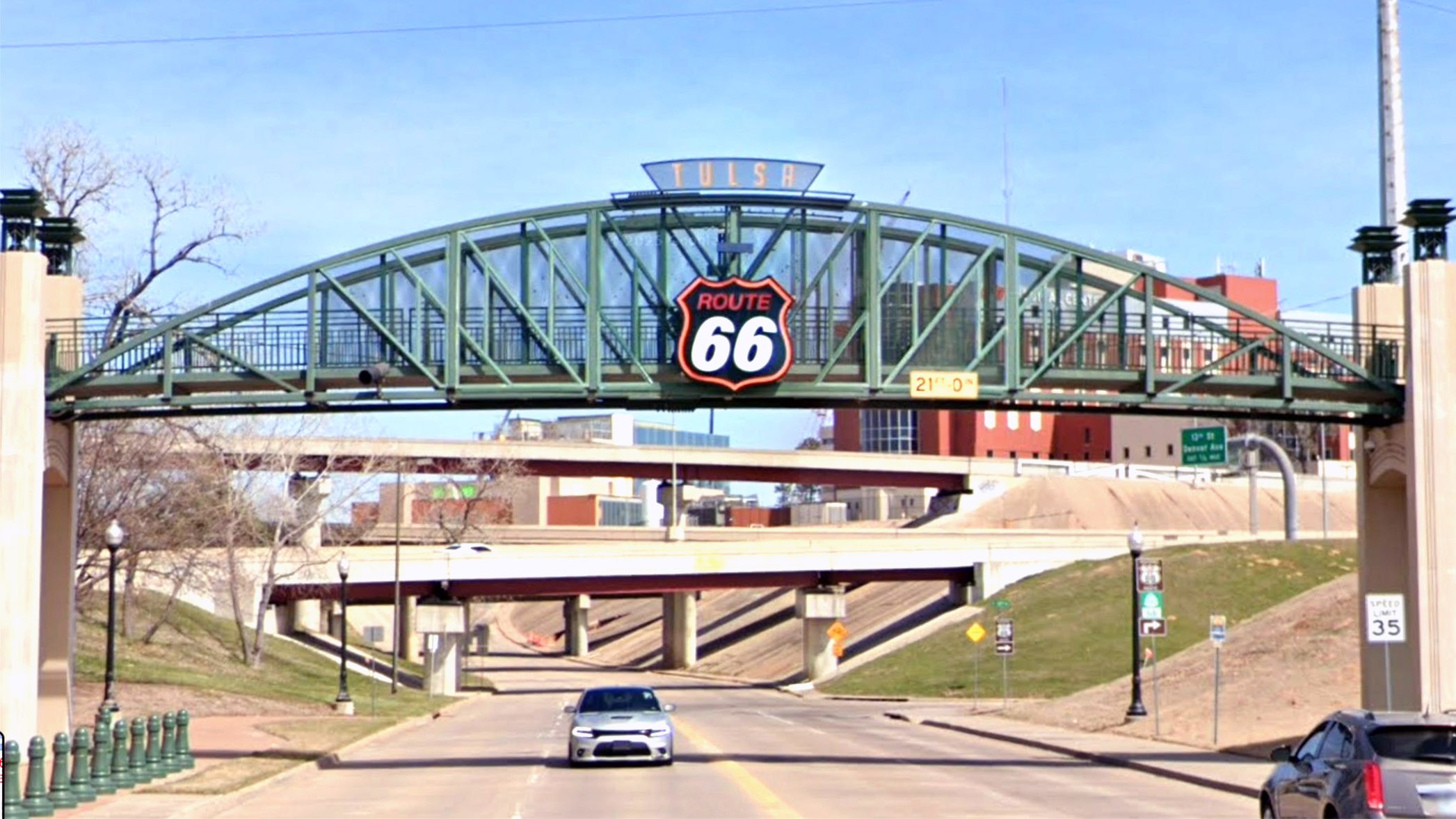
Remember the one on Route 66? Near Tijeras, New Mexico. 2014. Backed by National Geographic.
Quarter mile of pavement played “America the Beautiful.”
At 45 mph exactly.
It sounded great. At first.
Then time happened. Cars wore down the grooves. The song faded. The New Mexico Department of Transport looked at the restoration costs.
They shrugged.
“Restoration would be too expensive.”
Now it’s just gravel. Again.
Where They Are
The US has few of them. Each one is weird.
First one: Lancaster, California. 2008.
The finale of William Tell Overture.
Good idea? Yes.
Execution? No.
Neighbors complained about the noise. The city moved it away from houses. A design miscalculation means the tune never quite sat right anyway. A victory for acoustics, a loss for harmony.
Then there was Auburn University. 2019.
College pride.
They laid down a section for the Tigers’ fight song, “War Eagle.” Different technique here. They didn’t dig deep trenches. A surface application instead. Less maintenance, maybe. Or just easier to install.
Newest is in Palmdale. 2023.
2,500 feet on R. Lee Ermey Avenue. For the actor. The Marine. The guy in Full Metal Jacket.
It plays the Marines’ Hymn for 30 seconds.
Hit 45 mph. Hear the tribute.
Turns a stretch of highway into a moving memorial.
Not Just America
Japan leads the pack.
Over 30 of them. Tourist traps mostly. They call them Melody Roads.
South Korea, China, India, Spain.
Some play anthems. Some play movie themes. Some just play folk songs to keep sleepy drivers awake.
Why does this matter?
Maybe it doesn’t.
It’s just a rumble strip with ambition. But sometimes, driving isn’t about efficiency. It’s about the surprise of a bassline kicking in through your tire tread.
Most of the time, though?
We’ll never hear it again. The wear takes everything eventually.