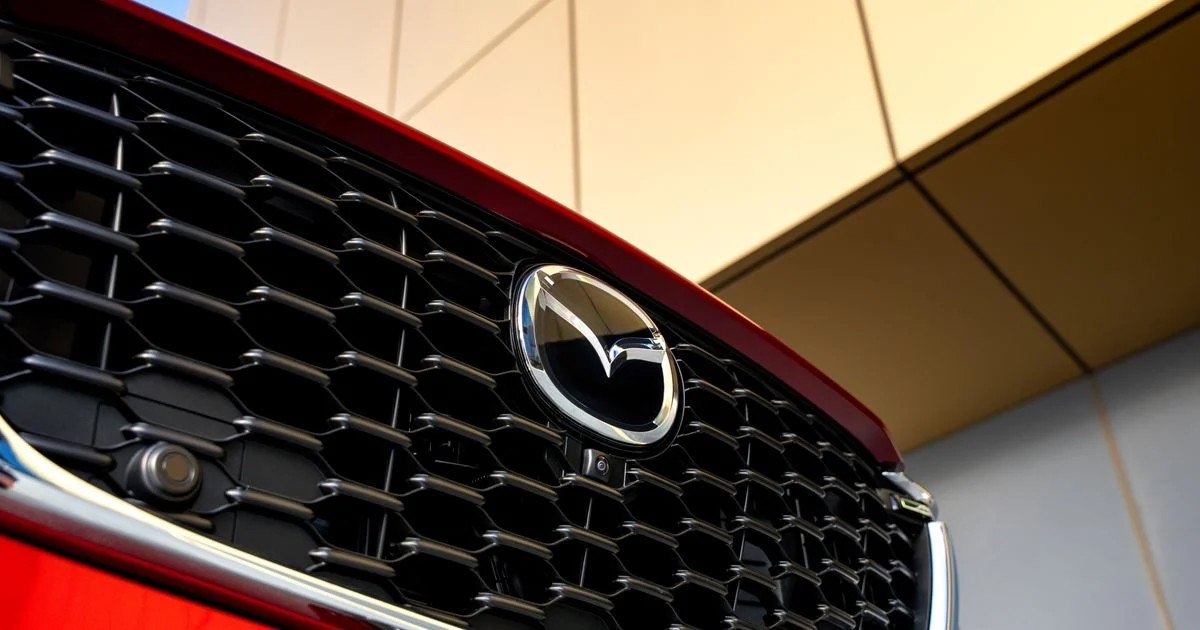
Mazda has overtaken Volvo as the top-ranked automaker for vehicle safety, according to new assessments by Consumer Reports. The shift reflects a broader trend towards evaluating safety beyond traditional crash tests, factoring in usability, driver distraction, and standard safety features.
New Safety Metrics Prioritize Driver Experience
For decades, Volvo held a strong reputation for safety. However, the latest Consumer Reports rankings use a more comprehensive approach: evaluating not only crash performance but also how easily drivers can use essential controls without distraction. This is critical because modern vehicles increasingly rely on touchscreen interfaces that can divert attention from the road.
According to Jake Fisher, Consumer Reports’ senior director of auto testing, “If controlling climate or audio functions distracts you from the task of driving, that’s a strike against safety. ” The rankings specifically penalized Volvo’s EX30 model for its low usability score, stemming from distracting controls.
Mazda’s Success: Simplicity Over Complexity
Mazda earned the top spot with over 80% of its vehicles receiving a “best” safety rating. The company’s lineup excels in crash prevention, predictable handling, and minimal driver distraction. Interestingly, Mazda’s approach to simplifying controls—even removing its signature rotary infotainment dial from the CX-5—appears to be paying off.
The top five automakers are now:
– Mazda
– Genesis
– Acura (Honda’s North American brand)
– Lincoln
– Hyundai
Changing Standards and the Future of Car Safety
The shift in rankings coincides with updated safety protocols, including those introduced by the Australasian New Car Assessment Program (ANCAP) in January 2026. ANCAP now emphasizes the safety of electric vehicle batteries, the intrusiveness of driver-assist systems, and the presence of physical buttons for critical controls (horn, wipers, etc.).
This move is a direct response to concerns about touchscreen reliance and driver distraction. If manufacturers don’t offer physical buttons, they must dedicate a fixed portion of the display screen to these functions.
Bottom Performers and What It Means
At the bottom of the list, Land Rover, Rivian, Tesla, Mitsubishi, and Jeep underperformed. Land Rover specifically scored low due to braking and emergency handling. The rankings highlight that traditional luxury and performance don’t automatically translate to safety ; usability and distraction-free design are now key factors.
The evolving safety standards mean that automakers must prioritize driver experience alongside traditional crash protection. This trend will likely continue as vehicles become more complex and driver-assist technology becomes more prevalent.