The Mercedes-Benz GLC lineup represents a significant trend in the modern automotive market: the blurring of lines between traditional luxury vehicles and high-performance SUVs. While Mercedes, BMW, and Audi have long dominated the premium segment, they’ve also capitalized on the growing SUV demand by transforming their offerings into sport-utility vehicles that rival sports cars in handling and speed. The AMG designation elevates these models further, delivering a distinct blend of comfort and aggressive performance.
Model Overview and History
The Mercedes-AMG GLC-Class emerged in 2017, replacing the older GLK-Class, and quickly gained prominence with two distinct variants: the GLC 43 and the more powerful GLC 63. Both models are equipped with Mercedes’ 4MATIC all-wheel-drive system, featuring torque-vectoring technology that enhances handling. This allows them to compete directly with high-performance SUVs from other premium brands.
Key Updates and Distinctions
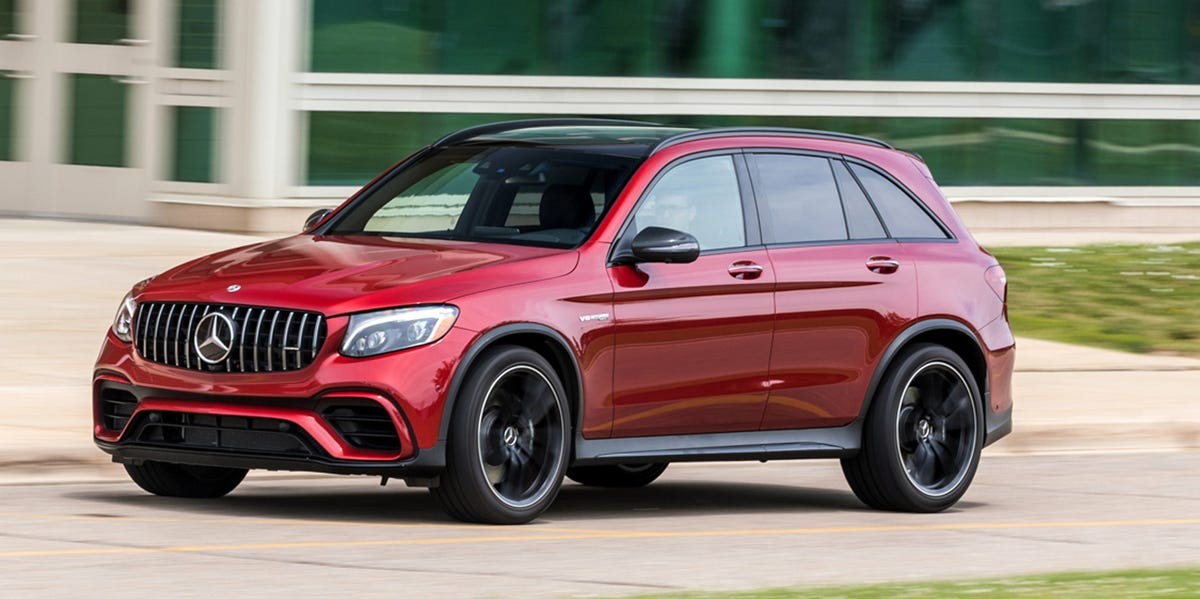
The 2018 model year saw the introduction of the GLC 63, which significantly expanded the lineup. The most noticeable visual difference between the 43 and 63 models is the GLC 63’s distinctive Panamericana-style grille, a nod to Mercedes’ racing heritage from the Carrera Panamericana races of the 1950s.
The AMG GLC 43 offers a balance between sporty design and enhanced performance, while the GLC 63 is a true high-performance SUV, embodying the traditional AMG spirit.
Pricing and Value
The original MSRP for these models was:
- GLC 43: $57,245
- GLC 63: $70,895
These price points position the AMG GLC models as premium offerings, reflecting their performance capabilities and luxury features.
Performance and Engineering
The GLC 43 is powered by a twin-turbo 3.0-liter V-6 engine, producing 362 horsepower, while the GLC 63 boasts a hand-built 4.0-liter twin-turbo V-8 engine. The GLC 63 also features AMG’s Speedshift MCT nine-speed automatic transmission, high-performance braking systems, and a mechanical limited-slip rear differential.
Mercedes-AMG performance is optimized for straight-line speed, with the vehicles squatting on their tires as they accelerate. While cornering is enhanced by the fat tires, the overall driving experience might be too firm for some buyers.
Interior and Comfort
Both AMG GLC models come standard with flat-bottom, leather-covered steering wheels and AMG instrument clusters. The GLC 63 features sport seats with additional bolstering, while the GLC 43 offers them as an optional upgrade. The interiors are well-designed but on the entry-level side of Mercedes luxury, with MB-Tex faux leather upholstery standard in both models. Cargo space is generous at 56.5 cubic feet with the rear seats folded, though the Coupe variant offers slightly less capacity due to its fastback design.
Infotainment and Technology
The GLC 43 includes a 7.0-inch color center screen with media interface and Keyless Go. The GLC 63 upgrades to an 8.4-inch screen with a trackpad and COMAND system, providing navigation and driver-control features.
Safety and Reliability
Crash test results from the National Highway Traffic Safety Administration (NHTSA) and Insurance Institute for Highway Safety (IIHS) are available on their respective websites for more detailed information.
The Mercedes-AMG GLC models represent a compelling blend of luxury, performance, and utility. By bridging the gap between high-end SUVs and sports cars, they cater to drivers seeking a dynamic driving experience without sacrificing comfort or practicality.