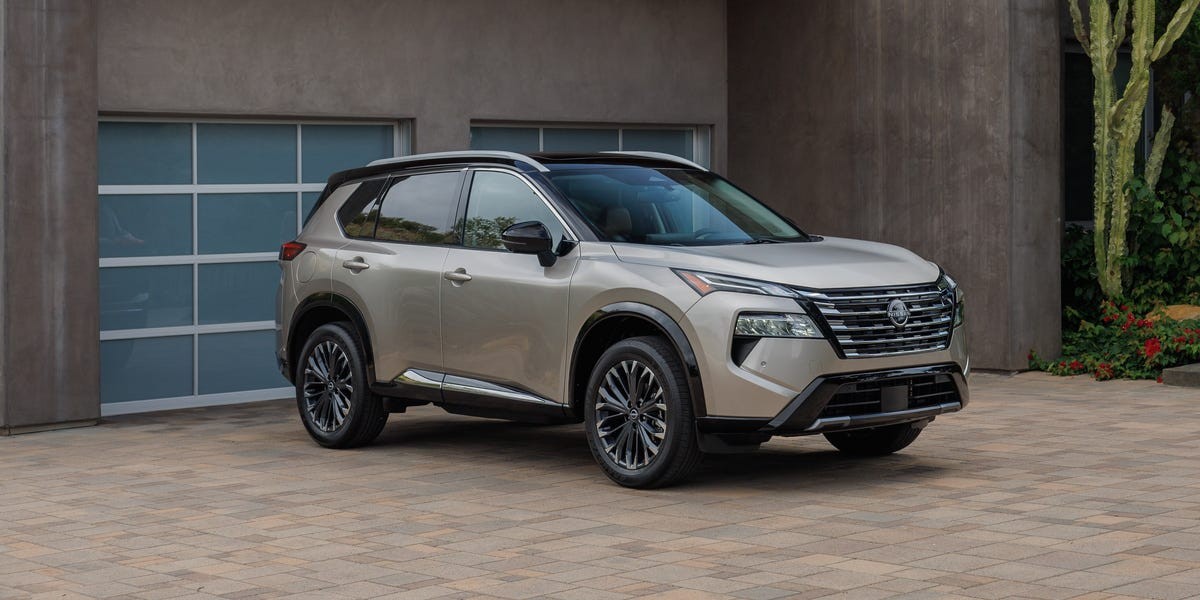
Nissan is conducting a widespread recall affecting 318,781 Rogue SUVs from the 2024 and 2025 model years. The issue centers around a potential fracture in the electronic throttle body gears, which could render the vehicle immobile.
The Problem: Electronic Throttle Control
The recall applies to all Rogue SUVs equipped with Nissan’s 1.5-liter three-cylinder engine. According to documents filed with the National Highway Traffic Safety Administration (NHTSA), the problem stems from a diagnostic routine that runs during vehicle startup. This routine forces the throttle gears to fully close against a physical stopper, and over time, this process can weaken or break the gears within the Electronic Throttle Chamber (ETC).
The Engine Control Module (ECM) software is the root cause of this mechanical stress. The repeated high-force rotation against the stopper fatigues the gears. If a gear fails, it can jam the entire throttle mechanism, preventing the engine from delivering power to the wheels.
Recall Details and Impact
Nissan estimates that 100% of the affected vehicles are susceptible to this issue. This is not a random failure; it’s a design flaw in how the diagnostic test operates. The company has not yet announced a fix but will notify owners and dealerships on how to proceed once available.
This recall highlights the growing complexity of modern vehicle systems. Electronic components, while improving efficiency, can introduce new failure points. The ECM-controlled throttle is designed to improve fuel economy and performance, but the diagnostic routine creates an unintended mechanical stress.
What This Means for Rogue Owners
If you own a 2024 or 2025 Nissan Rogue with the 1.5-liter engine, contact your local Nissan dealer or check the NHTSA website for recall updates. Until a fix is available, drivers should be aware of the potential for sudden engine failure. The issue doesn’t present any immediate safety risk beyond the vehicle becoming inoperable, but it could leave drivers stranded.
The high recall percentage indicates that Nissan has identified a systemic flaw rather than an isolated manufacturing defect. The company will need to address this issue comprehensively to restore confidence in the Rogue’s reliability.