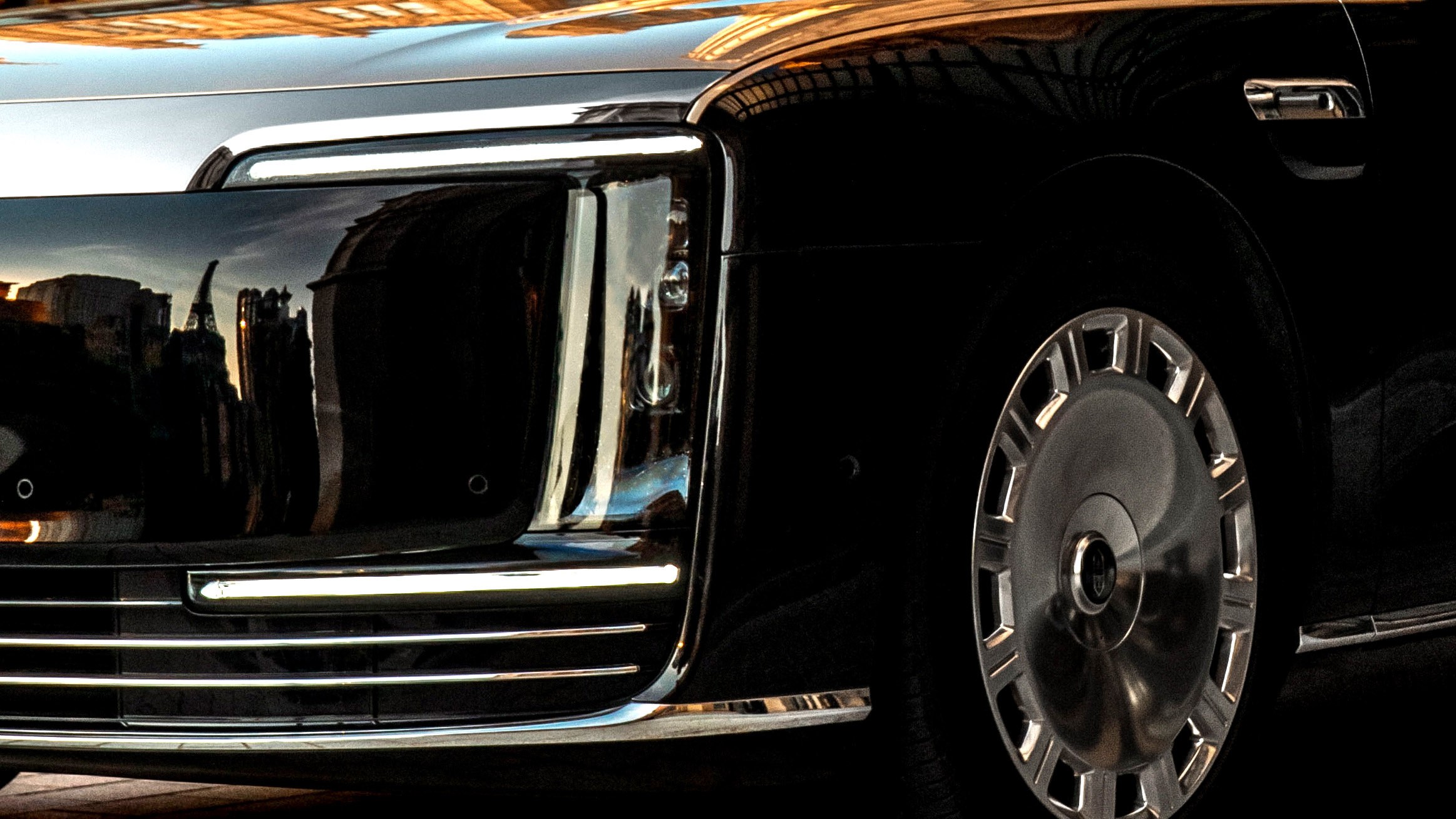
A year ago, the idea of a Chinese newcomer challenging established luxury brands like Maybach and Rolls-Royce seemed improbable. Now, Huawei’s Maextro S800 is not only competing but leading China’s ultra-premium car market. The flagship sedan has become the top-selling vehicle priced above $100,000, outselling the Porsche Panamera and BMW 7-Series combined in November. This shift highlights a critical change in Chinese consumer behavior: increasing preference for domestic brands, even at the highest price points.
The Rise of Domestic Luxury
For decades, European automakers dominated China’s luxury car segment. However, local buyers are increasingly choosing Chinese brands, driven by competitive pricing, advanced technology, and national pride. The Maextro S800 has captured 18,000 orders in just 175 days, selling over 2,000 units monthly with plans to scale production to 4,000. This isn’t just about affordability; it’s about offering features that rival or exceed those of established competitors.
Price, Features, and Huawei’s Tech Edge
The Maextro S800 is a full-size luxury sedan, measuring 215.7 inches long, yet is priced between $100,600 and $144,900. This undercuts competitors like the BMW 7-Series ($130,000), the Porsche Panamera ($156,200), and the Mercedes S-Class ($208,800) significantly.
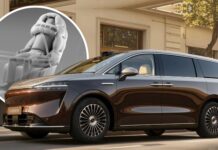
But it’s not just about the price tag. The S800 boasts a triple-screen dashboard, a 40-inch rear projector transforming the back seat into a private cinema, automatic doors, and a Rolls-Royce-inspired starlit ceiling. The cabin features premium wood and leather finishes, integrated with Huawei’s advanced driver-assistance systems (ADAS).
“Maextro S800 is the first time that a Chinese brand has managed to get a foothold in the 1 million yuan ultra-luxury segment,” says Richard Yu, Chairman of Huawei’s Consumer Business Group. “We’re in the intelligence and electrification era and we’re leading through smarter technologies and innovation.”
The Broader Trend: German Giants Losing Ground
BMW, Mercedes, and Audi are facing shrinking market share in China, struggling to match the speed and innovation of local competitors. While Huawei’s immediate challenge is sustaining momentum, other Chinese brands like BYD’s YangWang (with models like the U8 SUV and U7 sedan) are also entering the six-figure price range, further intensifying competition.
This disruption is a clear signal: the global luxury car market is undergoing a fundamental shift, with China’s domestic brands poised to seize a larger share. The question now isn’t if Chinese automakers will dominate their home market, but how quickly they will expand their influence globally.