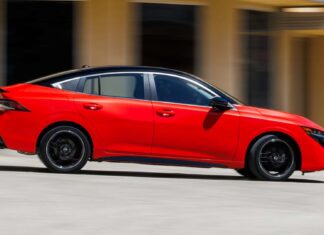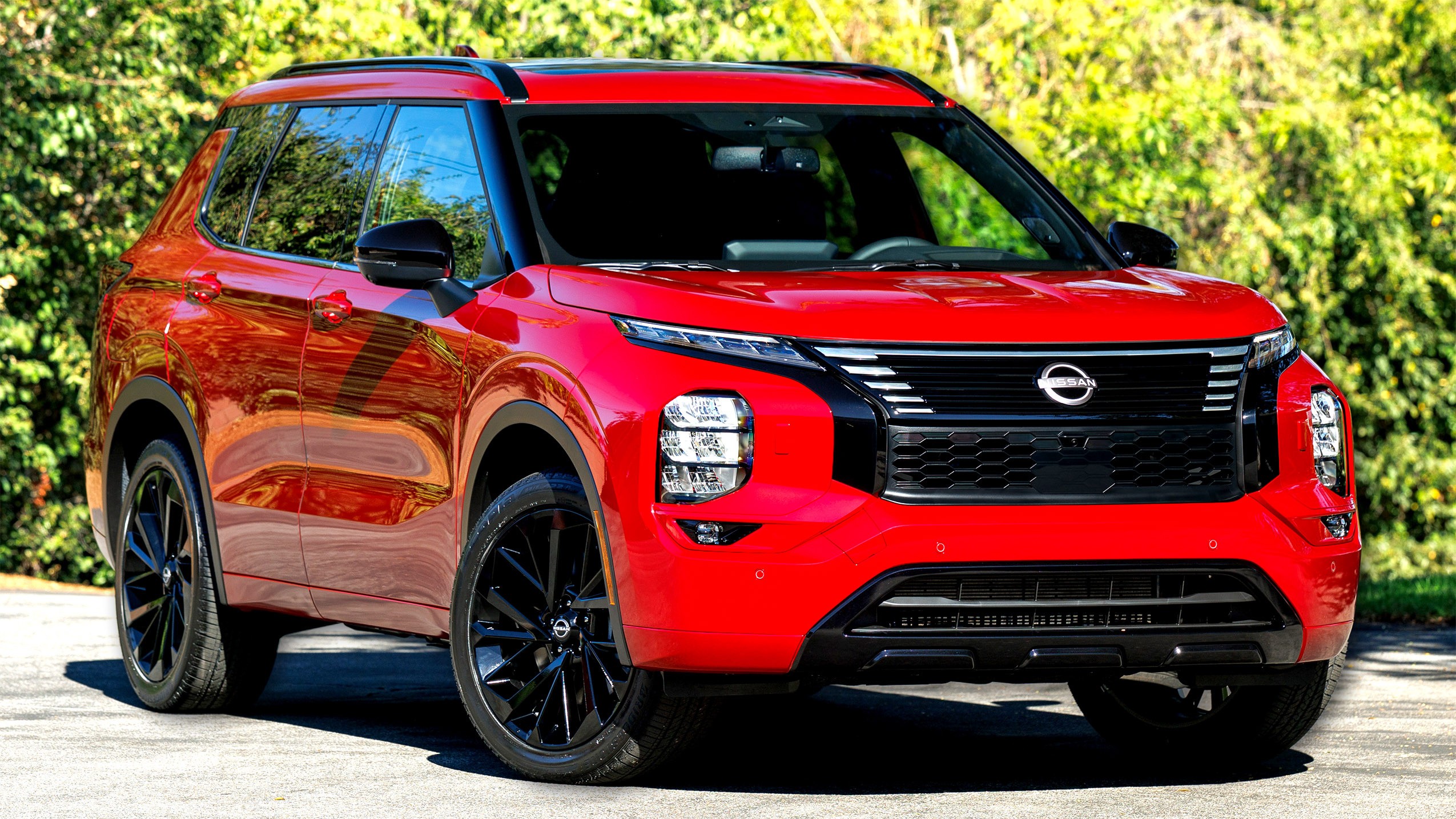
Nissan has unveiled pricing for its 2026 Rogue Plug-In Hybrid, starting at $45,990. This figure is notably higher – by $16,900 – than the base price of the standard Rogue. The catch? The hybrid model is essentially a rebadged version of the Mitsubishi Outlander PHEV, raising questions about value and branding strategy.
A Costly Upgrade
While both vehicles share a name, they diverge significantly in price and features. The Mitsubishi Outlander PHEV starts at $40,445 (before destination charges), making Nissan’s offering the more expensive choice. However, Nissan justifies this by offering only two fully-equipped trims compared to the Outlander’s five. This approach suggests Nissan is targeting buyers who prioritize premium features over price sensitivity.
Trim Levels and Features
The Rogue Plug-In Hybrid comes in two trims: SL and Platinum.
SL ($45,990) : Includes rain-sensing wipers, a motion-activated liftgate, 20-inch black wheels, a leather-wrapped steering wheel, heated front seats, a 12.3-inch digital instrument cluster, and a 9-inch infotainment system with smartphone integration.
Platinum ($49,990) : Adds roof rails, a panoramic moonroof, leather upholstery, heated rear seats, a Bose premium audio system, and tri-zone climate control.
Both trims come standard with a comprehensive suite of driver-assistance features: ProPILOT Assist, Intelligent Cruise Control, Automatic Emergency Braking, and more. Nissan is positioning the Rogue Plug-In Hybrid as a technology-rich vehicle, but at a premium cost.
Performance and Powertrain
Under the hood, the Rogue Plug-In Hybrid combines a 2.4-liter four-cylinder engine with two electric motors and a 20 kWh battery pack. The system delivers 248 hp and 332 lb-ft of torque, with an all-electric range of 38 miles. All-wheel drive is standard.
Why This Matters
Nissan’s decision to rebadge the Mitsubishi Outlander PHEV and price it aggressively higher than the original raises questions about brand positioning. It suggests the company is betting on the Nissan name and upscale features to justify the cost difference. The move also highlights the growing trend of automakers collaborating on hybrid and electric platforms to reduce development costs.
The price difference will likely deter some buyers, but Nissan’s strategy may succeed in attracting those who prioritize brand perception and a fully-loaded trim over outright affordability.