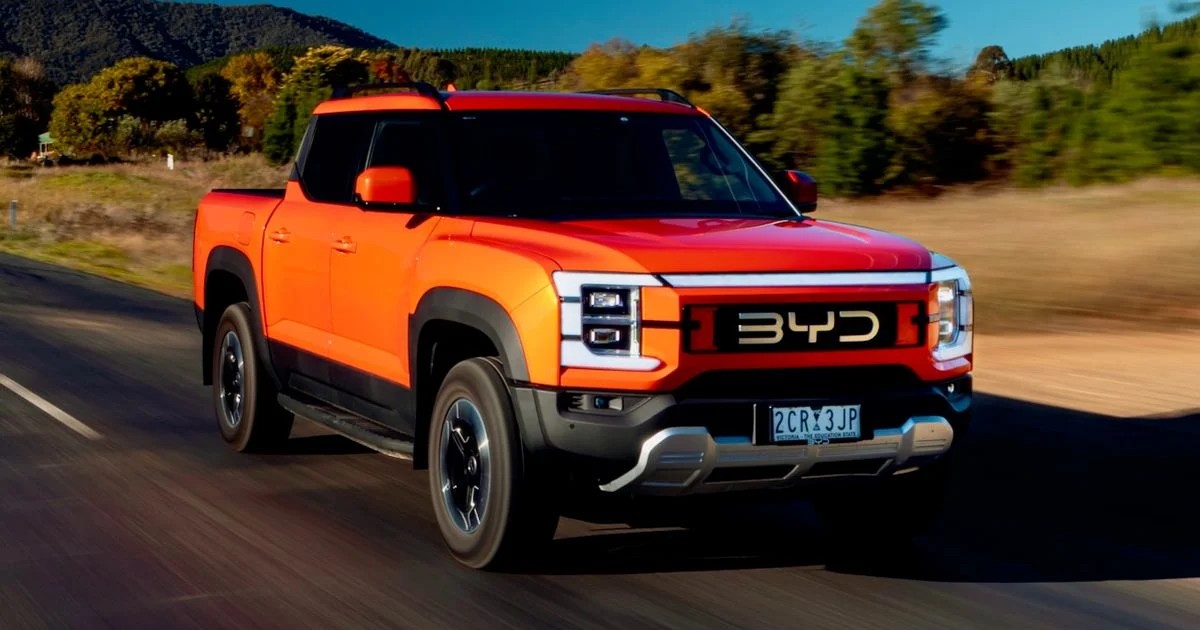
The 2026 BYD Shore 6 Performance exists to answer two burning questions. First. Can it tow properly? Second. Does it look ridiculous trying?
When the original Shark 6 launched in late 2023, everyone loved it. It was the first PHEV ute in Australia. It drove like a premium sedan. It drank petrol like it wasn’t thirsty at all. But then people realized the towing cap was capped at 2500 kg. Not enough. And off-road? It felt shy.
Enter the Performance. It swaps the tiny 1.5L engine for a 2.0L. Towing jumps to 3500 kg. Brakes get bigger. Suspension gets tougher. BYD added “Crawl Mode” because four-wheel drivers were yelling about it on social media.
So is the upgrade worth the cash? Let’s see.
The Money Pit
The Shark 6 Performance sits on top of the range. It costs $500 more than the Premium trim. Another $7000 hits if you go down to the barebones Dynamic cab chassis.
Is it worth it? Probably not, unless you actually need that extra tow capacity. For the same price, you can buy a Ford Ranger PHEV. Or the GWM Cannon Ultra PHEV. If hybrids bore you, look at the Triton, Kia Tasman, BT-50, or Hilux. The market is crowded. BYD needs more than just hype.
“The extra cost isn’t just marketing fluff. It’s new hardware.”
Inside the Cabin
Fit and finish is still great. Solid. But BYD changed things I didn’t ask to change.
First. Goodbye aircraft-style toggle switches in the center console. They’re gone. Replaced by boring, generic buttons. Sure, they work fine. But they lacked soul. The old toggles made you feel like you were flying a plane. Now? You’re in a Toyota. Maybe.
The steering wheel also changed. The four-spoke leather wheel is now a two-spoke pleather unit. Cheaper touch. Cheaper look. The drive mode selector moved from the wheel to a thumb stick on the console. Weird place for it.
Then there is the shifter. BYD removed the T-bar PRND lever. Now you change gears with a stalk behind the wheel. Wait. Which stalk?
The indicator stalk? Yes. Left hand turns the car left. Right hand changes gear? No, that’s wrong too. The indicator stalk is on the left. It controls indicators AND wipers. The gear selector is the old right-side indicator stalk position.
Imagine stopping at lights. You want to signal right to turn. You flip the gear selector. The car goes into neutral.
This is a dangerous design trend. Most buyers over 40 have decades of muscle memory. They will mess up. It feels lazy from BYD. A fleet company buying ten of these? Their drivers will panic.
Otherwise, the interior holds up. Build quality rivals the Ranger. Seats are powered, adjustable, comfy. Steering column is manual but gets the job done. The 15.6-inch screen runs fast, but menus are buried. We miss physical buttons for lights.
Rear seat space is generous. Up to six feet tall can sit comfortably. One note: the B-pillar lip caught my ankle getting out. Annoying, but manageable.
Cargo tub is 1200 liters. Fits Aussie and Euro pallets.
Under the Hood
2.0L vs 1.5L. On paper? Boring.
Premium makes 321kW/650Nm. Performance makes 350kW/700Nm. 0-100 km/h drops from 5.7 to 5.5 seconds. A fraction of a second.
But there is a psychology angle. 1.5L sounds weak for a ute. Uncle Bob at Christmas will judge you. 2.0L feels robust. Socially acceptable.
Electric range dropped though. 80 km EV only. Down from 100. Why? New WLTP testing standards, not lazy batteries. Combined range is now 640 km WLTP (down from 800 km NEDC).
Fuel consumption is 1.3 L/100km if the battery is above 25% charge. Below that? It sips 10.5 L/100km from the tank. Still efficient.
Driving Dynamics
This is where the difference shows. Not in speed. In personality.
The 1.5L premium engine whined. Like a lawnmower at max revs. High pitched. Stressful.
The 2.0L? Humming. Relaxed. Confident. It doesn’t scream when you mash the pedal. It just eats the road.
Power delivery is smoothed out. The front motor pumps 200 kW (up from 170 kW). But it doesn’t feel like a rocket. Electric motors are mapped to hold back power until needed. It feels controlled, not frantic. Still faster than a Ranger Raptor to 10, but who’s really going 10-60?
Suspension is firm. On the highway? Great. Flat through corners. For a 2.7 tonne ute, it surprises. It hides the weight. Better than most brands that just numb the steering to trick you.
Off-road? Different story. We hit some gravel near Anglesea. Bumps hurt. The suspension is too stiff for loose trails. It throws the energy at your spine, not into the bush.
But Crawl Mode helps.
It’s buried in the touchscreen menu. Annoying. You tap a button, agree to terms and conditions, then activate. It softens the throttle below 12 km/h. Traction control becomes hyper-vigilant. Prevents wheel spin. We tested it on steep gravel inclines. Worked. Better than nothing. The Continental tires surprised us with grip, even at road pressures.
BYD added a “tug-of-war” button too. Sounds silly. Helps when recovering a stuck buddy with a snatch strap. Clever? Maybe. Useful? Yes.
Verdict
The Shark 6 Performance fixes the towing anxiety. The engine noise is gone. The interior loses its unique quirks but gains reliability. The interface needs work, specifically around gear shifting and menu navigation.
Is it perfect? No. Nothing is. It’s a solid compromise. You get the tech. You get the range. You lose some soul.
Still better than most?
“The software bugs need fixing before you hit the dirt. Otherwise, just drive it like a car.”