Subaru is facing a significant downturn in sales, headlined by a sharp decline in demand for its flagship Outback model. Recent data reveals that the transition to a redesigned vehicle has coincided with a substantial drop in volume, raising questions about whether the brand’s shift in design philosophy is alienating its core customer base.
The Outback’s Identity Crisis
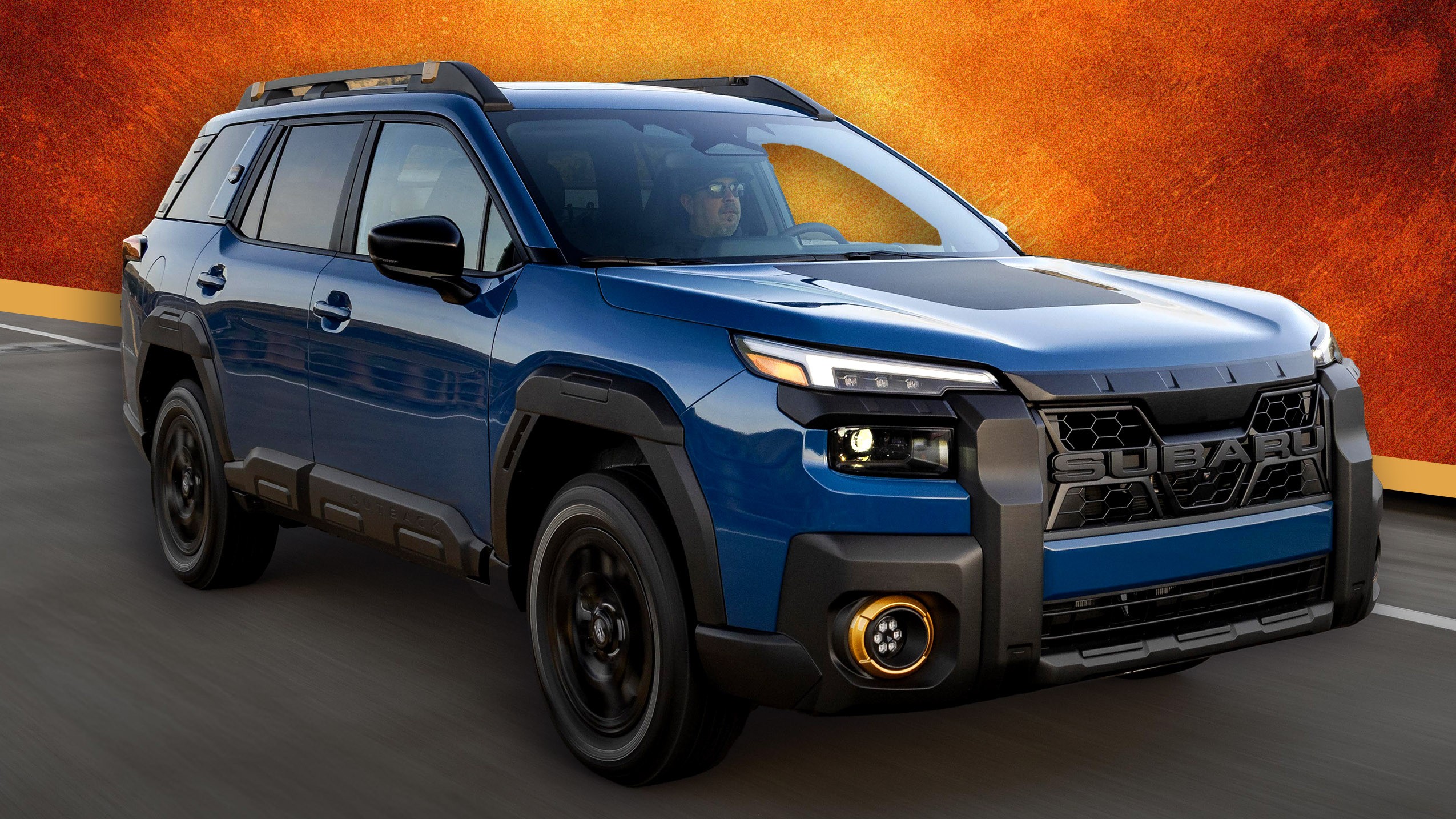
For years, the Subaru Outback occupied a unique niche: a rugged, versatile crossover that retained the soul of a station wagon. However, the latest overhaul has leaned more heavily into traditional SUV styling, moving away the very “wagon” identity that many loyalists prized.
The impact on sales has been immediate and severe:
– Monthly Decline: In March, Subaru delivered only 10,004 Outbacks, a 42.9% drop compared to the previous month when the older model was still being sold.
– Quarterly Performance: Total Q1 sales for the Outback reached 27,074 units, representing a 32.2% decrease compared to the same period in 2025.
– Projected Annual Trend: If current trends hold, Subaru may sell roughly 109,000 units this year—a massive drop from the 168,771 units sold in 2024.
Beyond the design changes, price sensitivity appears to be a major factor. The new model carries a price tag approximately $5,000 higher than its predecessor. In an economic climate where consumers are increasingly cautious about rising vehicle costs, this premium may be a barrier to entry for many traditional Outback buyers.
A Broad Decline Across the Lineup
The struggles aren’t limited to the Outback; Subaru is seeing a general contraction in sales across much of its portfolio. Total company sales fell 14.9% in Q1, with March specifically seeing a 23.5% decline.
Model-by-Model Breakdown
The downturn is visible across several key segments:
– Ascent: Sales dropped 27.5% in March.
– Crosstrek & Forester: Both saw double-digit or near double-digit slips, with the Crosstrek down 13.5% and the Forester down 9.6%.
– Impreza & Legacy: The Impreza saw a massive 50.9% decline, while the Legacy plummeted 83.5% (though this is largely attributed to its discontinuation).
– WRX: Deliveries fell by 17.3%.
Small Wins and Electric Shifts
Despite the overall downward trend, the data is not entirely bleak. The Forester showed resilience with an 8.6% increase in Q1 sales, and the BRZ remained essentially flat.
Most notably, the all-electric Solterra provided a rare bright spot in March, with sales jumping 50.4% compared to the previous year. While the Solterra’s total Q1 numbers are still down slightly (2.9%), its recent momentum suggests that Subaru’s electric offerings are finding some traction even as internal combustion models struggle.
The decline in Outback sales highlights a difficult balancing act for Subaru: attempting to modernize a classic model through SUV-style redesigns and higher price points without losing the specific demographic that built the brand’s success.
Conclusion
Subaru is navigating a challenging period characterized by a significant sales contraction, driven largely by a controversial redesign and higher pricing for its most popular models. While electric growth offers a glimmer of hope, the brand must reconcile its new design direction with the expectations of its traditional customer base to regain its footing.