Polestar Australia is lobbying against potential adjustments to the nation’s electric vehicle (EV) incentives, arguing that now is not the time to alter a policy designed to boost EV adoption. The Australian Government initiated a review in December of its EV subsidy scheme, which has been in place since July 2022.
Currently, EVs priced under the Luxury Car Tax (LCT) threshold – roughly $91,387 for 2025-26 – qualify for Fringe Benefits Tax (FBT) exemptions. This benefit can save novated lessees substantial amounts annually, and government estimates show around 100,000 buyers have already taken advantage of the program. The ongoing review could lead to the scheme being extended, modified, or terminated.
Scott Maynard, Managing Director of Polestar Australia, insists stability is crucial. “The government’s goal is 50% EV market share by 2035. They’re far from that target, and the current trajectory doesn’t indicate progress.” He argues that the program hasn’t been overspent; rather, it may have been underfunded given its limited impact so far.
EV Market Growth in Australia
Since the introduction of the FBT exemption nearly four years ago, EV market share has increased. In 2022, EVs represented 3.8% of new vehicle sales; last year, this rose to 8.3% (excluding heavy commercial vehicles). Though still below the government’s long-term goals, the trend is positive. According to Maynard, any changes now would be premature, especially given that EV adoption is finally gaining traction.
“At the first sign of success, dismantling or changing the program would be counterproductive.”
Polestar also calls for a reevaluation of FBT incentives for combustion vehicles, particularly diesel-powered dual-cab utes. These vehicles can also qualify for FBT exemptions under strict conditions: employers must ensure limited private use and maintain meticulous records. The ATO requires proof that the utes aren’t used for personal trips or as family vehicles.
Maynard suggests that if the government seeks to streamline FBT subsidies, it should prioritize the billions spent on dual-cab utes over EVs. “We’re selling one and a half times more utes than there are tradespeople,” he points out. “These vehicles often come with FBT subsidies exceeding $200,000.”
Polestar’s Position
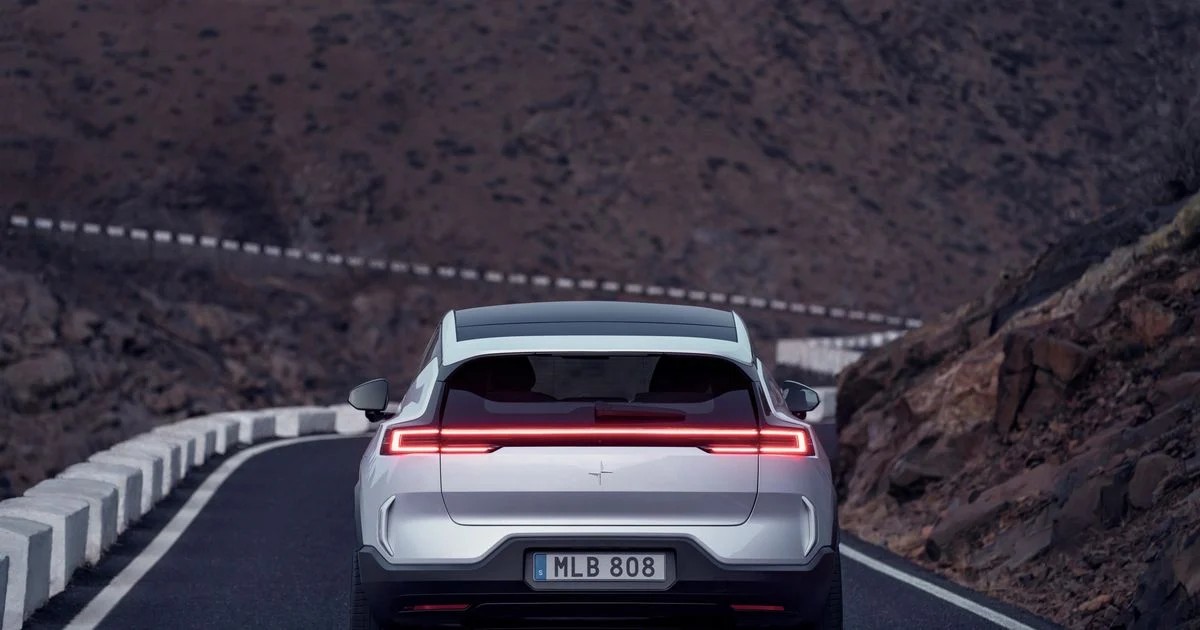
As an EV-only brand, Polestar naturally benefits from these incentives. The Polestar 2 and Polestar 4 models both fall under the LCT threshold, making them eligible for FBT exemptions. The Polestar 3, however, does not qualify.
The debate highlights a broader tension between short-term budgetary concerns and long-term environmental goals. While the government assesses the cost-effectiveness of EV incentives, Polestar argues that stability is essential to encourage further EV adoption and meet Australia’s 2035 target.
The government’s decision will likely shape the future of EV uptake in Australia, and the industry awaits the outcome with keen interest.