Ford Motor Company experienced a mixed sales performance in February, with significant gains in its large SUV segment offset by declines in overall sales and a sharp drop in electric vehicle demand. While the company’s total sales fell 5.5% last month, certain models bucked the trend, showcasing shifting consumer preferences.
SUV Demand Drives Bright Spot
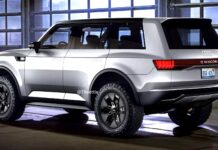
The Bronco, Explorer, and Expedition led the charge, with combined sales increasing by over 25%. The Explorer saw the most substantial year-over-year growth at 33.4%, with 20,100 units sold. The Bronco followed with a 27.6% increase, and the Expedition rose by 26.2%. This strong performance in larger SUVs suggests consumers are prioritizing space and utility, potentially reflecting lifestyle trends or economic factors that favor bigger vehicles.
F-Series Slump Raises Concerns
Despite the SUV gains, Ford’s flagship F-Series pickup truck experienced a notable decline. Sales dropped 16.2% in February and are down 17.2% year-to-date. This decrease in the company’s best-selling model is a key indicator of broader challenges. The F-Series slump could signal weakening demand for traditional trucks, influenced by factors like changing consumer preferences or increased competition.
Mustang and Lincoln Buck the Trend
Ford’s Mustang sales defied the overall downturn, surging by 54.5% in February. Lincoln also showed strength, with total sales up 11% year-to-date, driven by a 50.1% increase for the Aviator and a 31.8% gain for the Navigator. These luxury brand gains suggest a segment of consumers remains resilient to economic headwinds, indicating that demand for higher-end vehicles is holding steady.
EV Sales Suffer as Incentives End
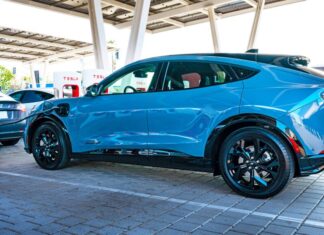
The most striking decline came from Ford’s electric vehicle (EV) segment. The Mustang Mach-E saw sales plummet 54.6%, while the F-150 Lightning fell even further, dropping 76.3%. The end of federal EV incentives appears to have significantly cooled demand, as evidenced by a 70.3% decrease in overall EV sales through February. This steep drop suggests that government subsidies played a crucial role in driving early EV adoption, and without them, sales struggle.
Ford faces a complex sales landscape: strong demand for SUVs and luxury models is being offset by weakness in its core truck business and a dramatic decline in EV sales. The company’s future performance will likely depend on its ability to adapt to these shifting market dynamics.