


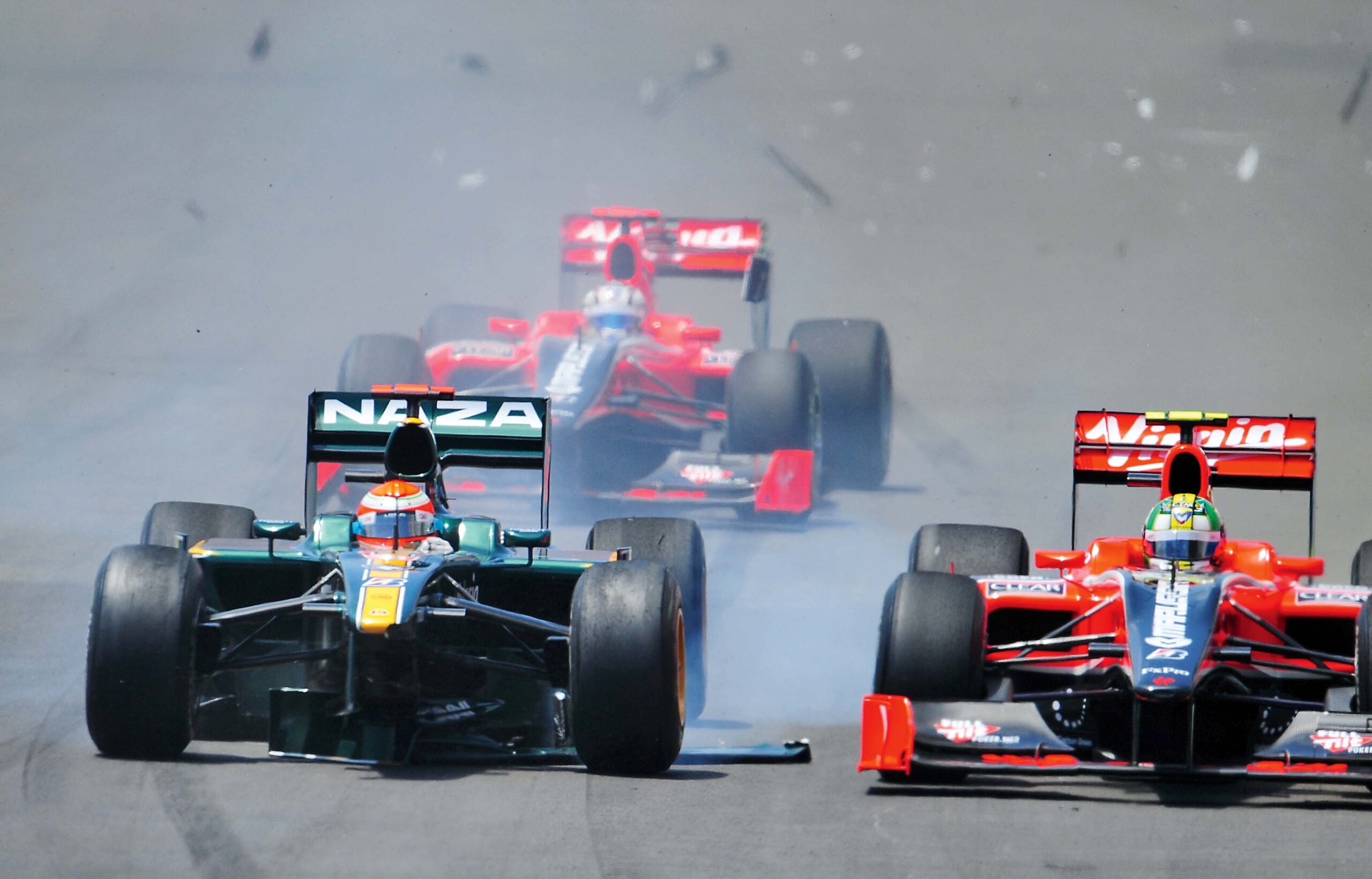
The arrival of Cadillac and Audi in Formula 1 this weekend is a rare event in modern motorsport, marking a significant shift in the sport’s landscape. This contrasts sharply with the last time multiple new teams attempted to join the grid – in 2010, when a perfect storm of economic crisis and internal conflict led to near-total failure.
The Economic Backdrop
The late 2000s were a brutal period for the automotive industry. The 2008 financial crash decimated car sales, and Formula 1, with its famously high costs, was facing an existential threat. Teams like Honda abruptly withdrew, and giants like BMW and Toyota soon followed, leaving gaping holes in the sport’s lineup.
The FIA’s Radical Solution
In response, the Fédération Internationale de l’Automobile (FIA), motorsport’s governing body, proposed a dramatic solution: a budget cap. Initially set at £140 million, it was later slashed to just £30 million for 2010, with optional technical freedoms as an incentive. This move was designed to attract new entries and stabilize the series.
The Establishment’s Rebellion
The existing teams, united under the Formula One Teams Association (FOTA) and led by Ferrari’s Luca di Montezemolo, vehemently opposed the cap. Montezemolo argued that the FIA’s unilateral decision risked destroying the core principles of F1. For a time, it seemed the established teams would follow through with threats to create a rival racing series, splitting the sport.
A Flood of Applicants
Despite the chaos, the FIA pressed ahead with accepting new entries. The prospect of a low-cost entry point, combined with the vacancies left by departing manufacturers, drew a diverse range of applicants. The quality was…mixed. Serious contenders like Prodrive and Lola were joined by bizarre entries such as Sky Sports Italia (a TV station) and MyF1Dream (a fan-run online project).
The Four That Made It (Briefly)
Four teams were ultimately approved:
– Manor: A British junior series team.
– Lotus Racing: Backed by Malaysian investors.
– Campos Meta: A Spanish collaboration between a junior series team and a marketing firm.
– US F1: Founded by a motorsport engineer and an F1 journalist.
However, the situation quickly unraveled. Campos Meta collapsed before even reaching the first race, while US F1 was plagued by financial issues and failed to participate at all. Manor survived as a last-minute replacement for the failed Campos Meta, but the overall expansion was a disaster.
A Warning From History
The 2010 attempt serves as a stark reminder of how fragile the foundations of Formula 1 can be. The combination of economic turmoil, internal power struggles, and unrealistic expectations led to a near-collapse. Today’s expansion with Cadillac and Audi is different, backed by established automotive giants with deep pockets and a long-term commitment. The past, however, proves that even the most ambitious plans can fail without stability and consensus.


