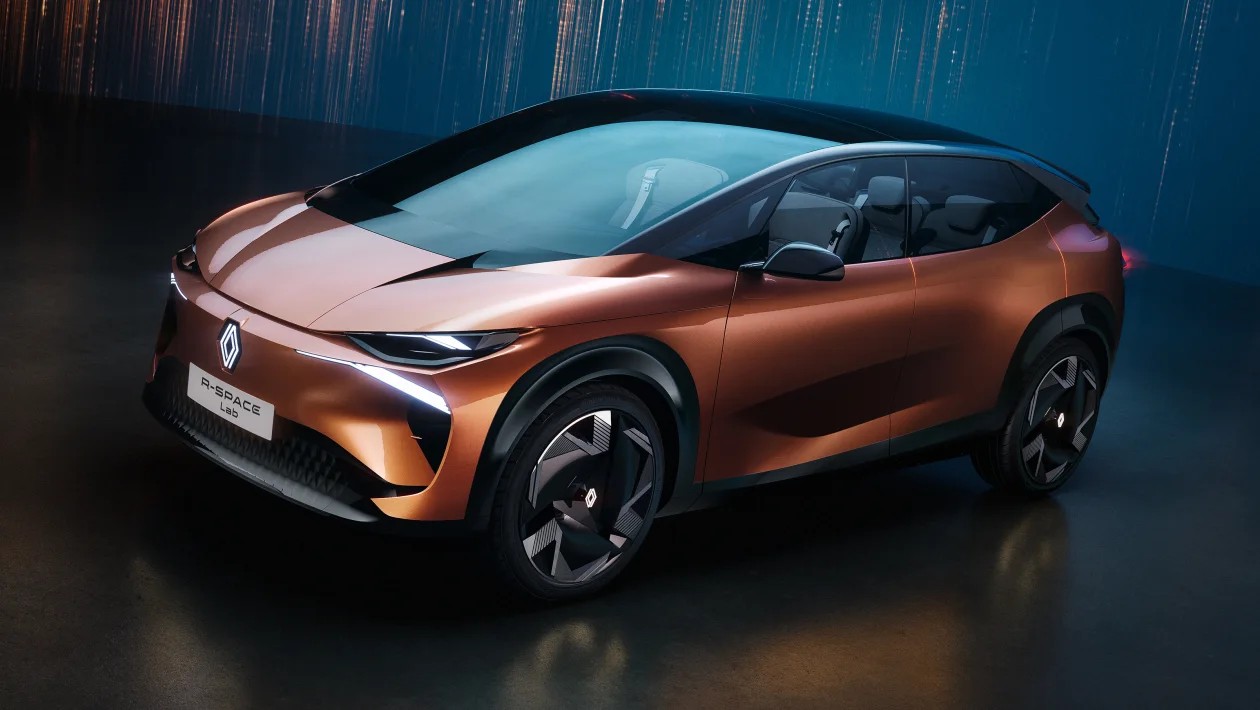
Renault is seriously contemplating a return to the multi-purpose vehicle (MPV) segment with its flagship Espace model, after abandoning the format in 2023 in favor of an SUV. The French automaker unveiled the R-Space Lab concept, signaling a potential shift back to the spacious, family-focused design that once defined the Espace. This move comes as Chinese automakers begin to push MPVs into European markets, potentially reviving demand.
The Shift Back to People Carriers
The R-Space Lab is a 4.5-meter-long, 1.52-meter-tall concept car that’s notably smaller and lower than the current Espace SUV. Renault’s design chief, Laurens van den Acker, calls it a “lab car” intended to explore innovative interior layouts focused on passenger comfort. The concept features a configurable five-seat cabin designed for maximum versatility.
The revival hinges on market demand. While Renault acknowledges that MPVs haven’t been popular lately, the emergence of competitive Chinese models (like the XPeng X9 and Zeekr 9X) suggests a potential turnaround. The company’s five-year plan prioritizes countering this competition, with aggressive development cycles and investment in advanced technologies.
New Platform, Electric Focus
The potential production version of the R-Space Lab would ride on Renault’s new RGEV Medium 2.0 platform. This platform is designed for electric vehicles (EVs) but can also accommodate compact range-extender (REx) hybrid powertrains. The goal is to maximize interior space within a smaller footprint, potentially offering a 500-mile range for full EVs.
The new drivetrain would also include a rear-mounted 266bhp electric motor, a departure from Renault’s traditional front-wheel-drive setups. This change is aimed at improving performance and handling.
Cabin Innovation and Future Tech
The R-Space Lab boasts a spacious, reconfigurable interior with individual rear seats that recline, slide, and fold flat to accommodate cargo. The front passenger seat can even convert into a footrest, pending advanced airbag integration.
Renault is also exploring cutting-edge technology, including steer-by-wire systems (expected by 2027), tactile alcohol detectors, and AI-powered co-pilots for driving assistance. These features indicate the Espace’s potential to be a showcase for Renault’s future vehicle architecture.
The company plans to roll out this new platform in 2028, making the Espace one of the first vehicles to benefit from it. However, the Scenic EV and Rafale coupe-SUV remain higher priorities for now.
Despite the uncertain demand for MPVs, Renault appears willing to test the waters and potentially reshape its flagship model, betting that a well-executed revival could capitalize on a shifting market.