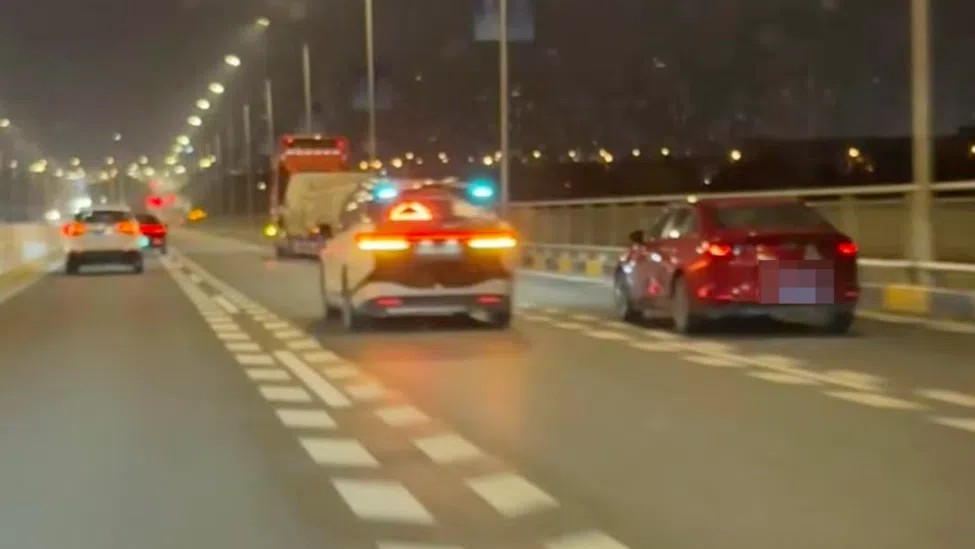
On March 31, 2026, Baidu’s autonomous ride-hailing service, Apollo Go, experienced a widespread system failure in Wuhan, China, leaving numerous passengers stranded for extended periods on elevated highways and major roads. The incident highlights critical vulnerabilities in current robotaxi technology and raises serious questions about the readiness of fully autonomous systems for public deployment.
System-Wide Paralysis
Starting around 9:00 PM local time, reports flooded social media detailing the “collective paralysis” of Apollo Go vehicles across Wuhan. Passengers described cars abruptly stopping in the middle of busy roads, with some trapped on elevated highways for nearly two hours. The company’s customer service attributed the issue to “abnormal driving system” problems stemming from network issues.
Harrowing Passenger Experiences
Wuhan resident Mr. Lu recounted being stranded on the Third Ring Road, an elevated highway, for almost two hours while large trucks sped past. The vehicle’s SOS button was ineffective, and calls made through the in-car system were automatically disconnected. After an hour-long wait for promised assistance, Mr. Lu contacted the police, who, along with Apollo Go staff, finally helped him exit the highway around 11:00 PM.
Another passenger, Ms. Zhou, experienced a similar ordeal. Her vehicle displayed warnings about a malfunction, then stopped abruptly on an elevated highway. Despite struggling to reach emergency services and waiting for over 90 minutes for help, she was eventually assisted by traffic police. Shockingly, Ms. Zhou was still charged the full fare for the failed ride.
Lack of Transparency and Accountability
The incident’s scale was evident from numerous online posts, all reporting difficulties reaching customer service and long delays for assistance. When questioned, an Apollo Go representative claimed ignorance of the broader Wuhan incident, demanding specific vehicle numbers for investigation. As of the time of publication, the company had not issued a public statement. This lack of transparency raises concerns about accountability for safety failures in autonomous systems.
The Broader Context
This incident is not isolated. A similar event occurred in Zhuzhou last December, leading to a suspension of robotaxi operations in that city. Apollo Go has accumulated over 240 million kilometers of autonomous driving mileage, including 140 million kilometers fully driverless, operating in 22 cities globally with over 17 million completed rides. However, these incidents demonstrate that even extensive testing doesn’t eliminate the risk of catastrophic failures.
The incident in Wuhan occurred in a major metropolis, China’s eighth-largest city with nearly 14 million residents. While no injuries were reported, the potential for widespread traffic paralysis and passenger endangerment is real. This failure underscores that the technology is still not ready for wide-scale public use.
The Apollo Go breakdown in Wuhan is a clear warning: autonomous systems, despite advancements, remain vulnerable to widespread malfunctions with significant consequences for passenger safety and urban mobility.