Clever shoppers often avoid the newest car models in favor of the versions just before them—a strategy that can save time, money, and frustration. Automakers routinely update existing designs with “facelifts” to keep sales strong, but the real advantage lies in letting someone else break in the latest tech and iron out early issues.
Why Newer Isn’t Always Better
New models are notorious for teething problems. Major recalls are common within months of launch, as manufacturers refine assembly lines and software. While over-the-air updates now fix many glitches, no one wants to deal with buggy infotainment or unreliable connections in a brand-new car. The desire for the latest features is strong, but waiting allows the hype to settle and potential headaches to resolve.
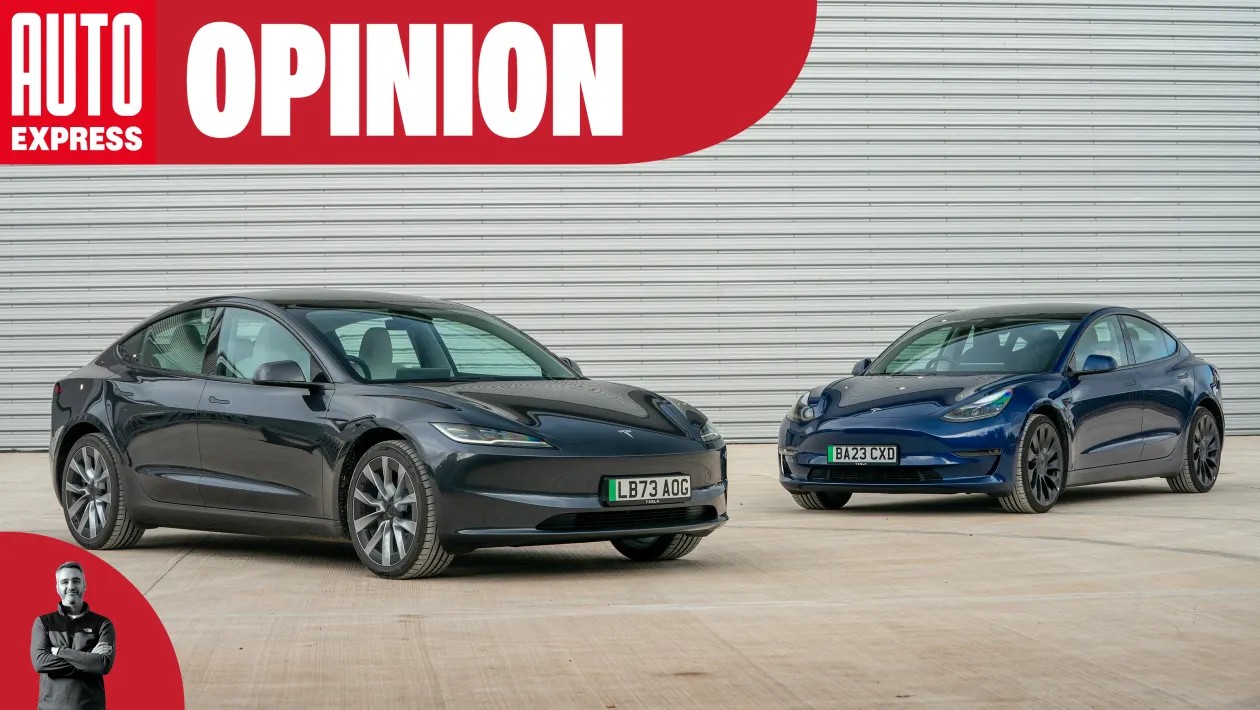
The Benefits of a Facelifted Model
Choosing a facelifted car (a mid-cycle update) means you get the newest look and features without the early adopter’s risks. These vehicles benefit from thousands of hours of user testing and real-world data —development doesn’t stop when a car is released. Manufacturers continue to improve even after launch, and buyers reap the rewards.
Run-Out Specials: The Sweet Spot
The best deal often comes with “run-out” special editions. After seven or eight years on the market, these cars are free from major software errors, ergonomic flaws, and quality concerns. They’re typically loaded with premium features (better trim, larger screens, exclusive wheels) and sold at aggressive prices. Dealers are eager to clear inventory, offering spectacular finance deals to move them quickly.
The real advantage lies in letting someone else be the first to experience the inevitable early hiccups.
Ultimately, skipping the newest model and opting for a well-tested facelift or run-out special is a smarter, more practical choice for most buyers. You get the latest benefits without the initial pain points—a win-win scenario.