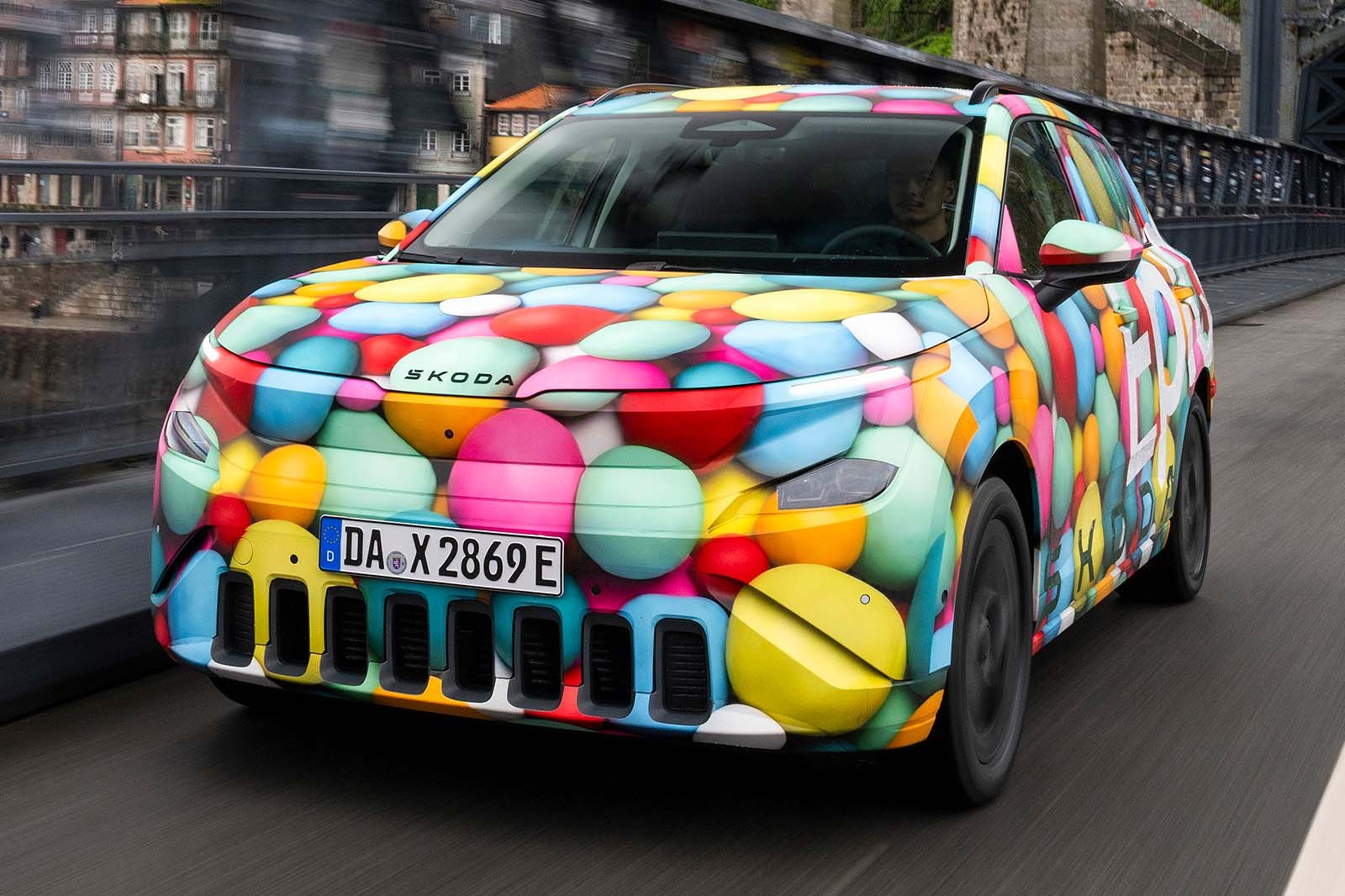
Skoda’s upcoming Epiq electric vehicle is set to disrupt the compact EV market with a blend of practicality, affordability, and the brand’s signature engineering. This first drive review details key features, performance expectations, and pricing for the 2026 model, positioning it as a compelling alternative to rivals like the Renault 4 and Citroën ë-C3.
Design and Platform
The Epiq follows Skoda’s “Modern Solid” design language, featuring the Tech Deck face with distinctive T-shaped light signatures and an integrated sensor panel. Built on the Volkswagen Group’s MEB+ platform – shared with the Cupra Raval and upcoming VW ID Polo/Cross – the Epiq marks a shift for Skoda EVs, adopting a front-motor layout instead of the rear-drive setup found in the Enyaq and Elroq.
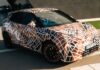
This platform choice is significant: it allows for greater flexibility in drivetrain configurations and potentially lowers production costs. The Epiq’s design, while currently under camouflage, aims to provide a modern yet understated aesthetic.
Trim Levels and Performance
Skoda plans three primary trims: Epiq 35, Epiq 40, and Epiq 55. The base Epiq 35 comes with a 37kWh lithium-iron-phosphate (LFP) battery and a 114bhp motor, delivering around 192 miles of range. Pricing is expected to start around £25,000, aligning with the Kamiq’s price point.
The Epiq 40 upgrades the motor to 133bhp while retaining the 37kWh battery. The top-spec Epiq 55 boasts a larger 52kWh nickel-manganese-cobalt (NMC) battery and a 208bhp motor, extending the range to 267 miles, with an estimated price of £30,000.
Charging speeds vary by model: the 35 and 40 support up to 50kW and 90kW respectively, while the 55 peaks at 133kW, enabling a 10-80% charge in approximately 23 minutes. This rapid charging capability positions the Epiq competitively against other budget EVs.
Interior and Technology
The Epiq’s interior closely mirrors those of its platform siblings (Elroq, Raval). It will offer Studio, Loft, and Suite trim levels, all utilizing recycled materials. The standard configuration includes a 5.2in digital instrument cluster and a 13in infotainment touchscreen, though the software platform remains unconfirmed.
Space is generous for the class: rear headroom is ample thanks to a sculpted roofline, and the 475-liter boot comfortably exceeds rivals like the Renault 4 (420 liters) and Citroën ë-C3 (310 liters). While rear passenger space is adequate, three adults may find it tight.
Driving Impressions
Initial driving impressions confirm the Epiq embodies Skoda’s reputation for solid engineering. Steering is precise, though lacks significant feedback. The ride quality is pliant and controlled, striking a balance between firmness and comfort thanks to a conventional suspension setup (MacPherson struts up front, torsion beam in the rear).
The Epiq effectively filters out road imperfections but struggles with sharp intrusions like potholes. It feels slightly firmer than the Elroq but remains well-damped. Overall, the Epiq provides a familiar and reassuring driving experience consistent with Skoda’s brand identity.
Conclusion
The 2026 Skoda Epiq is poised to be a strong contender in the affordable EV segment. By combining competitive pricing, practical features, and a well-engineered platform, it offers a compelling alternative for buyers seeking value without sacrificing quality. The Epiq’s success hinges on maintaining its price target and delivering a competitive charging experience.