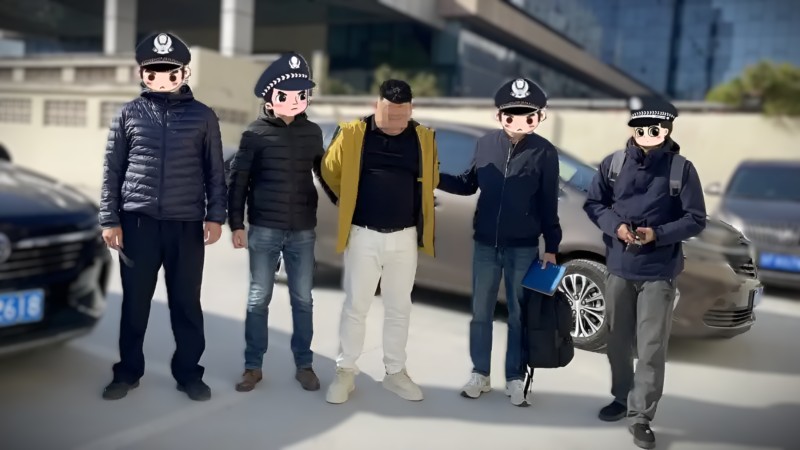
Chinese authorities have dismantled a sophisticated operation responsible for spreading damaging online content targeting major automakers Xiaomi, Huawei (via Harmony Intelligent Mobility Alliance), and Li Auto. The four-month investigation, conducted by Yantai police, resulted in 12 arrests, the seizure of $139,000 USD (1 million yuan), and the shutdown of over 8,000 linked online accounts.
The Scope of the Operation
The attacks, which began in July, were not the result of organic consumer dissatisfaction. Instead, police found clear evidence of a coordinated effort to damage brand reputation and disrupt business operations within China’s rapidly growing new-energy vehicle sector. The operation involved fabricated consumer experiences, distorted public information, and the mass-production of repetitive negative content.
Investigators analyzed over 3,000 articles, identifying accounts with suspiciously short lifespans, abnormal posting patterns, and diverse IP addresses – hallmarks of paid influence groups. These groups systematically scraped keywords related to the targeted automakers and then used artificial intelligence to generate low-quality content designed to maximize ad revenue and traffic.
How the Scheme Worked
The operation’s structure was industrial in scale. The group’s workflow included:
- Keyword scraping: Identifying trending search terms (Xiaomi, Huawei, Li Auto).
- Content generation: Using AI to mass-produce repetitive negative posts.
- Amplification: Copying and rewriting content to spread disinformation.
- Monetization: Generating revenue through platform engagement and advertising.
More than 80,000 pieces of online information and 100,000 financial records were reviewed to expose the scheme.
Automaker Response and Legal Action
Li Auto confirmed the attacks, detailing alleged violations of personal data, fabricated operational claims, and false product quality statements. The suspects are now facing legal consequences under Chinese law.
This case underscores the increasing sophistication of online disinformation campaigns and the importance of law enforcement intervention to protect market order and corporate interests.
The coordinated nature of the attacks highlights a growing trend: the weaponization of online influence for economic disruption. The Chinese government is taking an increasingly firm stance against such practices, demonstrating that organized cyberattacks targeting businesses will not be tolerated.