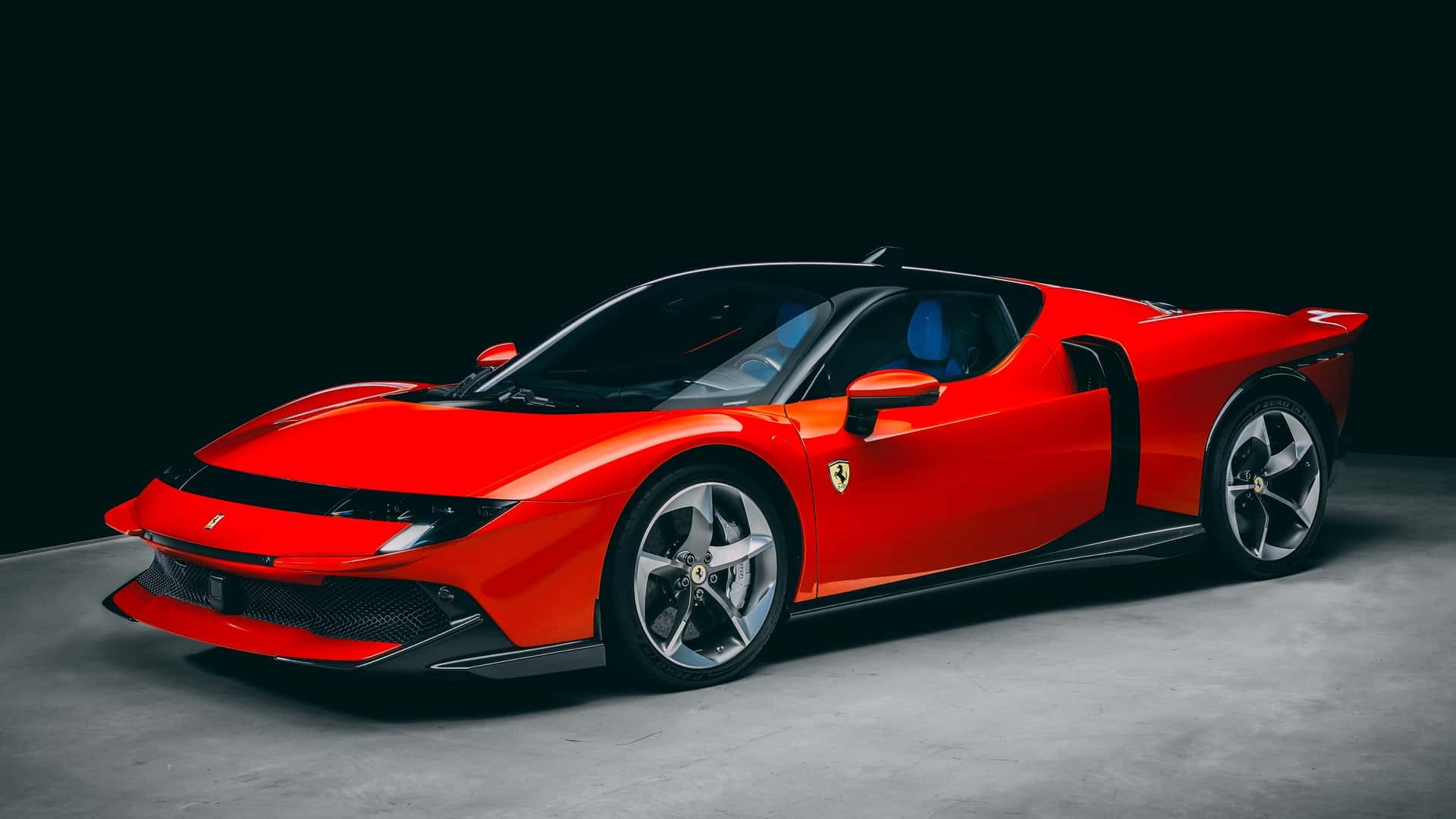
Ferrari’s financial performance in 2025 has resulted in substantial bonuses for its Italian workforce, with eligible employees receiving up to €14,900 (approximately $18,000). This comes after the company reported a 7% increase in net revenue, reaching €7.1 billion, and a 12% surge in operating profit, totaling €2.1 billion. The bonuses reward employees for the brand’s success, reflecting a business model where high prices and margins matter more than sheer sales volume.
Strong Demand Outpaces Production
Despite shipping slightly fewer vehicles (13,640) than in 2024 – missing the previous record by just 112 units – Ferrari’s profitability grew. This underscores that the luxury car market isn’t simply about moving units; it’s about maximizing revenue per vehicle. The demand for Ferrari cars remains exceptionally high, with production for 2026 already sold out and 2027 nearly fully booked.
This high demand allows Ferrari to maintain exclusivity and command premium prices. The company’s CEO, Benedetto Vigna, highlighted the employee bonuses during the Q4 earnings call, noting that around 5,000 Italian workers are eligible for the award. The bonus amount is substantial enough to purchase another car from the company’s parent group Stellantis, such as the Fiat Grande Panda (€14,950 in Italy).
Hybrid Future, But ICE Remains Core
Looking ahead, Ferrari plans to launch five new models this year, including the electric Luce. However, the company anticipates that 80% of its lineup will still feature combustion engines by 2030, split evenly between pure ICE and hybrid powertrains, with the remaining 20% allocated to EVs.
Ferrari’s commitment to internal combustion engines (ICE) is notable in an industry rapidly shifting toward electrification. The company believes there’s still room to improve ICE performance, with research and development focused on increasing horsepower-per-liter efficiency beyond current benchmarks like the F80’s 296 hp/liter V6. This strategy will cater to traditional buyers while simultaneously expanding into the EV market.
Implications for the Luxury Automotive Sector
Ferrari’s success illustrates a broader trend in the luxury automotive segment: high margins, controlled production, and strong brand loyalty are more important than mass-market volume. The company’s ability to command premium prices while maintaining strong demand ensures continued profitability and rewards its workforce accordingly.
The combination of ICE performance enhancements and a gradual entry into the EV market positions Ferrari to retain its customer base while attracting new buyers. The upcoming Luce model, alongside the continued development of high-performance ICE vehicles, should allow Ferrari to navigate the evolving automotive landscape successfully.