
A free-trade agreement (FTA) between Australia and the European Union is nearing completion, with a key outcome potentially being the abolition of the controversial Luxury Car Tax (LCT). Recent talks in Belgium, involving Australian Trade Minister Don Farrell and EU Commissioners Maroš Šefčovič and Christophe Hansen, showed “constructive and positive” progress. The only remaining hurdle appears to be resolving differences over meat exports.
The Stakes: What’s Behind the Deal?
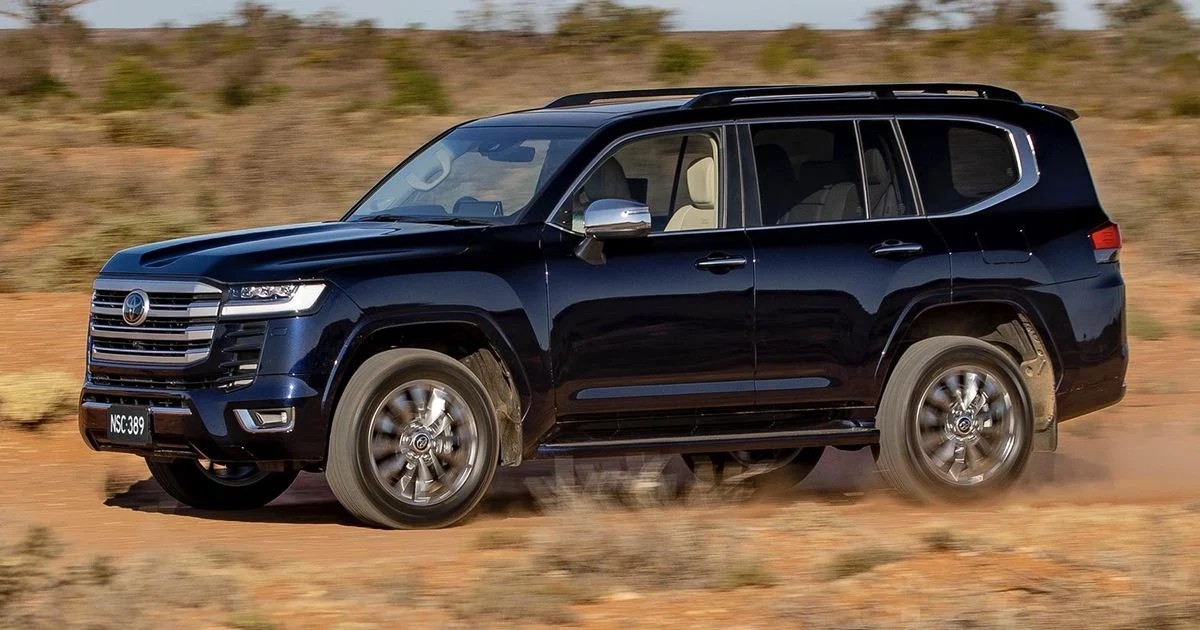
The EU is pushing for Australia to eliminate the LCT, while Australia seeks expanded access to European agricultural markets. The LCT, currently applied to vehicles exceeding $80,567 (or $91,387 for fuel-efficient models), adds a 33% tax on the excess price. This tax disproportionately affects luxury car sales but also impacts popular Australian vehicles like the Toyota LandCruiser and Nissan Patrol.
Why this matters: The LCT generates over $1.2 billion annually from Australian consumers, with approximately 40% of that revenue coming from European car sales. Without an FTA, European vehicles also face a 5% import tariff, placing them at a disadvantage compared to cars imported from Japan, China, Thailand, and South Korea.
The LCT: A Closer Look at the Tax
The LCT was originally designed to protect local manufacturing, but with Australia’s auto industry largely gone, it now acts as a revenue source. The thresholds for the LCT are adjusted yearly based on the Consumer Price Index (CPI). Recent changes, set to take effect July 1, 2025, will further restrict the definition of “fuel-efficient” vehicles, potentially increasing the tax burden on some models.
The impact: The abrupt removal of the LCT is a contentious issue. Some dealers fear a sudden drop in resale values if the tax disappears overnight. Industry groups like the Australian Automotive Dealer Association (AADA) advocate for either complete removal or reforms, such as raising the threshold or exempting low-emission vehicles.
What Happens Next?
Negotiations are now in the final stages, with leaders expected to review the agreement soon. If finalized, the FTA could significantly lower the cost of European cars for Australian buyers. The deal would also represent a major step forward in trade relations between Australia and the EU, which already exchange over $100 billion in goods and services annually.
The bottom line: The potential elimination of the LCT is a significant development for Australian consumers, car dealers, and the broader automotive market. If the deal goes through, it will likely lead to more affordable luxury cars, increased competition, and a shift in the dynamics of the Australian automotive industry.