The cruiser motorcycle market is undergoing a significant evolution. Traditionally, the segment has been dominated by American giants like Harley-Davidson and Indian, who have long relied on a classic formula: understressed V-twin engines, minimal bodywork, and relaxed, feet-forward ergonomics. While this “traditional” approach satisfies many purists, it often leaves a performance gap in the burgeoning power cruiser sub-segment.
While American manufacturers typically hover around the 100-horsepower mark, a new wave of engineering—largely driven by European manufacturers—is pushing the boundaries of what a cruiser can achieve. By moving away from the standard V-twin and embracing diverse engine layouts, brands like BMW, Ducati, and Triumph are delivering much higher performance figures, sometimes exceeding 180 horsepower.
At the forefront of this shift is the Triumph Rocket 3 GT, a machine that prioritizes both massive mechanical output and long-distance touring comfort.
Engineering the World’s Largest Engine
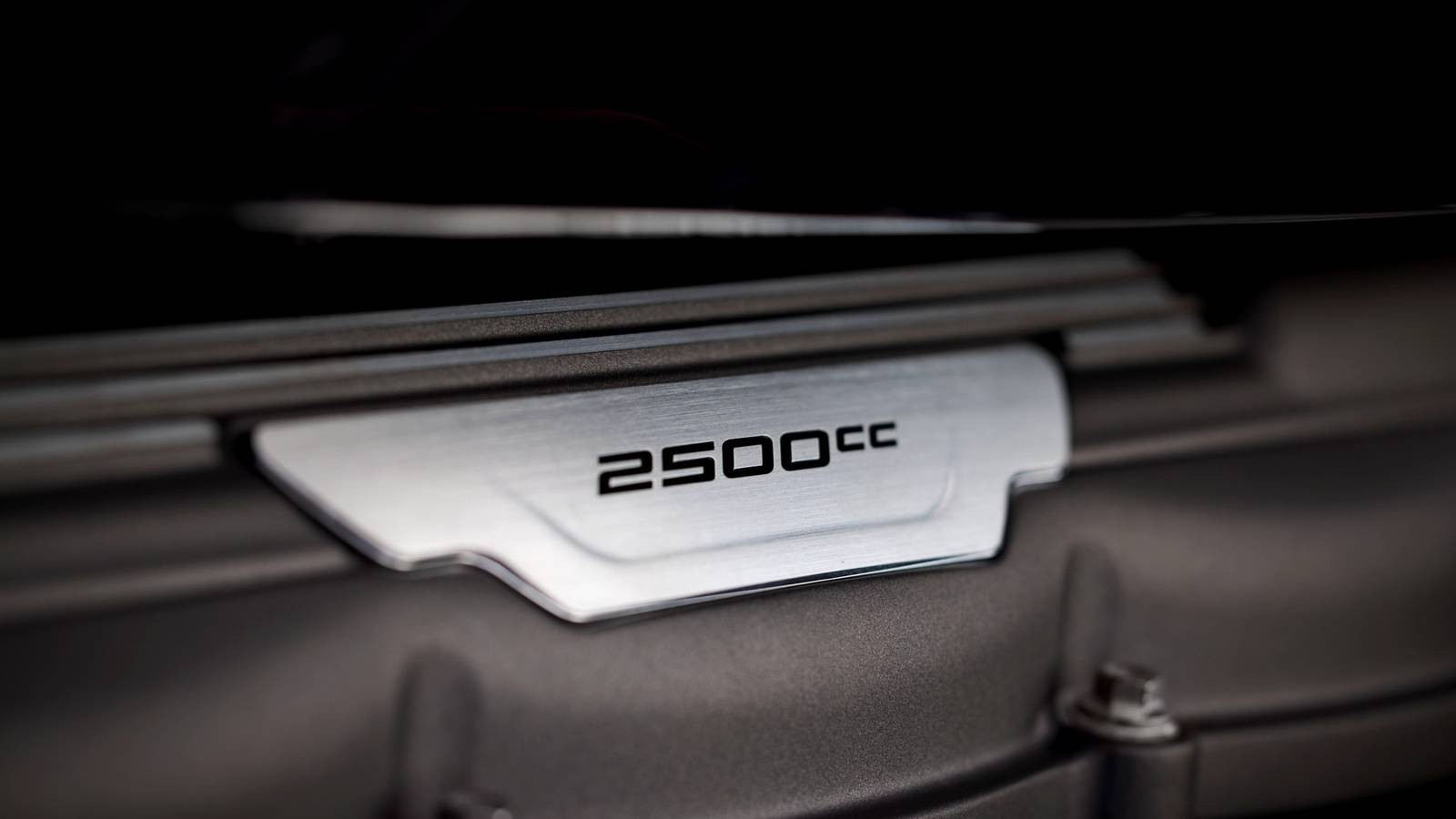
The heart of the Rocket 3 GT is its most defining characteristic: a 2,458cc triple-cylinder engine. This is the largest production motorcycle engine in the world, a title Triumph has held for several years. To put its scale into perspective, its torque output of 166 lb-ft is not just class-leading for motorcycles; it actually surpasses the torque of many small passenger cars.
This massive displacement translates to:
– Peak Power: 179.5 horsepower.
– Efficiency: A relatively low compression ratio (10.8:1) and extended service intervals compared to traditional American V-twins.
– Performance: A level of grunt that makes highway cruising effortless.
Designed for the Long Haul
While the “R” variant of the Rocket 3 leans toward sportier riding, the GT (Grand Tourer) model is specifically engineered for stability and comfort on long journeys. Triumph has implemented several ergonomic refinements to reduce rider fatigue:
- Improved Ergonomics: A swept-back handlebar for easier reach and a lower saddle height (29.5 inches) for better accessibility.
- Wind Protection: The inclusion of a dedicated windscreen to mitigate windblast at highway speeds.
- Passenger Comfort: A dedicated backrest for the pillion rider.
- Footpeg Placement: Forward-set footpegs positioned to optimize leg position during long stints in the saddle.
Lightweight Chassis and Premium Hardware
Despite its enormous engine, Triumph has utilized an aluminum chassis to keep the bike manageable. By using the engine as a stressed member of the frame, they have kept the wet curb weight under 700 pounds, placing it in direct competition with heavyweights from Harley-Davidson and Indian.
The technical specifications include:
– Suspension: Showa 47mm USD forks (adjustable) and an RSU monoshock.
– Braking: Four-piston Brembo calipers paired with dual 320mm front discs.
– Swingarm: A premium aluminum single-sided design that showcases the rear wheel.
Advanced Electronics and Safety
To manage such immense power, the Rocket 3 GT utilizes a sophisticated six-axis Inertial Measurement Unit (IMU). This allows for high-level safety interventions, including:
– Cornering ABS and Traction Control: Adjusting braking and power delivery based on lean angle.
– Wheelie Control: Managing torque to maintain stability.
– Touring Aids: Cruise control, hill hold control, and various ride modes to suit different conditions.
Market Position and Value
The Rocket 3 GT occupies a unique niche in the premium motorcycle market. With an MSRP starting at approximately $27,495, it sits in a middle ground: it is more expensive than many standard Harley-Davidson Softails, yet it remains more affordable than its direct European competitor, the Ducati Diavel V4.
Conclusion: The Triumph Rocket 3 GT represents a departure from traditional cruiser philosophy, trading the classic V-twin for massive displacement and sophisticated electronics. It successfully bridges the gap between raw, overwhelming power and the refined comfort required for long-distance touring.