Toucan crossings are specialized pedestrian crossings designed to safely accommodate both walkers and cyclists at the same time. The name “Toucan” stands for “two can” cross, highlighting this dual-purpose design. These crossings are becoming increasingly common as cities prioritize active transportation, like biking, but they can be confusing if you’re not sure how they work.
How Toucan Crossings Differ from Other Crossings 🚦
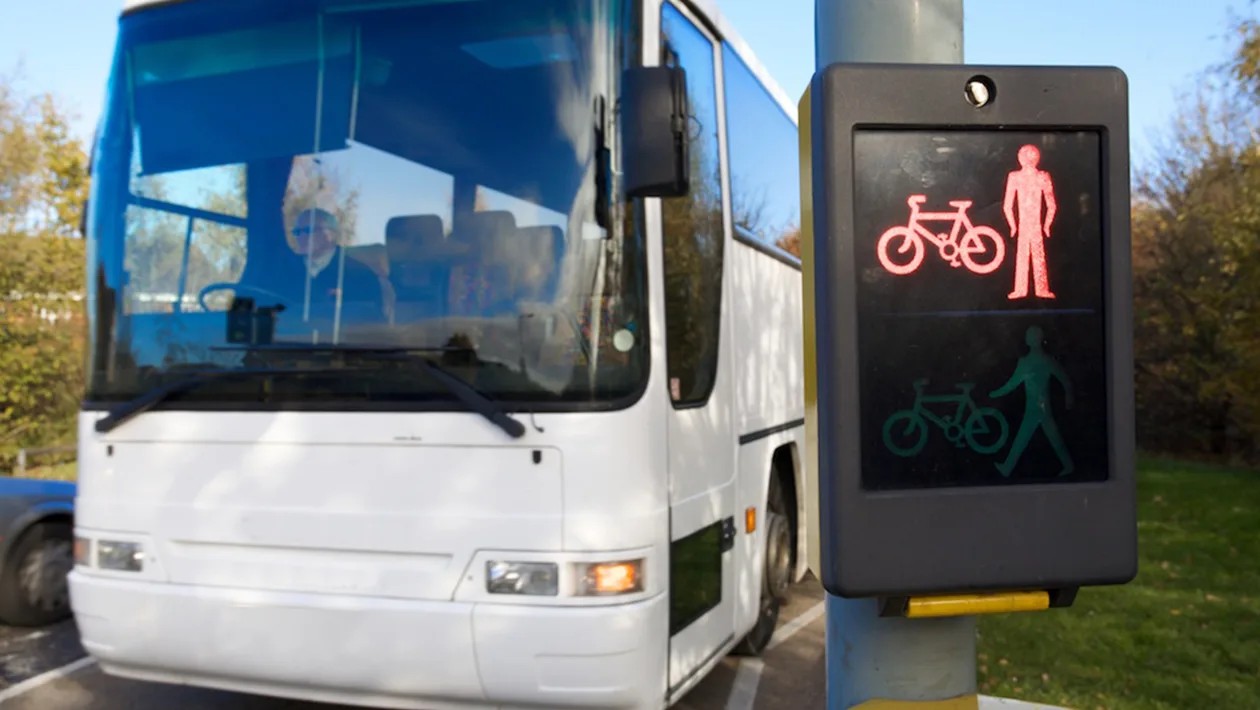
Toucan crossings function much like other types – such as Puffin or Pelican crossings – using sensors to detect people waiting to cross. However, the key difference is the presence of a green cycle light alongside the standard green pedestrian signal. This makes it immediately clear that the crossing is meant for bikes too. They also tend to be wider to comfortably fit cyclists.
- Puffin crossings are pedestrian only, with lights that change in sequence.
- Pelican crossings have a flashing amber light for cyclists, which isn’t found on Toucan crossings.
Using a Toucan Crossing: A Quick Guide 🚦
Whether you’re walking or biking, the process is the same:
- Press the demand button to activate the crossing.
- Wait for the green signal. This will show both a green man and a bicycle symbol when it’s safe to proceed.
- Cyclists should keep their speed down and watch for pedestrians.
- Drivers must yield to people crossing, just as they would at any other controlled crossing.
Why Toucan Crossings Matter 🌍
The rise of Toucan crossings reflects a wider trend toward prioritizing sustainable transportation. As more cities invest in bike lanes and pedestrian-friendly infrastructure, these crossings play a vital role in reducing congestion, pollution, and accidents.
Toucan crossings aren’t just about convenience – they’re about creating safer, more accessible streets for everyone.
They represent a practical solution for accommodating growing numbers of cyclists without compromising pedestrian safety. This is especially important in urban environments where space is limited and shared use is the norm.
In conclusion, Toucan crossings offer a clear, efficient, and safe way for pedestrians and cyclists to navigate roads together. By understanding how they function, everyone can contribute to more inclusive and sustainable urban mobility.