Despite a massive industry-wide shift toward larger vehicles, Volkswagen of America is signaling that it has no intention of abandoning the traditional car segment. At a recent media roundtable during the New York Auto Show, Kjell Gruner, CEO of Volkswagen of America, emphasized that sedans and hatchbacks remain essential to the brand’s identity and product strategy.
The SUV Dominance vs. The “Heartbeat” of the Brand
The automotive landscape in the United States has undergone a radical transformation. Last year, 78 percent of Volkswagen’s U.S. sales were SUVs, a trend reflected across the entire global market. As manufacturers chase the high margins and consumer demand associated with crossovers, traditional passenger cars like the Passat, Arteon, and Beetle have largely disappeared from the VW lineup.
However, Gruner argues that a brand’s health cannot be measured solely by sales volume. He distinguishes between “volume” and “heartbeat,” using the latter to describe models that define a manufacturer’s soul and driving character.
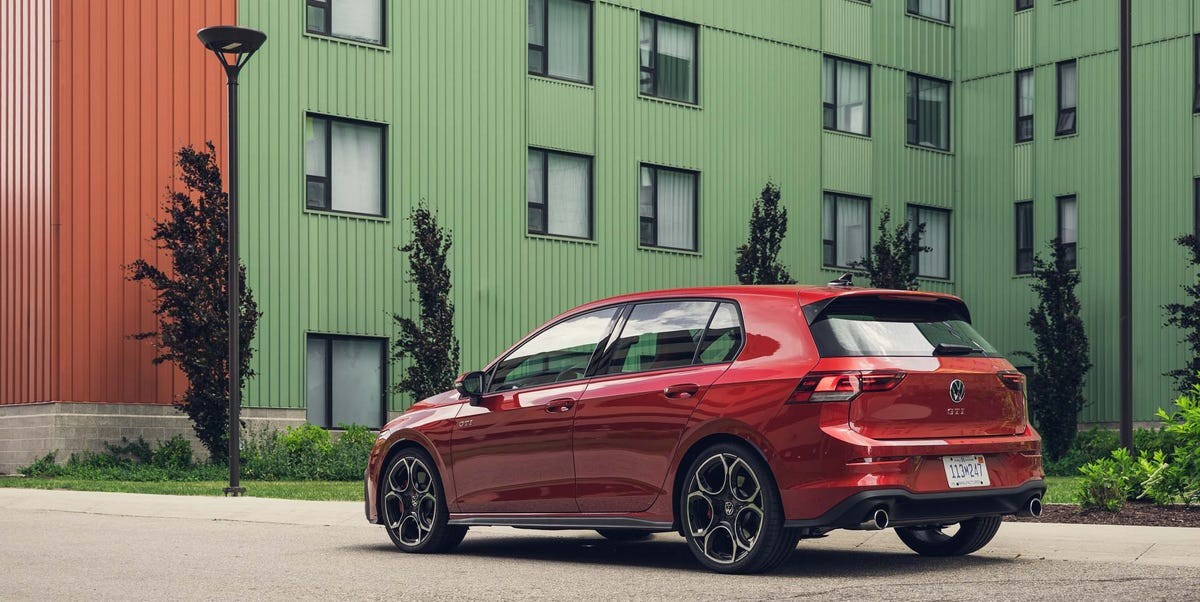
The Enthusiast Icons: Golf GTI and Golf R
While the combined sales of the Golf GTI and Golf R totaled only 10,554 units in the U.S. last year, their strategic value is disproportionately high.
– Brand Identity: These “hot hatches” serve as icons that represent Volkswagen’s engineering DNA.
– Emotional Connection: Gruner noted their importance in terms of “smiles-per-mile,” catering to a loyal enthusiast base that values driving dynamics.
– Cultural Significance: Even as the market moves toward utility, these models maintain the brand’s reputation for performance.
The Practical Alternative: The Jetta
While the Golf models serve the enthusiasts, the Jetta remains a vital pillar for the mainstream consumer. Last year, the Jetta was Volkswagen’s third best-selling model in the U.S., with 54,291 units sold.
The Jetta fills a specific niche that SUVs cannot easily replicate:
– Fuel Efficiency: Consumers seeking better gas mileage often opt for the sedan over heavier SUVs.
– Simplicity: It appeals to drivers who do not require all-wheel drive or the high seating position of a crossover.
– Variety: Gruner noted that the Jetta provides a level of variety that prevents the brand from becoming a mono-segment manufacturer.
A Focused, Lean Lineup
Volkswagen is not planning a massive expansion of its car segment. Instead, the company appears to be moving toward a highly specialized strategy. The remaining non-SUV models—the Jetta, the Golf GTI/R, and the electric ID.Buzz minivan—each serve a distinct, dedicated purpose.
This approach suggests that while Volkswagen will continue to lean heavily on its SUV success (led by models like the Atlas and Tiguan), it will maintain a “specialized” fleet of cars to protect its brand heritage and capture specific market segments.
“Every brand needs these brand icons… to me, that’s Golf R, Golf GTI,” says Kjell Gruner.
Conclusion
Volkswagen is adopting a dual-track strategy: leveraging SUVs for mass-market volume while preserving sedans and performance hatchbacks to maintain brand identity and cater to specific consumer needs. This ensures the brand remains diverse even as the industry trends toward a singular focus on crossovers.