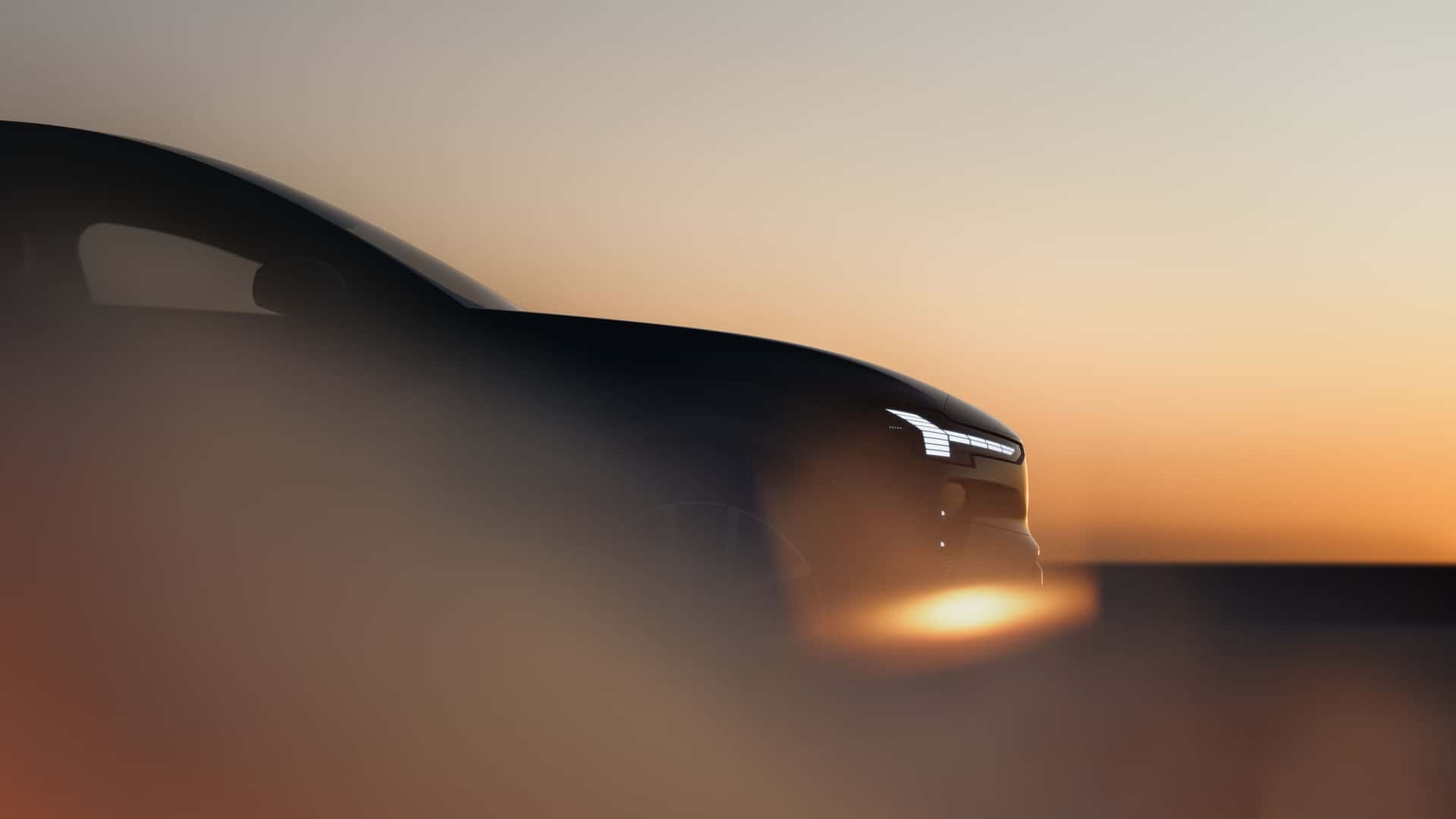
The Volvo EX60, the Swedish automaker’s highly anticipated electric crossover, has officially been unveiled today. The vehicle promises to deliver up to 400 miles of range on a single charge, positioning itself as a strong contender in the rapidly expanding EV market.
Key Specifications and Charging Capabilities
The EX60 is built on Volvo’s SPA3 platform and features an 800-volt electrical system enabling exceptionally fast charging speeds.
– Charging at 400 kW allows for a remarkable 173 miles of range added in just 10 minutes, based on EPA estimates.
– In WLTP markets (Europe, etc.), a 10-minute charge is projected to deliver 340 kilometers (211 miles) of range.
Volvo developed the charging software internally, aiming to make refueling as simple as a “quick coffee stop.” This rapid charging capability is critical, as one of the biggest barriers to EV adoption remains the time spent charging.
Design and Manufacturing Innovations
The EX60’s design follows Volvo’s current aesthetic, echoing the larger EX90 with a minimalist interior centered around a large, tablet-style touchscreen. More importantly, Volvo has adopted mega-casting for the first time in a production vehicle.
– This process replaces numerous smaller components with a single, large casting, reducing weight and simplifying production.
– Volvo also engineered its own electric motors for increased efficiency and performance.
Why This Matters: The EV Shift and Volvo’s Strategy
Volvo’s push into EVs is significant. Though the company has paused its earlier goal of going fully electric by 2030, leadership still expects EVs to dominate the market within the next decade. The EX60 is positioned to be a critical model in this transition.
The EX60 will compete directly with Volvo’s best-selling gas-powered XC60. The success of this new EV will depend on Volvo’s ability to avoid the software issues that initially plagued the EX90’s launch.
The EX60 represents a step forward in making EVs more practical for mainstream consumers. The combination of long range, ultra-fast charging, and manufacturing innovations could accelerate the shift away from internal combustion engines.