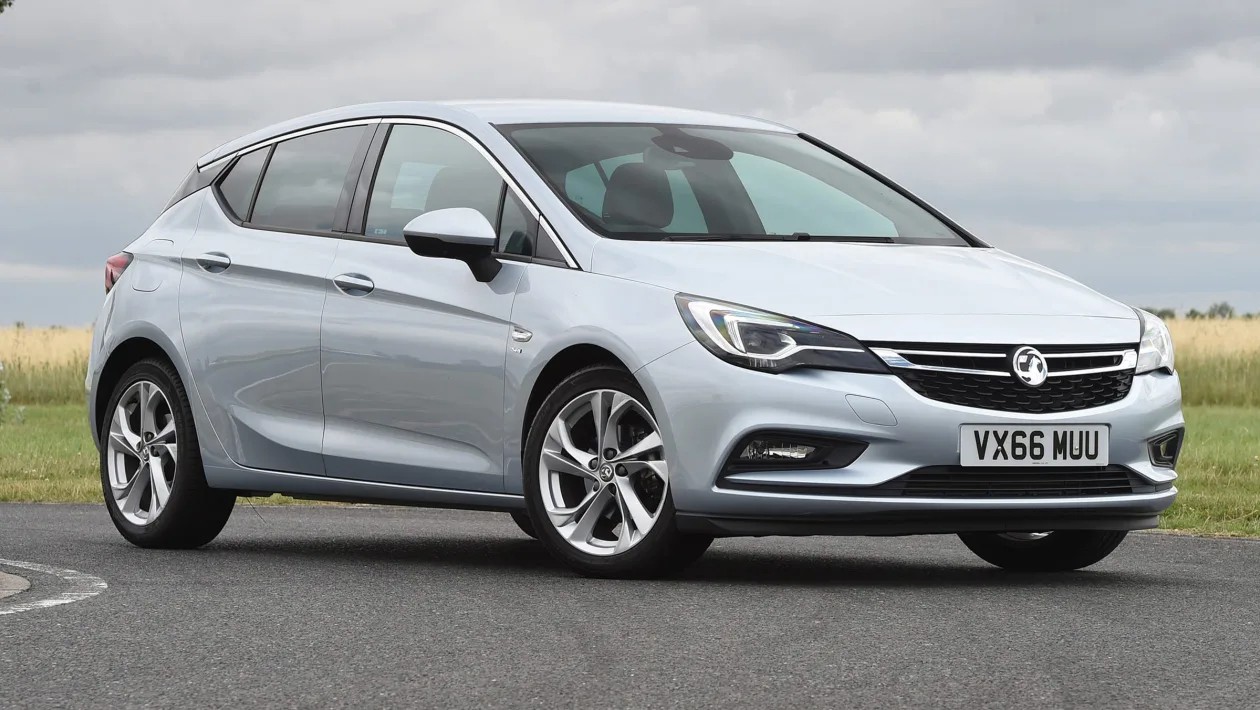
The Vauxhall Astra has long been a staple in the UK car market, competing directly with popular models like the Ford Focus and Volkswagen Golf. The seventh-generation Astra (Mk7, produced from 2015-2022) offers solid value, though it doesn’t necessarily stand out in any single category. Despite winning the European Car of the Year award in 2016, owner feedback suggests some early reliability concerns.
Why Consider a Used Astra?
The Astra’s biggest advantage is its price point. Because it lacks the brand prestige of some competitors, used models often represent excellent value for money. This makes it a sensible choice for buyers prioritizing affordability and practicality over luxury or performance. However, potential buyers should be aware of common issues, particularly in early models.
History and Key Updates
The Mk7 Astra debuted in late 2015, offering a range of petrol and diesel engines. The initial lineup included 1.4-liter and turbocharged 1.0-liter petrol options, alongside 1.6-liter diesel variants. A five-door estate (Sports Tourer) followed in 2016, providing added versatility.
A significant update arrived in 2019, with aerodynamic improvements, a new nine-speed automatic gearbox, and revised engines aimed at better fuel efficiency. This facelift also brought enhanced driver-assistance systems. The Mk8 Astra replaced this model in 2022.
Which Trim to Choose?
All Astra trims offer decent features, but some stand out. The entry-level Design trim includes air conditioning, cruise control, and a seven-inch touchscreen. The SRi adds sports seats and enhanced safety features, while the Elite Nav trim offers luxury touches like leather upholstery and dual-zone climate control. The Ultimate trim provides the most comprehensive package, including LED headlights and advanced safety systems.
Avoid the non-turbo 1.4-liter engine, which feels underpowered compared to the turbocharged alternatives.
Alternatives Worth Considering
If you’re open to other options, the Ford Focus remains the segment leader, with superior dynamics and a wide range of models. The VW Golf offers a more refined interior and high-tech features. The SEAT Leon is a budget-friendly alternative, while the Mazda 3 delivers a more engaging driving experience. Hyundai i30 and Kia Ceed provide excellent value, reliability, and warranty coverage.
Common Issues to Watch For
Several potential problems have been reported with the Mk7 Astra. Early petrol engines were prone to piston ring failure, so using Dexos 2 oil instead of Dexos 1 is crucial for maintenance. Some early models had inaccurate fuel gauges, but software updates have often resolved this.
The 1.4-liter turbocharged engine can experience a flat spot under load. Worn clutches and noisy front suspension are also common complaints, particularly on low-mileage vehicles.
Running Costs and Recalls
The Mk7 Astra requires servicing every 12 months or 20,000 miles. Engines use timing chains (except the 1.2 turbo, which has a wet cambelt with no fixed replacement interval). The Astra has been subject to four recalls: airbag issues (2016), brake-hose problems (2018), unspecified braking faults (2018), and welding defects in seat frames (2019).
Owner Satisfaction
Driver Power surveys reveal mixed opinions. The Astra ranked poorly in the 2019 New Car Survey, but showed slight improvement in the Used Car Survey. Infotainment and switch positioning received positive feedback, while interior quality, seat comfort, and brakes were rated lower.
Final Verdict
The used Vauxhall Astra (Mk7, 2015-2022) is a practical and affordable choice for buyers seeking a reliable family car. While it doesn’t excel in any single area, its spacious cabin, comfortable ride, and reasonable running costs make it a sensible option. Just be aware of potential reliability issues in early models and prioritize regular maintenance with the correct oil type.