Land Rover’s recent factory entry into the Dakar Rally with three Defenders marks the brand’s first official push into the legendary endurance race. However, the company’s involvement in the grueling event dates back further, to a period when a Range Rover driven by Autocar journalists attempted the same feat decades earlier.
The Early Days of Dakar: A French Obsession
The Paris-Dakar Rally, born in 1979, quickly gained notoriety for its brutal conditions and unpredictable nature. Initially seen as “a peculiarly French event” by UK media, it rose to wider attention in 1982 when Mark Thatcher disappeared for six days after a crash. But before that, the rally had already captured the attention of British motoring enthusiasts.
Autocar’s First Attempt: A Factory-Supported Gamble
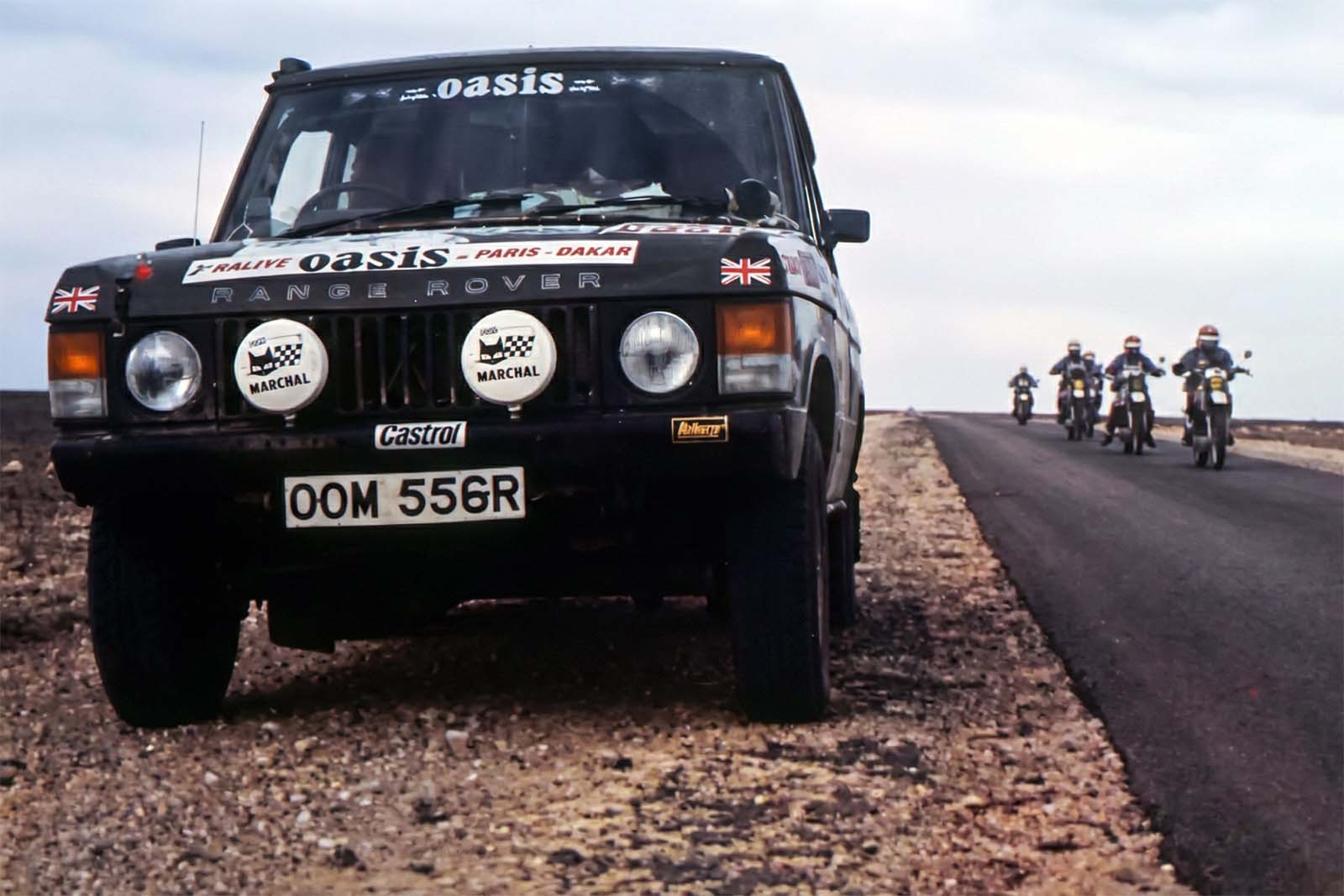
In 1980, Tony Howard, then an assistant editor at Autocar, secured a Range Rover from British Leyland for an ambitious attempt at the Dakar. The vehicle was nearly standard, with only minor modifications such as reinforced suspension, an extra fuel tank, and additional lighting. Despite not being an official factory entry – Howard had to raise much of the funding himself – the team reached within 400 miles of Dakar before mechanical failure struck.
Relentless Punishment: The Reality of the Rally
The following year, Howard teamed up with Autocar’s technical editor, former Formula 1 driver John Miles, for another try in a BL-owned Range Rover. Miles vividly described the rally as “a sort of relentless demonic punishment for vehicle and occupants,” far removed from the romanticized image many had. The pair competed against 307 vehicles, but only 42 cars finished within the time limit, highlighting the race’s unforgiving nature.
Life on the Road: Endurance Beyond the Driving
The rally was as much a test of survival as it was of speed. Miles recounted the hardships: “Running your own show means living out the back of a dust-laden Range Rover for 20 days… It can be a wearying business.” The stages themselves were brutal, spanning 600km stretches of desolate terrain—flat deserts, soft sand, and rocky tracks all combined.
A Lost Lead and a Brutal Reality
Early in the race, the Autocar team led the ‘standard four-wheel-drive’ class before a mysterious 15-hour penalty dropped them down the order. The crucial stages, especially the 335-mile section from Tit to Timeiaouine and the subsequent 460-mile run to Gao, became a nightmare of treacherous terrain. With two punctures already consumed by spares, a third flat left them stranded with no replacements, forcing them to abandon the race.
The story of Autocar’s Dakar attempts underscores the rally’s historical depth and Land Rover’s long-standing association with extreme off-road challenges. The conditions were harsh, the support minimal, and the stakes high, yet the spirit of competition remained unbroken.