For the past 20 years, motorcycle technology has exploded. Bikes now deliver performance, innovation, and cultural impact in ways that go beyond simply getting from point A to point B. This isn’t just about faster engines or lighter frames; it’s about bikes that changed the industry. Here are ten models that have shaped modern motorcycling in the U.S., based on their influence, engineering breakthroughs, and cultural relevance.
The Shift in Rider Culture
The motorcycle world has gone through a transformation. Riders now expect more than just basic transportation; they want versatility, technology, and a reflection of their lifestyle. This change is driven by manufacturers who dared to push boundaries, and by riders who demanded more from their machines. These ten bikes are prime examples of that evolution.
1. BMW R 1200 GS: The Adventure Standard
The BMW R 1200 GS didn’t just create the adventure-touring segment; it defined it. By the mid-2000s, it was BMW’s best-selling model, proving that riders wanted a bike that could handle long distances, rough roads, and everyday commutes. The GS wasn’t just capable; it made versatility desirable. Its success forced competitors to adapt, pushing the entire industry toward multi-terrain, tech-forward machines.
Key Specs: (Data sourced directly from BMW’s website as of writing.)
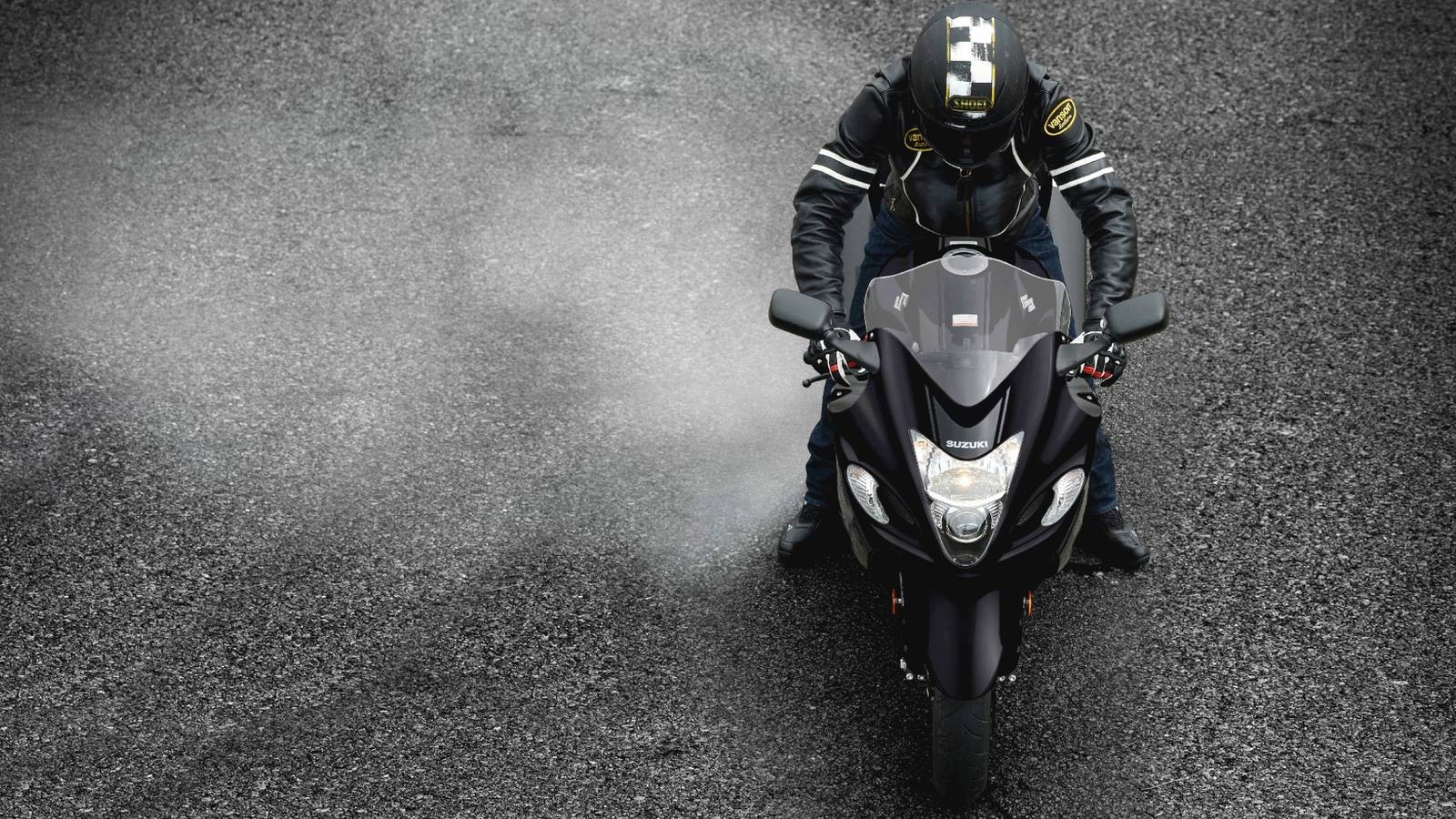
2. Suzuki Hayabusa: The Hyper-Sport Benchmark
The 2008 redesign of the Suzuki Hayabusa wasn’t just an update; it was a statement. It reinforced the Hayabusa’s status as the ultimate hyper-sportbike, pushing speed and torque boundaries. Beyond raw power, it influenced aesthetics, aerodynamics, and mechanical design, setting expectations for performance at extreme speeds. The Hayabusa became a reference point for engineers and riders alike, proving that the limits of speed could always be pushed further.
Key Specs: (Data sourced directly from Suzuki’s website as of writing.)
3. Zero SR/F: The Electric Revolution
The 2019 Zero SR/F proved that electric motorcycles could compete with gas-powered bikes in performance and usability. With over 100 horsepower and fast-charging capability, it showed that EVs could be exciting, refined, and a legitimate alternative. The SR/F bridged the gap between innovation and mainstream appeal, helping redefine modern motorcycling.
Key Specs: (Data sourced directly from Zero’s website as of writing.)
4. Ducati Scrambler: Retro Revival
The 2015 Ducati Scrambler revitalized the brand’s heritage by blending retro style with modern engineering. Its modular design and customizability inspired other manufacturers to produce bikes that combined classic aesthetics with contemporary performance. It proved that style and practicality could coexist, becoming a cultural icon that honored the past while embracing innovation.
Key Specs: (Data sourced directly from Ducati’s website as of writing.)
5. Triumph Rocket III Roadster: The Muscle Cruiser
The Triumph Rocket III Roadster redefined the cruiser segment with its enormous 2,458 cc triple engine. Bold and uncompromising, it challenged cruiser norms by delivering performance typically reserved for sportier bikes. Its sheer size, power, and presence kept the cruiser category vibrant, cementing its reputation as one of the most distinctive motorcycles of the last two decades.
Key Specs: (Data sourced directly from Triumph’s website as of writing.)
6. Kawasaki Ninja ZX-10R: Track to Street Performance
The Kawasaki Ninja ZX-10R delivered Superbike-level power in a production-ready package. Introduced in 2004, it influenced sportbike design for the next two decades, combining high performance, precise handling, and advanced technology. Success in WSBK reinforced its reputation, with racing innovations directly feeding into consumer models.
Key Specs: (Data sourced directly from Kawasaki’s website as of writing.)
7. KTM 1190 Adventure: The No-Compromise Adventurer
The KTM 1190 Adventure combined high-performance engineering with long-travel suspension and advanced electronics. Its powerful V-twin engine delivered sports bike-level acceleration, while the chassis and suspension allowed confident handling on both paved roads and rugged terrain. It proved that motorcycles could excel on highways and off-road trails alike without compromise.
Key Specs: (Data sourced directly from KTM’s website as of writing.)
8. Harley-Davidson LiveWire: Electric Legacy
The Harley-Davidson LiveWire marked a turning point for both the brand and the industry by bringing serious electric performance to a heritage name. As Harley’s first major electric model, it demonstrated that even legacy manufacturers were embracing the electric revolution. The LiveWire bridged the gap between traditional motorcycling and the future of EVs, proving that electric bikes could deliver excitement, style, and practicality.
Key Specs: (Data sourced directly from Harley-Davidson’s website as of writing.)
9. Aprilia RSV4: The V4 Revolution
The Aprilia RSV4, introduced in 2009, redefined the liter-class sports bike segment by bringing a race-derived V4 engine into street-legal form. Its compact, high-revving powerplant delivered exceptional acceleration and responsiveness, while advanced electronics elevated rider control. It set a new standard for handling and performance.
Key Specs: (Data sourced directly from Aprilia’s website as of writing.)
10. Yamaha MT-09: The Accessible Thrill
Launched in 2014 (renamed from the FZ-09 in 2018), the Yamaha MT-09 redefined the modern naked street bike segment. Lightweight and agile, it delivered high torque from a triple-cylinder engine, offering thrilling performance without the intimidation of a full superbike. It became a gateway to serious riding, combining fun, versatility, and everyday usability.
Key Specs: (Data sourced directly from Yamaha’s website as of writing.)
These ten motorcycles aren’t just machines; they’re milestones. They represent a period of rapid innovation and cultural shifts within the motorcycling world. They prove that the future of riding isn’t just about speed or power, but about how those qualities are applied to create a better, more versatile, and more engaging experience for riders.