Honda has long held the reputation for building motorcycles that simply do not break. While competitors offer impressive machinery, Honda’s engineering philosophy prioritizes durability above all else—a trait that is critical in the Adventure Touring (ADV) segment. These bikes are designed to handle extreme conditions, from urban commuting to remote off-road trails. When reliability fails in such environments, the consequences range from inconvenient to dangerous.
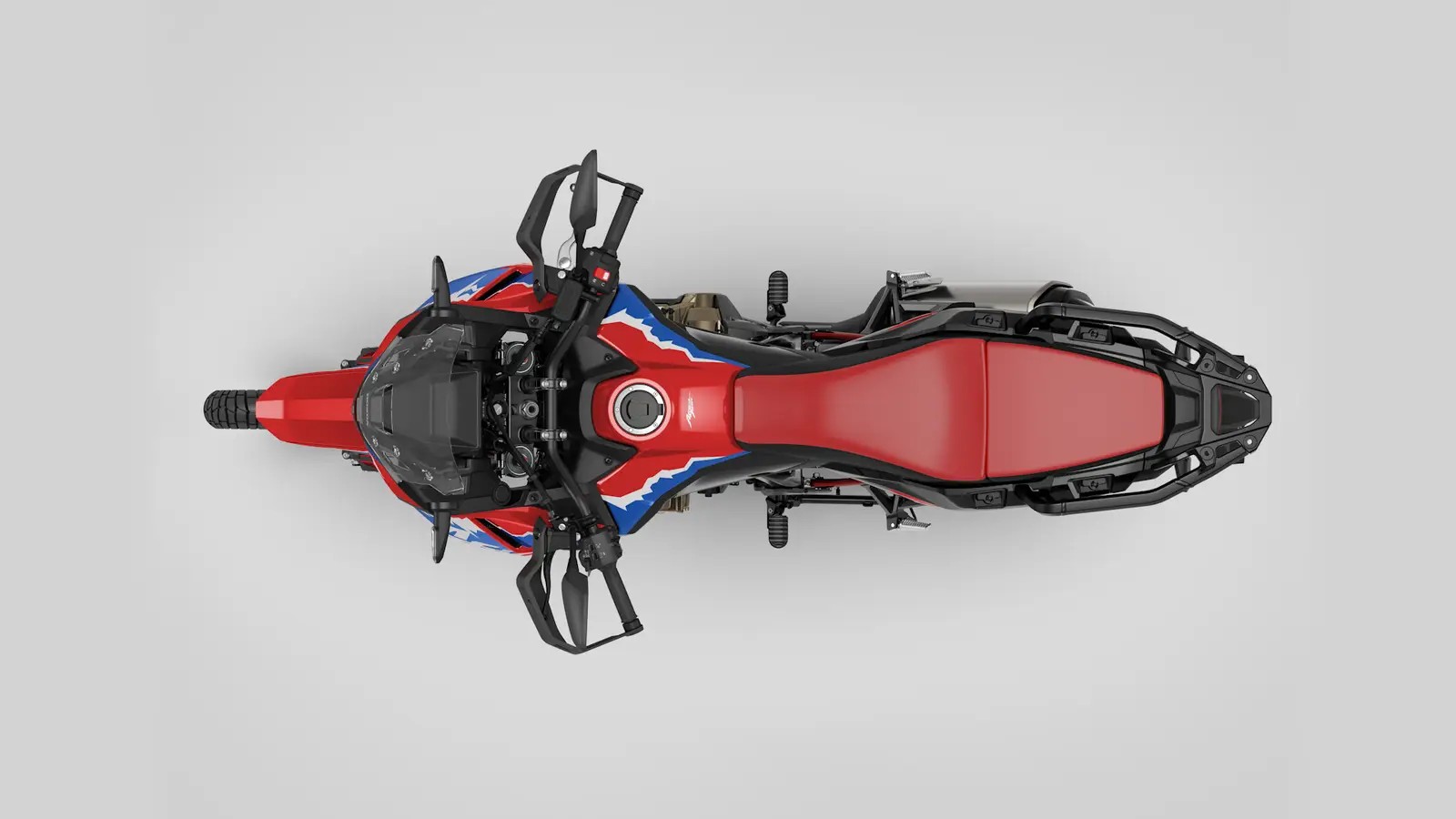
For riders aiming to extract maximum value from their investment, reaching the 100,000-mile milestone without major repairs is the ultimate test of longevity. Among Honda’s current 2026 lineup, one model stands out as the definitive choice for this endurance feat: the Honda Africa Twin.
The Case for the Africa Twin Over Newer Models
Honda’s 2026 ADV portfolio is diverse, catering to various skill levels and budgets:
* CRF300L Rally: A lightweight, dual-sport option powered by a proven single-cylinder engine.
* NX500: A mid-capacity choice sharing its parallel-twin engine with the CBR500R and CB500 Hornet.
* XL750 Transalp: A newer entrant with a fresh engine platform.
* Africa Twin: The flagship heavyweight with a decade-plus of refinement.
While the CRF300L and NX500 are reliable, their smaller engines often require higher RPMs to maintain highway speeds, potentially increasing wear over extreme distances. The XL750 Transalp is a capable machine, but its engine is relatively new to the market. In contrast, the Africa Twin benefits from years of real-world stress testing. Owner reports consistently show that these bikes reach 100,000 miles with only routine maintenance—such as oil changes and valve checks—rather than catastrophic component failures like gearbox or clutch replacements.
Real-World Proof: One notable example is Hannes Bagar, who reportedly logged over 580,000 miles on his Africa Twin DCT before the bike was stolen. His experience underscores the platform’s ability to withstand extreme usage without major mechanical breakdowns.
Engineering for Longevity
The Africa Twin’s durability is not accidental; it is the result of deliberate engineering choices that prioritize balance and understress over peak performance figures.
1. The Understressed Parallel-Twin Engine
At the heart of the Africa Twin is a 1,084cc parallel-twin engine. Key design features contribute to its longevity:
* Low Compression Ratio (10.5:1): Reduces thermal stress on engine components.
* 270-Degree Crankshaft: Provides a distinctive firing order and smooth power delivery.
* Refined Tuning: Recent updates to ECU settings, valve timing, and intake/exhaust systems ensure efficient combustion.
This setup produces 100.5 horsepower and 82 lb-ft of torque, which are accessible at low RPMs (7,500 RPM and 5,500 RPM, respectively). This allows riders to maintain highway speeds without “chasing the redline,” significantly reducing engine wear. Fuel efficiency remains strong at approximately 48 miles per gallon under moderate riding conditions.
2. Transmission Options for Reduced Fatigue
The bike offers a traditional six-speed manual transmission, but the standout feature for long-distance touring is the optional Dual-Clutch Transmission (DCT).
* Automatic Modes: “Drive” and “Sport” modes handle shifting, reducing rider fatigue on long journeys. Recent software updates have smoothed out low-speed shifts for a more natural feel.
* Manual Mode: Riders can still use handlebar triggers to shift gears manually if desired.
3. Robust Chassis and Suspension
The engine is mounted in a steel double-cradle frame with an aluminum subframe and double-sided swingarm. This architecture is designed to handle varying loads, whether carrying heavy luggage, a passenger, or navigating rough terrain.
* Suspension: Standard models come with fully adjustable 45mm Showa SFF-BP upside-down forks (9.1 inches of travel) and a monoshock (8.7 inches of travel).
* Electronic Suspension: Available on the top-tier Adventure Sports variant, offering adaptive damping for different road conditions.
Practical Considerations: Weight and Ergonomics
The Africa Twin is a substantial machine, weighing 510 pounds fully fueled. While this is only 40 pounds heavier than the smaller XL750 Transalp, the weight distribution and dimensions (62-inch wheelbase, 91.1-inch length) require confident handling.
- Seat Height: At 34.3 inches, the seat is tall. Unlike some competitors (e.g., Harley-Davidson Pan America), it does not lower automatically at a standstill, which may challenge shorter riders.
- Braking: The bike features strong stopping power with 310mm dual front discs (Nissin four-piston calipers) and a 256mm rear disc.
Technology and Safety Features
The 2026 Africa Twin is equipped with modern technology aimed at enhancing safety and convenience:
* Display: A 6.5-inch TFT touchscreen with Apple CarPlay integration, paired with a secondary LCD for essential data like speed and range.
* Riding Modes: Six modes (Tour, Urban, Gravel, Off-road, User 1, User 2) tailor engine response and traction control.
* Safety Aids: Standard features include switchable cornering ABS, seven levels of traction control, three levels of wheelie control, and engine brake control.
* Convenience: Cruise control, USB charging ports, and LED lighting are included across the range.
2026 Model Variants and Pricing
Honda offers four distinct configurations, allowing buyers to choose based on budget and intended use:
- Africa Twin (Standard) – $15,199
- Base model with manual transmission.
- Africa Twin DCT – $15,999
- Adds the dual-clutch automatic transmission.
- Africa Twin Adventure Sports – $17,799
- Includes a larger fuel tank, road-friendly wheel sizes, and electronic Showa EERA suspension.
- Africa Twin Adventure Sports DCT – $18,599
- The top-tier package combining electronic suspension and automatic transmission.
Conclusion
The Honda Africa Twin’s reputation for reaching 100,000 miles with ease is built on a foundation of understressed engineering, proven components, and meticulous refinement. While newer models like the Transalp offer fresh alternatives, the Africa Twin remains the benchmark for long-term reliability in the ADV segment. For riders seeking a motorcycle that can endure decades of travel with minimal major repairs, the Africa Twin offers a compelling mix of durability, technology, and riding comfort.