Vehicle reliability is now the dominant factor in car purchasing decisions, even in luxury and performance segments. With high prices and extended ownership periods, consumers prioritize avoiding breakdowns, resale losses, and total cost of ownership. Data from J.D. Power’s 2025 U.S. Vehicle Quality Study and 2026 U.S. Vehicle Dependability Study provides an objective view, cutting through manufacturer hype.
The Rising Problem of Car Defects
Today’s vehicles average 204 problems per 100 units (PP100), driven by infotainment glitches and software updates. This trend forces buyers to distinguish between flashy tech and proven reliability, as mechanical and software issues become more common. The brands that prioritize stability over experimentation lead the rankings.
Top Performers: Japanese Brands Dominate
Japanese automakers consistently rank highest in reliability, thanks to a cultural and engineering commitment to mechanical perfection. Toyota’s Production System, with its emphasis on continuous improvement and worker-initiated defect resolution, is central to this success. By prioritizing tested components over radical technologies, brands like Lexus, Toyota, and Mazda avoid the software-related headaches plaguing competitors.
Lexus: The Luxury Leader
Lexus secured the top spot for premium brands in the 2026 J.D. Power study for the fourth consecutive year, scoring 151 PP100. The GX (Midsize Premium SUV) and IS (Compact Premium Car) exemplify this reliability by sticking to proven hybrid powertrains and physical controls.
Toyota: Broad Reliability Across Models
Toyota ranks fourth among mass-market brands with 185 PP100, outperforming the industry average. Standout models include the Corolla (Compact Car), Camry (Midsize Car), RAV4 (Compact SUV), Sienna (Minivan), and Tacoma (Midsize Pickup) – all exceeding expectations for long-term durability.
Mazda: A Steady Approach to Reliability
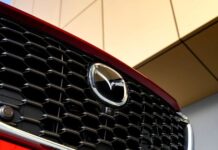
Mazda scored 210 PP100 in 2026, but its 2025 performance was stronger, ranking third overall at 161 PP100. Models like the CX-5 and CX-9 continue to demonstrate mechanical simplicity and robust powertrains.
Subaru: Improving Long-Term Performance
Subaru scored 181 PP100, but its true strength lies in Consumer Reports rankings, where it was crowned the most reliable brand overall. This discrepancy reflects long-term owner satisfaction and mechanical durability, even with minor infotainment issues in the first three years. Models like the Crosstrek, Forester, and Outback lead in reliability.
Honda: A Reliable, But Not Dominant, Option
Honda scored 201 PP100, aligning with the industry average. However, its high initial quality scores and resale value make it a strong contender. The Civic and CR-V Hybrid are segment leaders, praised for their mechanical simplicity and avoidance of infotainment glitches.
Korean Brands: A Rising Force
Hyundai and Kia have risen to prominence by combining aggressive R&D with vertical integration, maintaining tighter quality control over components. Their human-centered technology, prioritizing physical buttons, reduces software-related issues. Their 10-year warranty incentivizes over-engineering for long-term durability.
Hyundai: Strong Quality and Value
Hyundai earned 198 PP100, surpassing the average. The Santa Cruz (Midsize Pickup) and Sonata (Midsize Sedan) are standout performers, with high reliability ratings. Hyundai’s industry-leading warranty provides long-term peace of mind.
Kia: Balancing Tech and Durability
Kia scored 193 PP100, slightly better than average. The Telluride (Upper Midsize SUV), Sportage, Soul, and K4 sedan maintain high reliability ratings due to proven engines and transmissions. The brand’s comprehensive warranty further boosts consumer confidence.
Genesis: Luxury Reliability
Genesis ranks third in the luxury segment with 188 PP100, outperforming the premium average. Models like the G80 and G90 consistently score high in quality, while the GV80 remains a reliability anchor in the SUV category.
The Least Reliable Brands: Where Problems Persist
Domestic trucks and high-tech EVs struggle most with reliability. Volkswagen (301 PP100), Chrysler (282 PP100), and Jeep (275 PP100) top the list of problematic brands.
Volkswagen: Electrical and Software Issues
Volkswagen ranks last overall with 301 PP100, dragged down by electrical glitches and infotainment freezes in its newer models. Recalls for wheel detachment in the ID.4 and Atlas underscore quality control issues.
Chrysler: Hybrid System Problems
Chrysler ranks second-to-last with 282 PP100, plagued by ongoing scrutiny of the Pacifica Plug-in Hybrid’s high-voltage battery fires and transmission failures.
Jeep: Electrification Woes
Jeep continues to suffer from mechanical and digital integrity issues, scoring 267 PP100. The 4xe Plug-in Hybrid models, particularly the Wrangler 4xe and Grand Cherokee 4xe, face engine fires and other major defects.
Conclusion
The automotive landscape of 2025-2026 favors brands prioritizing proven reliability over technological experimentation. Japanese automakers, particularly Lexus and Toyota, lead the pack, while Hyundai and Kia are emerging as strong contenders. Buyers seeking long-term value and minimal headaches should prioritize these brands over those struggling with software glitches and manufacturing defects.