The Verdict
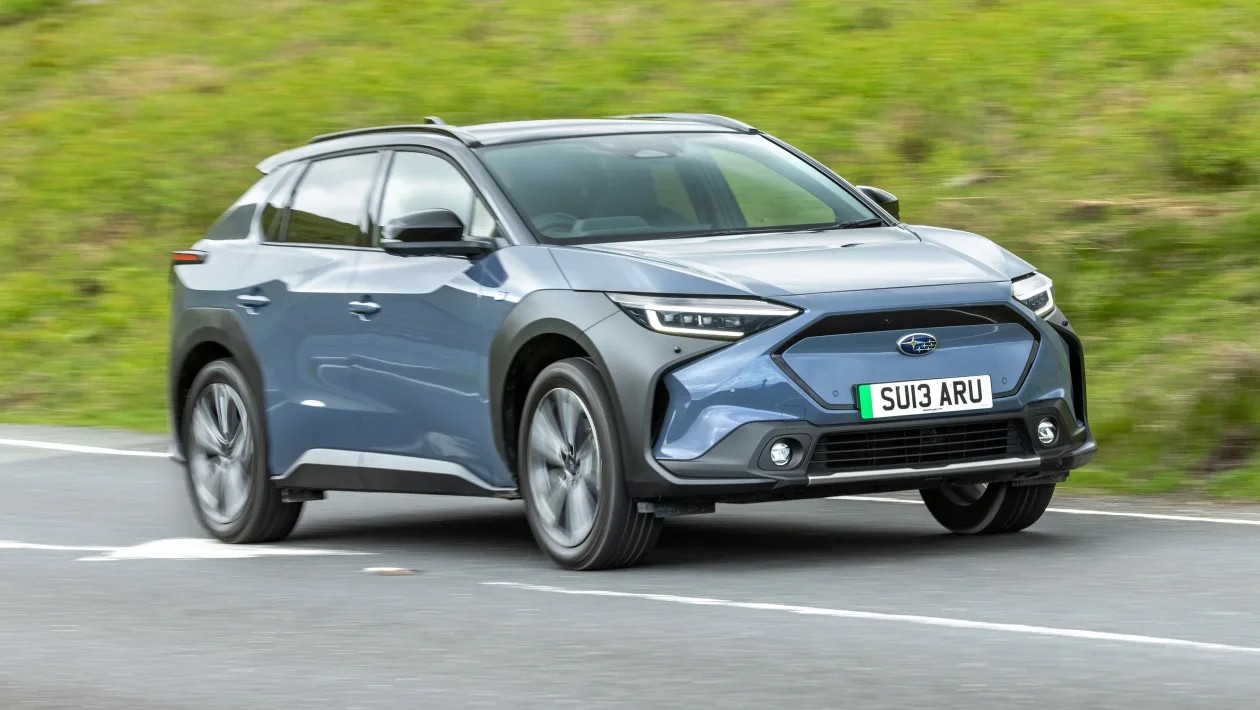
The Subaru Solterra is an odd bird. It is the brand’s first electric vehicle, and frankly, it drives nicely. You get good tech. You get old-fashioned buttons that actually click. You even get the all-wheel drive you expect from Subaru, plus a few rugged touches for fans of the logo.
It’s not flawless, though. The problem? Practicality and range lag behind rivals. And the price? Way higher than cars that offer more for less. If you just love Subaru, buy it. If you want the best EV value? Look elsewhere.
About the Solterra
Landed in late 2022. If it looks familiar, it should. Its twin is the Toyota bZ4X under the skin, sharing a platform with the Lexus RZ. But Subaru insists this isn’t cheap badge engineering. They helped build the chassis. So it’s legitimate.
We compared it against the Skoda EnyaQ. We liked the Subaru better to drive. But the Skoda wins on space. It wins on value. Simple math.
Driving Performance
Subaru struck a sweet spot. Capable handling. Settled ride. It’s surprising, really, for a two-tonne block of batteries and metal.
Permanent all-wheel drive comes standard. Two electric motors. One front, one rear. X-Mode settings are there for light off-road fun, though ground clearance is low enough that you shouldn’t try serious trailblazing. Stick to the beaten path.
Power figures look modest. 215bhp. 336Nm torque. The Nissan Ariya has more. The Tesla Model Y Premium has way more. But 0-62mph happens in 6.9 seconds, which is plenty fast for school runs and merging. Acceleration is smooth. Braking is too. The mix between regen and physical brakes feels almost invisible. No juddering. Just stopping.
Town driving is easy. Steering is light, responsive. A 360-degree camera makes parking trivial. You can adjust brake regen with paddle shifters or a dashboard button. The highest setting almost does one-pedal driving. But it doesn’t stop the car completely. You still have to tap the brake. Annoying, some might say. We found it fine.
Country roads? Twisty B-roads feel alive. Body roll is minimal. Steering weights up nicely at speed. It gives you confidence. On the motorway? Composed. Quiet. Wind noise stays outside. It’s a proper cruiser.
Range and Money
Here’s the bad news. Range disappoints.
Only one battery option. 71.4 kWh. Subaru claims 289 miles for the base Limited trim in ideal WLTP conditions. The fancier Touring version with 20-inch wheels gets punished—down to 257 miles. Bigger wheels, more drag.
Compare that to rivals. Entry Skoda Enyaq: 282 miles. Tesla Model Y: 314 miles. The Solterra falls behind.
Cold weather makes it worse. We tested ours in winter. Real-world efficiency dropped to 2.5 miles per kWh. A Skoda tested simultaneously got 3.0 mi/kWh. Result? Our Subaru barely made it to 178 miles. The Skoda did 231. Yikes. There is a standard heat pump to help, but it didn’t save us entirely.
Charging speeds? Adequate. 150kW max. Similar to the Ariya and EnyaQ. You can jump from 10% to 80% in 30 minutes. At home, using a 7.4kW box, it takes nearly 12 hours. Standard stuff.
Insurance? Painful. The base Limited sits in group 38 out of 50. Top-spec Touring? Group 39. That is expensive. Toyota’s sister car lands in groups 32-41. Still pricey, but better. Skoda? Starts at group 27. You can see where your money is going.
Tax? Also hurts. Since it costs more than £50,000, Luxury Car Tax bites. That adds £440 to your yearly road tax bill until year six. Company car drivers get low BiK rates because it’s electric, sure. But businesses probably just buy the cheaper Toyota.
Depreciation is brutal. After three years, you keep only 30% of your money. Thirty percent. Skoda holds onto 43-47%. Toyota 41-44%. Do the math. That Solterra loses cash like a sieve.
Interior and Tech
Style over boxiness. This one looks sleek. Less retro-subie than usual. Big black plastic arches give it a tough edge, but inside… it’s darker. Dingier than you might hope.
Physical controls matter. They reduce distraction and work while driving. The Solterra respects that.
You’ll like the button layout. Traditional. Friendly. Climate controls are mixed physical/touch, but intuitive. Better than digging through touchscreen menus just to change the fan speed? Absolutely.
Materials feel solid. Premium plastics. Fabric accents on the dash. Build quality is high. Nothing feels cheap.
The instrument screen is small. Seven inches. Mounted high up, behind the steering wheel rim. Like Peugeot’s divisive setup. Taller drivers see fine. Shorter drivers? The wheel blocks the dials. Frustrating. We struggled to check our speed without moving the wheel.
The central 12.3-inch infotainment screen saves it, though. Fast menus. Sharp display. Wireless Apple CarPlay comes on all trims. Android Auto? Plug a cable. Top-spec Touring gets a wireless phone charger, too. Lower trims? Nope. Subaru’s app works well, letting you pre-heat the cabin, set charging schedules, and lock doors from your phone. Handy.
Space and Practicality
Adults in the back? Plenty of knee room. Good headroom. Seat backs recline. Tall people might appreciate that. But your legs won’t be supported well. High floor forces your thighs up, off the seat cushion. Comfort issue on long trips.
Storage is quirky. A nice phone tray sits under a translucent lid. Huge cubby under the floating console. No glovebox. Weird. And no rear wiper? Also weird. We hope this EV trend dies. Front visibility is fine, but dust covers the back window instantly. Passengers in back do get two USB-C ports, so that’s good.
Dimensions: Longer than the Skoda Enyaq. Longer than its own Toyota twin. Wheelbase is longest of the bunch. You’d think that meant more boot space. It doesn’t.
Boot size? 452 liters in the Limited. 441 in the Touring (larger wheels eat into cargo area). The Skoda offers 585 liters. Tesla? Even more. No frunk on the Solterra either. Rear seats split 60:40, but they don’t fold flat. So good-bye long planks.
Towing? Forget it. 750 kg max capacity. Hyundai Ioniq5 tows 1,600 kg. Nissan Ariya? 1,500 kg. If you have a boat, don’t bother with the Solterra.
Reliability and Safety
Five-star Euro NCAP safety rating in 2025. That’s excellent. Adult protection 88%. Child 85%. Pedestrians? 80%. Safety assist features? 79%. It is a very safe car.
Subaru ranks well in Driver Power reliability surveys usually. But a past battery fire recall for the Toyota platform (which the Solterra shares) raised alarms. Subaru issues were limited but noticeable.
Warranty is just average. Three years/60,000 miles from Subaru. Toyota lets you extend to 10 years/100k miles. That’s a massive advantage for peace of mind.
Should You Buy One?
Let’s be blunt. It’s not a cheap car.
The best version is the Solterra Limited. It avoids the heavy wheels of the Touring, keeping range respectable. You get most of the tech without the worst depreciation hit of the top tier.
But you have to ask yourself why you want one. Is it the driving feel? The physical buttons? The brand loyalty? Fair points. The Solterra handles better than almost any other family EV we’ve tested. It’s fun on twisty roads.
Yet. The math hurts. Range drops hard in winter. Insurance bites. Resale value tanks.
Why pay for a luxury brand experience when a cheaper rival does 80% of what it does, with more space, better range, and keeps more of its value?
If the badge matters more to you than your wallet, go for it. The Solterra feels special. Just expect the bank statement to look less special a year from now.