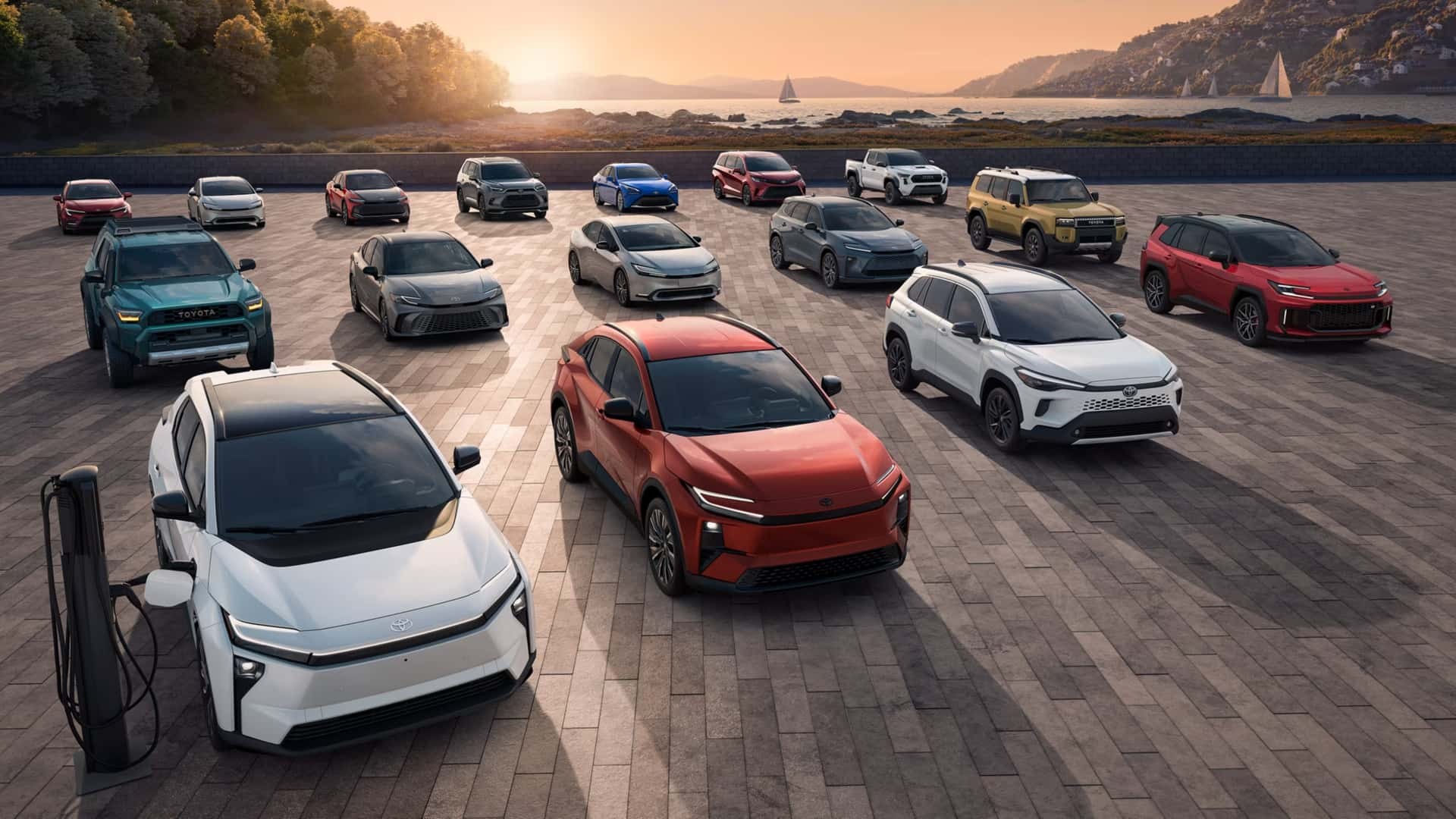
The digital showroom is open. It is busy, chaotic, and currently won by Toyota.
In April 2026, Toyota’s official site pulled 9.2 million unique visitors. That is barely ahead of Ford. The Blue Oval sat at 9.0 million. A difference of 200,000 people. In internet time, that is nothing. But it is the difference between first place and second.
The rest of the pack tells a different story. Hyundai-Kia didn’t just stay in the game; they pushed. Together, the Korean giants hit 6.2 million visits. That puts them well ahead of General Motors. Chevy’s parent company managed only 5.3 million. Nearly a full million people separated those two giants. It is a stark shift in where consumers are looking.
The Korean Surge vs. Traditional Giants
Why is Hyundai-Kia climbing? The numbers don’t lie. Stellar sales figures back up the web traffic. Shoppers aren’t just browsing; they are engaging. When you compare Hyundai and Kia vs. General Motors, the Korean advantage is clear.
Fiat Chrysler (now part of Stellantis) rounded out the top five with 4.8 million hits. Nissan followed at 4.3 million. Honda was close behind with 4.1 million.
Then the drop-off happens.
Tesla, often expected to dominate every metric, pulled in 2.5 million. That is high, but it puts them below traditional volume leaders. Volkswagen and BMW tied for tenth place with 2.1 million each.
| Rank | Automaker Group | Unique Visitors (April 2026) |
|---|---|---|
| 1 | Toyota Group | 9.2 Million |
| 2 | Ford Motor Company | 9.0 Million |
| 3 | Hyundai Kia Automotive Group | 6.2 Million |
| 4 | General Motors | 5.3 Million |
| 5 | Fiat Chrysler Automobiles (Stellantis) | 4.8 Million |
| 6 | Nissan | 4.3 Million |
| 7 | Honda | 4.1 Million |
| 8 | Tesla | 2.5 Million |
| 9 | Volkswagen Group | 2.1 Million |
| 10 | BMW | 2.1 Million |
Does Traffic Equal Sales?
Visit a site, and you might think buying a car is as easy as clicking “next.” It isn’t. Motor1 points out the obvious truth here: millions visit, but few buy immediately.
The internet has changed the journey. It is no longer about walking onto a lot. It is about side-by-side comparisons. According to Emarketer’s analysis of Comscore data, this shift is accelerating. Nearly 44 percent of consumers want to use artificial intelligence to compare multiple vehicles at once.
Think about that.
You want an AI to tell you which sedan fits your budget and lifestyle better. That is the new reality of car shopping. Shoppers use these high-traffic sites to learn. To compare. To decide.
Toyota leads because they know how to capture that early interest. Ford holds the line because of brand loyalty