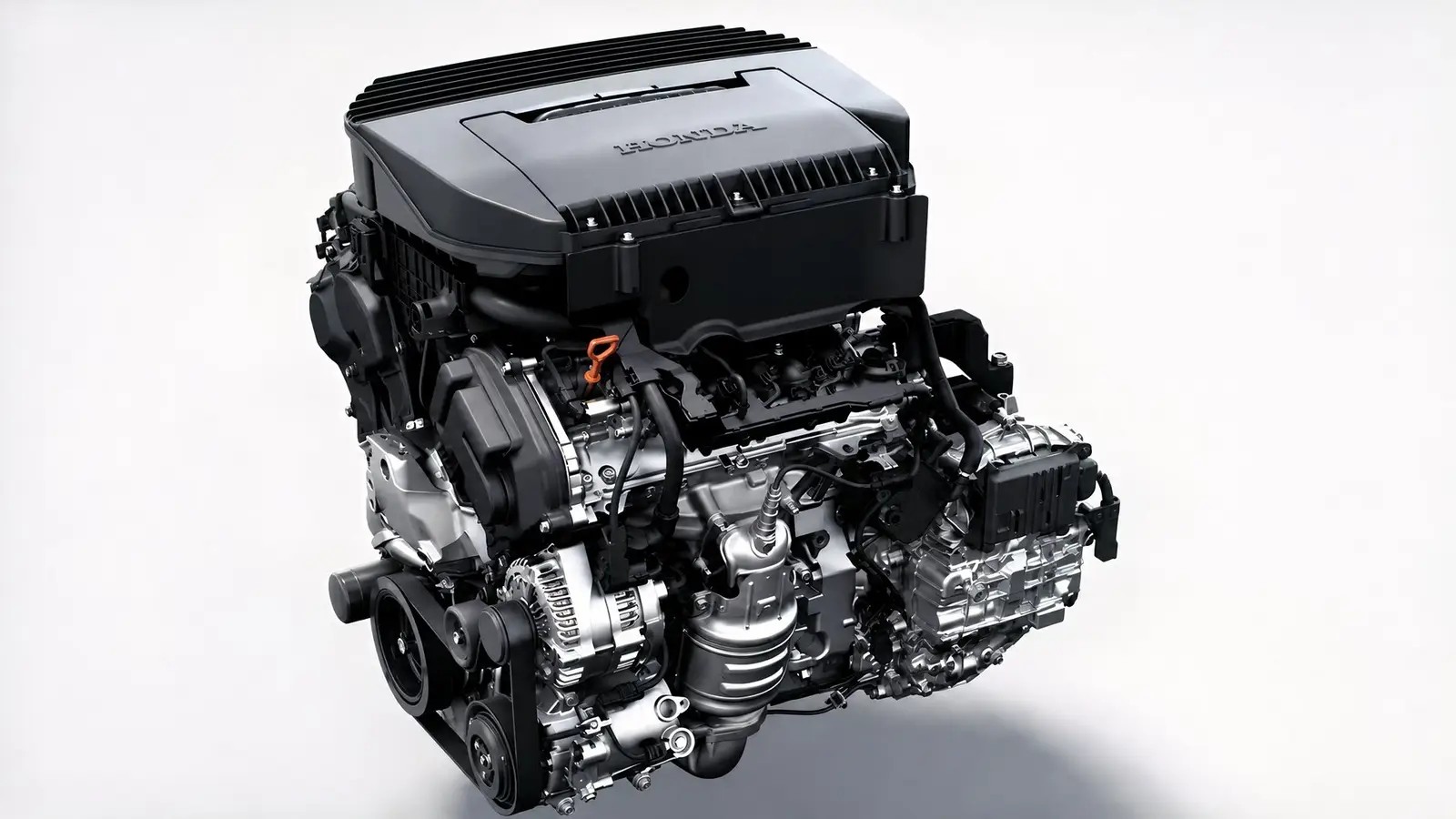
Turbocompresores. Todos dicen que son el futuro. La lógica es sólida sobre el papel. Menos cilindros, mejor kilometraje y un aumento en el torque a bajas revoluciones. Pero mire las facturas de reparación que se acumulan. Observemos la complejidad de los sistemas de propulsión modernos, que a menudo parecen diseñados para fallar de maneras costosas y específicas. Mientras tanto, hay una fórmula más antigua que está ganando silenciosamente.
No tiene el flash. No tiene insignia biturbo. Simplemente funciona.
Honda ignoró las exageraciones durante 27 años. Mientras que otros fabricantes de automóviles buscaban motores turboalimentados de pequeña cilindrada para cumplir con los estándares de emisiones y mejorar las hojas de especificaciones, Honda siguió refinando su V6 de 3.5 litros de aspiración natural. El resultado es el J35. No es el motor más potente del bloque, pero podría decirse que es el más confiable. Para los conductores que planean mantener sus autos mucho más allá de las 200,00 millas, el récord de confiabilidad del Honda J35 V6 ofrece algo que un cuatro cilindros turboalimentado simplemente no puede comprar: previsibilidad.
Por qué los mecánicos y los propietarios prefieren la simplicidad de aspiración natural
Nos encantan las cifras de caballos de fuerza. Nos encantan los tiempos de un cuarto de milla. Estos números venden coches en anuncios. No venden tranquilidad en el camino de entrada.
La conducción diaria requiere durabilidad. Requiere un motor que no te preocupe cuando baja la temperatura o cuando llegas a 150,000 millas en el odómetro. Ahí es donde brilla el diseño de aspiración natural. Evita el estrés térmico, las tuberías adicionales, los intercoolers y el caos de alta compresión de una configuración turbo. Menos piezas significan menos lugares donde romperse.
La simplicidad importa más que la potencia máxima en la rutina diaria. Un V6 de aspiración natural funciona a menor temperatura, recibe menos castigo y rara vez sufre las fallas catastróficas que afectan a algunas unidades modernas de inducción forzada.
La evolución de 26 años de una única familia de motores
El J35 comenzó su vida en 1998. Desde entonces, ha evolucionado silenciosamente hacia múltiples variaciones: el J35A, el J30Y y el J35Y actual que se encuentran en los modelos de la generación 2019 a la actual, como Pilot, Passport, Odyssey y Ridgeline. El Acura MDX también lo usa.
Está en todas partes porque funciona.
Considere la última versión, el J35Y en el Honda Pilot 2026. Impulsa 285 caballos de fuerza. El torque se sitúa en 262 lb-pie. Eso suena impresionante en una hoja de especificaciones. Pero la verdadera historia es lo que cambió bajo el capó. Honda pasó de SOHC/VTEC a DOHC (doble árbol de levas en cabeza) con VTEC. ¿Por qué? No para exprimir otros 20 caballos, sino para cumplir con los estándares de emisiones SULEV30 manteniendo el motor de aspiración natural.
Esta fue una elección deliberada. Honda podría haberle puesto un turbo a un cuatro cilindros y dar por terminado el día. Eligieron el refinamiento.
Las especificaciones no mienten, pero no cuentan toda la historia:
- Piloto 2026 (FWD): 19 mpg en ciudad/27 en carretera
- Piloto 2026 (AWD): 19 mpg en ciudad/25 en carretera
La diferencia de economía de combustible entre FWD y AWD es insignificante. Sin embargo, la diferencia de confiabilidad es enorme en comparación con la competencia.
Cómo el J35 evita los puntos comunes de falla del turbo
Veamos por qué los turbos tienen tantas dificultades a largo plazo. Los motores turboalimentados necesitan calor extremo. Necesitan altas presiones de escape para hacer girar la turbina. Ese calor tensiona los pistones, las bielas y los cojinetes. Destaca el propio turbo.
El J35 Y6 respira. Genera potencia a través del volumen, no de trucos de compresión. La presión de combustión es menor. El motor funciona más frío. No hay turbo que se retrase, ni intercooler que tenga fugas, ni válvula de descarga compleja que se quede abierta.
¿Es ineficiente según las métricas corporativas modernas? Sí. ¿Le falta el zumbido “tecnológico” que les encanta a los equipos de marketing? Absolutamente. ¿Pero es frágil? Casi nunca.
Para ser claros: los motores turboalimentados pueden ser confiables. Pero cuando fallan, su reparación resulta costosa. Las fallas del J35, si ocurren, generalmente están relacionadas con negligencia, no con fallas de diseño.
Mantenimiento: el único inconveniente en un diseño hermético
El J35 no es mágico. Es maquinaria. Y la maquinaria se estropea si no la engrasas.
Las primeras versiones de esta familia de motores abordaron problemas de consumo de aceite relacionados con el sistema de gestión de cilindros variable (VCM). Esas son noticias viejas. Las revisiones más recientes mitigaron significativamente esos problemas impulsados por el software. Sin embargo, dos cosas siguen siendo no negociables:
- Reemplazo de la correa de distribución. Este es un motor de interferencia. Si ese cinturón se rompe, tienes un bloqueo total. Honda recomienda cada 100,0 años. Si lo ignoras, ignorarás tu sustento.
- Servicio regular. La acumulación de carbono ocurre, especialmente en motores de inyección directa, si conduce en viajes cortos en ciudad. Necesitas mantenerte al día con el horario.
La transparencia es una fortaleza aquí. Los mecánicos pueden decirle exactamente qué está mal porque hay muy pocas “cajas negras” en este diseño. Compare eso con la complejidad de un turbo cuatro híbrido moderno, donde diagnosticar un código de error requiere un escáner de fábrica y la paciencia del distribuidor.
El retiro del mercado del Toyota V6: una advertencia sobre la complejidad
Compare la estrategia de Honda con la reciente apuesta de Toyota por el V6 biturbo V35A. Este motor, que se encuentra en la Tundra, Sequoia, Lexus LX y GX, reemplazó al querido V8 de aspiración natural de 5.7 litros a prueba de balas.
No salió bien. Aproximadamente 270.000 vehículos fueron retirados del mercado por fallas en los cojinetes principales causadas por desechos de mecanizado. Suena a error de fabricación. Pero apunta a algo más grande: el riesgo inherente a cambiar la filosofía del motor a mitad de camino.
Toyota tiene la cadena de suministro más compleja del mundo. Cuando cambiaron de diseño, ocurrieron errores. Honda no ha dado un salto tan dramático y de alto riesgo para sus motores insignia. No reinventaron la rueda. Engrasaron la rueda que ya tenían.
¿Vale la pena comprar el motor J35?
Para los propietarios que planean conservar un vehículo durante 10 a 15 años, sí.
Los datos de iSeeCars sugieren que el Honda Pilot tiene aproximadamente un 31,5% de posibilidades de alcanzar las 200.000 millas. Ese número es más alto que el de casi todos los competidores de tamaño mediano. Agregue a eso costos de reparación más bajos (un promedio de alrededor de $542 al año en comparación con el promedio de la industria de $652) y el caso de negocio es sencillo.
Los mecánicos independientes lo recomiendan porque pueden arreglarlo con herramientas sencillas y una buena hora de tiempo. Las piezas están disponibles en todas las tiendas de autopartes que se encuentren a poca distancia en automóvil de su hogar. Es el Toyota Camry del mundo de los SUV de tamaño mediano. Poco sexy. Omnipresente. Confiable.
Los modelos 2026 continúan esta tradición. Priorizan la longevidad sobre las calificaciones de eficiencia. Confían en que los clientes valoran la libertad por encima de los tiempos de un cuarto de milla.
La visión a largo plazo de la apuesta de ingeniería de Honda
27 años es una eternidad en el tiempo del coche. Cambio de tecnologías. Las modas surgen y fracasan. Honda mantuvo el rumbo. No entraron en pánico.
Este enfoque conservador rinde dividendos ahora, mientras otros fabricantes de automóviles enfrentan retiros masivos y fatiga de los compradores por los motores frágiles. La confiabilidad del Honda J35 no es un accidente. Es una elección.
¿Todavía requiere mantenimiento? Sí. Todavía exige un reemplazo de la correa de distribución. Sigue siendo más pesado y menos “eficiente” según las métricas gubernamentales. Pero no te defraudará en medio de la nada. Comenzará cuando te despiertes. Llevará a su familia a través de tres estados. Probablemente sobrevivirá al concesionario que vende el nuevo turbo híbrido de al lado.
En un mercado obsesionado con el próximo gran avance, apostar por lo que ya está funcionando podría ser la decisión más inteligente de todas. Las tendencias se desvanecen. El aceite dura más. Y a veces, la elección aburrida es la única que te lleva a casa.