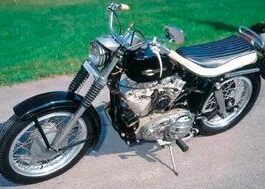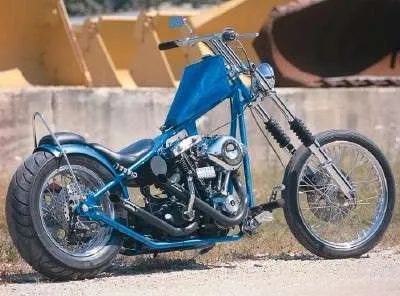
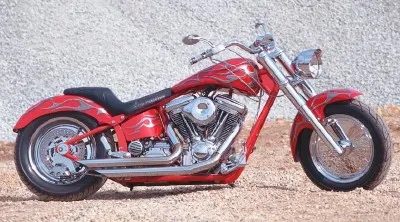

The Shovel is a custom Harley-Davidson motorcycle built by Dragon’s. The next chopper in the series features a S&S engine.
The Stump Puller: 96-Cubic-Inch S&S Power
The Stump Puller is a custom motorcycle with a 96-cubic-inch S&S engine. DD Custom Cycle built the next chopper.
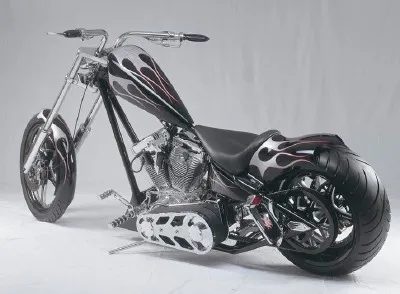

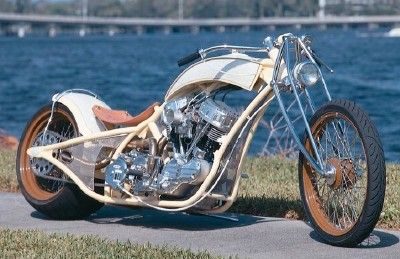

Hand-Formed Steel on the Rigidity
DD Custom Cycle builds the Rigidity from sheet steel. They form every component by hand. That process shapes the frame, fenders, and details without relying on standard stamped parts. The result is a build with visible tool marks and a raw, industrial character.
Next up is a chopper that borrows its name from a Scotch whisky.
The Johnny Walker: Edgy Design
The Johnny Walker chopper pushes boundaries. Its design is imaginative, sharp, and deliberately unconventional. You can spot the aggressive lines immediately. It stands out in a crowd.
Does the next bike on the list come with a rearview camera? Yes.
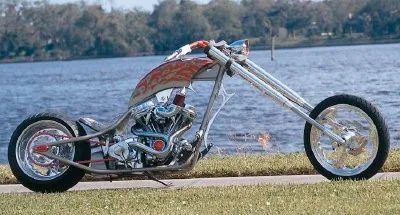

The Spoon: Custom Build Meets Harley-Davidson Power
This isn’t your standard garage project. The Spoon is a custom motorcycle built around a Harley-Davidson engine. It stands out because of its specific technical add-ons. One is a rearview video camera. This isn’t just a stylistic choice. It serves a functional purpose for the rider. The build blends raw power with modern utility.
Chopper Aesthetics and Skull-Adorned Brake Discs
Next, we look at a different style of custom bike. This one is a chopper. The visual focus is distinct. It features skulls on the brake disc. This is a bold design element. It moves beyond standard wheel design. The imagery is aggressive. It speaks to a specific subculture of bike customization. The hardware itself remains standard, but the presentation is unique.
Comparing Custom Motorcycle Builds
Why do builders choose such distinct paths? One build integrates tech, like the Spoon’s camera system. The other leans into pure aesthetics, like the skull-themed chopper. Both use robust engines. Both are custom motorcycles. The difference lies in the intent. One seeks practical advantage. The other seeks visual identity. Which approach resonates with your riding style?
Key Components in Custom Bikes
- Engine: Harley-Davidson powerplant (Spoon)
- Technology: Rearview video camera (Spoon)
- Style: Chopper configuration
- Design Feature: Skulls on brake disc
These elements define the builds. They are not mass-produced. They are individual expressions. The specs matter. The visuals matter. The rider’s choice drives the final result.
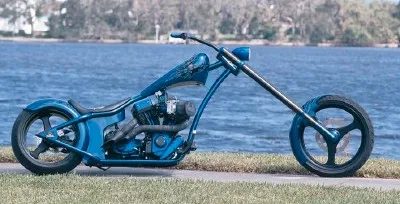


From The Wrench Custom Cycles to the Bad Moon
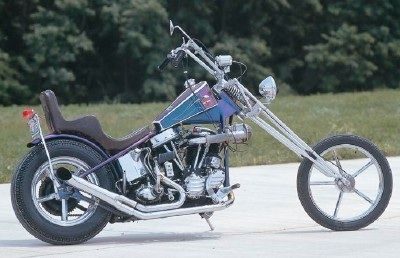
The Punisher chopper didn’t just roll off a factory line. The Wrench Custom Cycles built it. That specific build stands out immediately. It’s a distinct interpretation of the chopper style, carrying the shop’s signature hands-on approach.
Then there’s the FLH. Jerry Morgan took a standard Harley-Davidson and pushed it through six separate rounds of customization. Six times. That’s a lot of paint, welding, and wiring for one motorcycle. The result is a deeply personal machine, layered with decisions made over time rather than a single weekend project.
For those looking at the next entry, the Bad Moon chopper is the one to study. It follows the FLH in the sequence. If you’re tracking the evolution of these custom builds, the Bad Moon represents the next step in this specific collection. It’s less about raw speed and more about the accumulated identity of the machine. How does the sixth iteration on the FLH compare to the final look of the Bad Moon? That’s where the real discussion starts.
The Punisher remains the anchor for The Wrench Custom Cycles’ output. Jerry Morgan’s work on the FLH shows what happens when you commit to multiple passes on a single platform. The Bad Moon chopper continues that thread. Each bike tells a different story, but they all live in the same garage of ideas.


How Kenny Rollins Built the Bad Moon Chopper
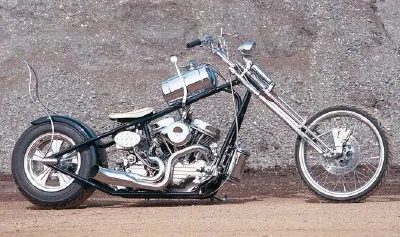
Kenny Rollins didn’t use stock parts for the Bad Moon. He built it custom around a hardtail chassis sourced directly from Killer Choppers. The build is a deliberate deviation from factory standards, relying on that specific frame architecture to define its stance and handling characteristics. Rollins’s approach here is less about cosmetic flair and more about the structural foundation. The hardtail setup eliminates rear suspension travel, which is a polarizing choice for modern riders but a classic requirement for traditional chopper aesthetics.
Who Built the Next Chopper?
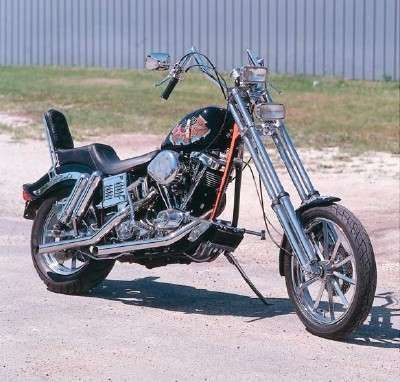
After the Bad Moon, the wheelhouse passed to Drago Slimonia. He took the next project into his own shop, H-D Garage. This transition marks a shift in workshop dynamics. Rollins provided the custom fabrication framework, but Slimonia moved the build process into a dedicated Harley-Davidson-centric environment. The name H-D Garage isn’t just a label; it signals a specific focus on Harley-Davidson engineering and restoration standards, even when building a custom chopper.
What Powerplant Does the Dual Glide Use?
The Dual Glide runs on a Harley-Davidson engine. For a machine of this caliber, the powerplant is the non-negotiable core. Slimonia and his team at H-D Garage integrated the H-D power into the chopper frame, ensuring the drivetrain matches the bike’s intended character. Whether you’re looking at torque curves or top-end power, the choice of a Harley-Davidson motor keeps the Dual Glide firmly in its lineage. It’s not a swap to a metric or American V-twin from a different manufacturer. It’s a purebred build.
Why the Dual Glide Design Matters
This isn’t just another stripped-down cruiser. The Dual Glide represents a specific intersection of custom fabrication and factory heritage. When you look at the build, you’re seeing the work of Drago Slimonia applying his H-D Garage expertise to a chopper format. The term “below the belt” in the source context likely refers to the bike’s low-slung, aggressive stance or a specific design element that sits lower than traditional setups, though the mechanical reality is defined by that Killer Choppers hardtail influence and the Harley-Davidson engine. The build proves you don’t need a fully custom frame from scratch to create a legitimate chopper. You need a good chassis, a reliable engine, and a builder with the vision to make them work together.

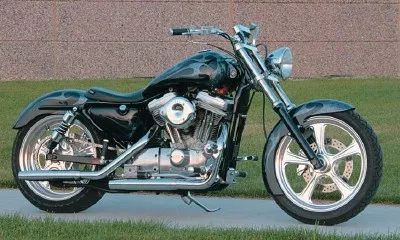

Sportster Specs: 74-Cubic-Inch Power and 5-Speed Gearbox
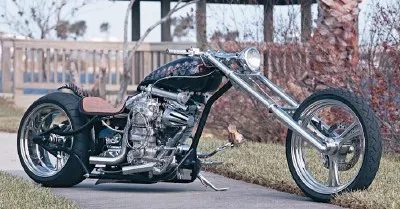
The Sportster sits in a different lane. It is a custom motorcycle built around a 74-cubic-inch Harley-Davidson engine. The drivetrain features a 5-speed transmission. That combination delivers a specific type of torque. The engine size is modest compared to the Low Blow, but the character is distinct.
This bike has a reputation. It goes very well with the death penalty. That phrase is stark. It implies a certain lethality or high-stakes association with the machine. The connection is not mechanical. It is cultural. Or narrative.
The Sportster is not a cruiser in the traditional sense. It is a custom build. The 74-cubic-inch displacement is a specific engineering choice. The 5-speed gear count is standard for this class. The Harley-Davidson name carries weight. The edgy style of the Low Blow contrasts with the Sportster’s different vibe.
Why mention the death penalty? It is a phrase from the source. It suggests the bike is linked to severe outcomes or a specific subculture. It is not a safety feature. It is a descriptor.
The Sportster’s engine is the core. 74 cubic inches. That is a specific displacement. The 5-speed transmission handles the power delivery. The custom nature of the bike means it is not off-the-shelf in the same way as mass-produced models. It is built to taste.
The Low Blow is a chopper. The Sportster is a custom motorcycle. Both have power. Both have style. The Sportster’s association with the death penalty is a unique attribute. It is not a standard spec. It is a narrative element.
The 74-cubic-inch engine is the heart. The 5-speed gearbox is the spine. The Harley-Davidson brand is the soul. The custom build is the body. The death penalty connection is the shadow.
Is it safe? The source does not say. It says it goes well with the death penalty. That is the fact. The rest is interpretation.
The Sportster is not for everyone. It has a specific identity. The 74-cubic-inch engine is a precise figure. The 5-speed transmission is a precise component. The custom build is a precise approach. The association is a precise statement.
The Low Blow had edgy style. The Sportster has a different edge. It is sharper. It is darker. The power is there. The style is there. The reputation is there.
The 74-cubic-inch displacement is a key spec. The 5-speed transmission is a key spec. The Harley-Davidson engine is a key spec. The custom motorcycle designation is a key spec. The death penalty connection is a key detail.
It is a bike that exists in a specific space. It is not a cruiser. It is not a chopper. It is a custom motorcycle. It has a 74-cubic-inch engine. It has a 5-speed transmission. It is a Harley-Davidson. It goes well with the death penalty.
That is the article. That is the bike. That is the fact.


Aggression: Radical Custom Trophy Winner
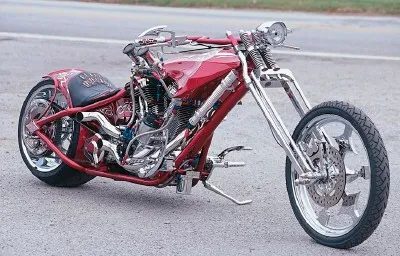
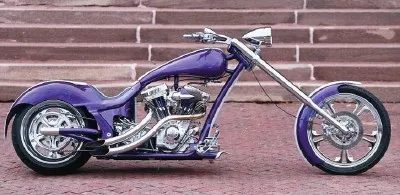
The next build in the lineup carries serious accolades. Built by Chip Miyler and Midwest Choppers, the Aggression took home the Best Radical Custom trophy. It is a chopper that does not ask for approval.
Then there is the Marvel-inspired machine. This specific chopper draws its design language from the comic book universe. The source material for the styling is clear. It channels the energy of the superhero directly into the steel and chrome.
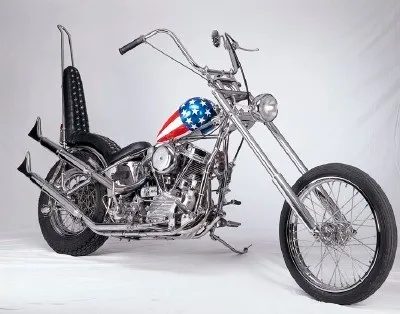

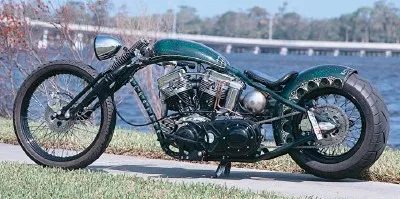

The Fiend Chopper sits in a different weight class than the polished Captain America. While that classic machine leans into chrome and heritage, the Fiend is all about raw, unapologetic power. It runs a Harley-Davidson-inspired V-twin engine, a throwback design that prioritizes torque and mechanical grunt over modern refinement. This isn’t a bike for the faint of heart. The build is aggressive, the stance is low, and the intent is clear. It’s a custom piece that respects the V-twin era without apologizing for its size. If you expect softness or subtlety, look elsewhere.
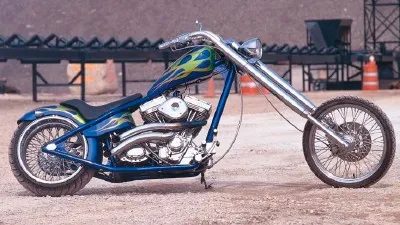

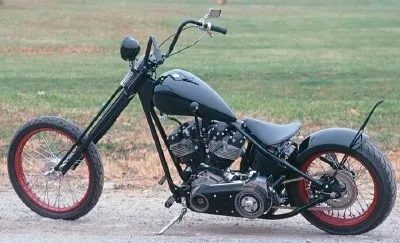

Old Skool: Scooter Shooterz Builds a Custom Motorcycle That Refuses to Look Forward
Old Skool isn’t trying to impress you with futuristic curves or digital dashboards. It’s a custom motorcycle built by the workshop Scooter Shooterz, and it leans hard into nostalgia. The build pays homage to the past, stripping away the modern noise to expose the raw, mechanical soul underneath.
Where the previous build, Hard Tail, showcased paint jobs with intricate inner workings, this machine goes the opposite direction. It’s a return to the basics. The aesthetic is deliberately dated, echoing the era when riders cared more about the feel of the throttle and the sound of the exhaust than the spec sheet.
This isn’t just a retro skin on a modern frame. It’s a specific design choice. The Old Skool chopper embodies a philosophy that values old skool craftsmanship over contemporary trends. It speaks to a different kind of enthusiast. One who remembers when tuning meant listening to the carburetor, not watching a telemetry screen.
The build stands in contrast to the Hard Tail. That bike was complex, layered, a puzzle of paint and mechanics. Old Skool is direct. It’s about the essential elements of a custom motorcycle. The frame, the engine, the stance. Nothing extra. Nothing hidden.
Scooter Shooterz knows exactly what they’re doing. They aren’t chasing the “next big thing.” They are preserving a specific vibe. It’s for the rider who wants to feel the history in every turn. The bike doesn’t just look old. It acts like it belongs to a different time.
Is that a weakness? Not if you value authenticity over innovation. The Old Skool build proves that going back isn’t a dead end. It’s a statement. It says, “I know what a motorcycle is. I don’t need your updates to remind me.”
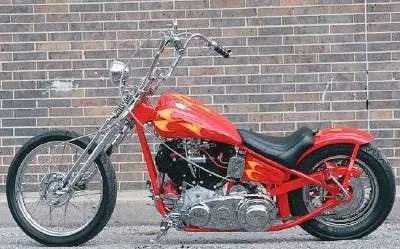

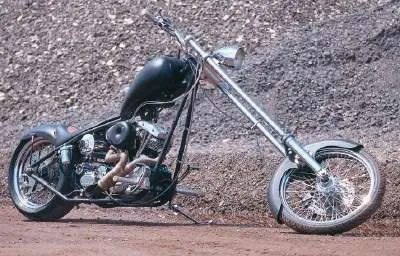
The Tramp: Where the Daytec Frame Meets a Unique Engine
The Tramp represents a distinct shift in the Psycle Barn build process. Unlike the EL chopper, which stands as a standalone custom piece, the Tramp is defined by its chassis and powerplant. It runs on a Daytec frame, a choice that dictates the geometry and ride feel before a single drop of paint is applied.
The engine is equally specific. It isn’t a stock swap. It is a unique engine build, tailored to fit the frame’s constraints. The name “Tramp” comes directly from its owner. That is the only naming convention used for this bike.
How the Tramp Differs from the EL Chopper
The EL chopper was built by Psycle Barn, Rodney Mann, and Robert Berry. It is a custom Harley-Davidson motorcycle. The Tramp shares the Psycle Barn lineage but diverges in construction.
| Feature | EL Chopper | The Tramp |
|---|---|---|
| Base Bike | Harley-Davidson | Custom (Daytec Frame) |
| Frame | Custom Build | Daytec |
| Engine | Harley-Davidson | Unique/Custom |
| Naming Origin | “EL” (likely initials or code) | Owner’s name |
The EL chopper is not homeless. It is a specific, attributed build. The Tramp is the next iteration in the sequence. It does not inherit the EL’s identity. It stands on its own as a Daytec-framed custom motorcycle with a named owner.
Why the Owner’s Name Matters in Custom Builds
In the custom motorcycle world, naming is personal. The Tramp is not a model. It is a title. The Daytec frame provides the skeleton. The unique engine provides the heartbeat. The owner provides the name. This triad defines the build.
The EL chopper had its own story. The Tramp has a different one. The frame choice signals a different design philosophy. The engine choice signals a different performance target. The name signals a different relationship between builder and rider.
Which Components Define the Tramp’s Character?
The Daytec frame is the structural anchor. It is not a stock Harley frame. It is a custom tubular steel construction, likely with different rake and trail measurements than a standard Big Twin. This affects handling at low speeds.
The unique engine is the power unit. It is not a 88-cubic-inch or 103-cubic-inch stock mill. It is a custom assembly. The displacement, compression, and cam profile are specific to this build. The combination of the Daytec frame and this unique engine creates a motorcycle that is mechanically distinct from the EL chopper.
The owner’s name, “Tramp,” is the final layer. It is not a technical specification. It is a cultural marker. It tells you who rides it, how they use it, and why it was built. The Tramp is a complete package: frame, engine, and identity.
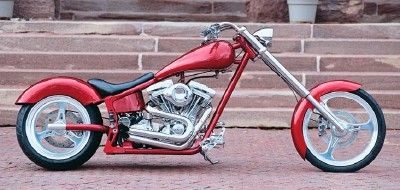

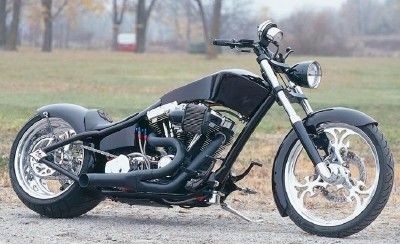

The Custom Chopper Named After Its Owner
Tony Morrow didn’t just buy a bike; he handed Midwest Choppers a blank canvas. The result is a one-of-a-kind machine named directly after him. No restrictions. No design briefs. Just free reign to build whatever they wanted. That level of trust usually yields something wild, and this chopper fits that bill.
Engine and Transmission Specs
Across the state, Scooter Shooterz in Indiana handled the build on Assassin. The heart of the beast is a 124-cubic-inch S&S engine. Big bore. Big stroke. Big power. They paired that iron with a 6-speed transmission, giving the rider more gear range than the standard 3-speed setups found on classic choppers.
The rear end? A classic 300-mm wide tire. That’s a fat slick that eats the pavement. It’s not subtle. It’s not efficient for cornering. It is, however, exactly what you expect from a custom drag-adjacent chopper. The stance is wide, the tire is huge, and the whole package screams “look at me.”
Why go 6-speed on a chopper? Most stick to 3. But with a 124-inch S&S, the torque curve benefits from closer ratios, especially if you’re pushing the limits on highway runs or just want a smoother pull out of the second gear. It’s a thoughtful touch for a bike that’s clearly built for performance, not just show.
The combination of the S&S powerplant, the 6-box, and that 300-mm rear rubber makes Assassin a statement piece. It’s not a daily driver. It’s a machine that exists to be seen, to be heard, and to be feared on the straightaway.
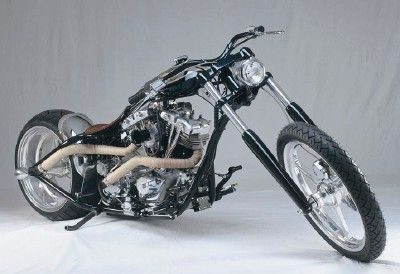

Customizing the Chassis and Front-End Hardware
The Astrozombie didn’t start from a blank sheet of paper. It started with an off-the-shelf frame, but the builders didn’t leave it stock. They tweaked the geometry specifically for this application. The front end received similar treatment. Those Harley-Davidson Deuce forks weren’t just bolted on; they were modified to fit the build.
Engine Specs: The 93-CI Shovelhead
Power delivery relies on a Harley Shovelhead engine. But not a stock one. The displacement has been enlarged to 93 cubic inches. That’s the heart of the machine, pushing more air and fuel through the cylinders than the factory standard allows.
Hand-Fabricated Bodywork
Forget stamped metal here. The fender, fuel tank, and side plates were all hand-formed. Every curve and panel was shaped by hand to match the frame. No two pieces are identical. That’s where the “Astrozombie” name comes from, really. It’s a one-off monster built from parts that were bent to will, not cast from a mold.
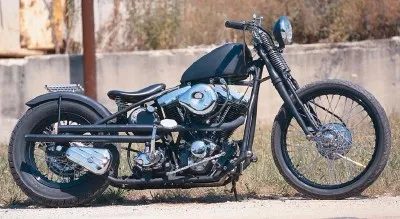

Harley-Davidson Dirty Love Chopper Specs: Frame, Forks, and Engine
That flat black chopper isn’t built for comfort. It is built to move. The Dirty Love relies entirely on Harley-Davidson hardware for its core structure. The frame traces back to a 1949 model. The front end runs on 1937 forks.
The heart of the machine is a Harley Evo V-twin. Builders expanded the displacement from the standard 80 cubic inches to 89 cubic inches. That extra volume changes the torque curve. It hits harder at low rpm.
Most parts are stock Harley components. The only deviation is the engine bore and stroke adjustment. This setup prioritizes raw power over refinement. It is a stripped-down performance platform wrapped in a classic shell.
The 1949 frame provides rigidity. The 1937 forks add a period-correct aesthetic while maintaining functional geometry. The 89 cubic-inch Evo engine delivers the grunt needed to pull that weight. It is not a custom one-off build. It is a specific, reproducible recipe using known Harley-Davidson parts.
Why the 89 cubic-inch figure? That is a common displacement step for Evo engines. It sits between the factory 80 and the larger 93 or 96 options. It offers a noticeable bump in mid-range power without requiring a complete crankcase rebuild. The flat black finish hides the complexity underneath. You see the muscle. You feel the torque.
This build answers a specific question: how do you maximize performance using only OEM Harley-Davidson parts? The answer is selective displacement increase and period-correct chassis selection. No exotic aftermarket frames. No foreign engine swaps. Just Harley iron, tuned for speed.
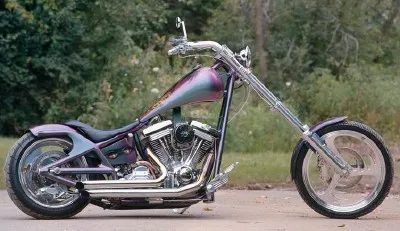

Chameleon paint and 113-cubic-inch power on the Creep Show
The Creep Show doesn’t just look different. It shifts. That chameleon paint plays tricks on your eyes, flipping from deep purple to green depending on the light and your angle. It’s not a subtle metallic flake. It’s a mood shift.
But the color is just the intro. Underneath, the bike is packing serious horsepower.
TP Engineering built the heart of this machine. A 113-cubic-inch engine pushes the Creep Show into territory most custom builds only dream about. That’s not a mild bore-and-stroke. That’s a dedicated high-performance build.
You don’t just see this bike. You hear it. You feel the torque before the throttle even opens fully. The 113-cu in displacement means it’s built for raw, linear pull, not just top-end screamers.
A 113-cubic-inch engine from TP Engineering changes what a custom bike is supposed to do.
If you’re hunting for a build that blends visual unpredictability with mechanical brute force, this is it. The paint gets the first look. The engine keeps you watching.
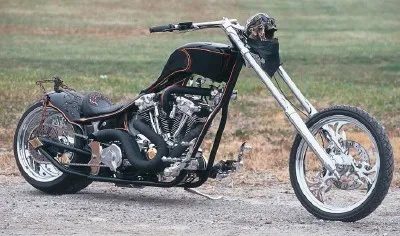

Custom details under a nine-day deadline
Ninety-six hours. That is the window Scooter Shooterz had to build the Executioner for the Discovery Channel’s Biker Build-Off. Nine days sounds like a blink for a full custom build, but the team managed to pack in details that usually take weeks.
They started with a black base. Then came the gold leaf. Applying gold leaf to a motorcycle isn’t just spraying paint; it is a meticulous, fragile process where the surface has to be perfectly prepared, or the flakes crack and lift. Doing that on a tight deadline requires a specific kind of calm.
The leather work adds texture to the visual noise. Flames made of leather, secured with copper rivets, sit against the dark metal. It is a classic custom trope, executed with a level of precision that often gets lost when teams rush the final hours.
Then there is the headlight. It does not just shine. It spews flame.
A functional headlight that also acts as a small torch sounds like a gimmick until you see it in motion. It changes the bike’s character entirely, turning a standard lighting component into part of the show. The engineering behind that is as interesting as the aesthetics. You have to manage heat, fuel flow, and safety in a space designed for a bulb.
The build proves that time constraints do not always strip a project of its soul. Sometimes, the pressure forces the team to make sharper choices, cutting out the filler and focusing on the elements that define the machine. The Executioner is not just a bike built fast; it is a bike where every visible decision had to earn its place on the frame.
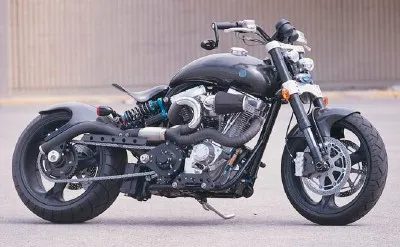

Stopping Power Meets S&S Muscle
Confederate didn’t just slap a big motor on a tube frame for the Hellcat 124. They engineered the chassis to handle the punishment. Up front, inverted Marzocchi forks manage the front end, while a Penske coil-over shock handles the rear. The braking hardware is heavy: twin 300-mm discs with six-piston calipers bite the front wheels, and a 280-mm disc with a twin-piston caliper manages the back.
The 124-cubic-inch S&S Super Sidewinder Plus engine offers an impressive 130 rear-wheel horsepower.
Those numbers matter. 130 horsepower at the rear wheel is a lot for a custom chopper. The S&S Super Sidewinder Plus isn’t a stock small-block swap. It’s a high-revving, high-flowing machine that demands the kind of suspension and brakes you see here. The hardware isn’t decorative. It’s required to keep the 124-ci engine honest on the pavement.
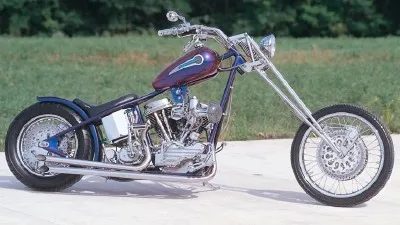
The 74-Cubic Panhead at the Heart of Purple Haze
The engine didn’t get bigger. It stayed where it was.
Michael Bailey bought the Harley-Davidson back in 1974. For two decades, it sat. Then the chopper project started. Two years of work. The result is a machine called Purple Haze. Under the hood, the original Panhead V-twin is still there, holding steady at 74 cubic inches. No displacement bump. No modern crate motor swap. But what surrounds that vintage iron? That is where the build gets interesting.
Bailey replaced a lot of the stock setup with modern, high-performance parts. The displacement is classic. The supporting cast is not.
The original Panhead V-twin remains at 74 cubic inches, but many parts have been replaced with modern, high-performance substitutes.
Why Keep the 74-Cube?
Why not just drop in a Sportster or a Milwaukee-Eight? Maybe the sound. Maybe the weight. Maybe the fact that a 1974 Panhead has a specific character that newer engines just don’t have.
Bailey kept the core. He changed everything else.
The project took two years. That is not a weekend rebuild. That is a obsession with a deadline.
What Was Actually Replaced?
The source details are specific on the engine size, less so on the exact list of modern components. But “many parts have been replaced” tells you this is not a stock restoration. It is a hybrid. Vintage chassis and soul, modern performance hardware.
Think about what that means. A 74-cubic-inch engine is not fast by modern standards. It is not a 1200cc or a 1600cc. But with modern intake, exhaust, and fueling, that old Panhead can pull harder than it did in 1974. The displacement is the same. The output is not.
Bailey did not chase horsepower for the sake of numbers. He chased a specific ride. A specific look. A specific sound.
Purple Haze: The End Result
The name fits. It is not a clean, showroom build. It is a project with history, with time, with two years of hands-on work after twenty years of waiting.
The 74-cubic Panhead is the anchor. The modern parts are the sails.
Where does that leave you? With a bike that is technically a 1974 Harley, but mechanically something else entirely. The displacement says one thing. The performance hardware says another.
Purple Haze is not a restoration. It is a translation.
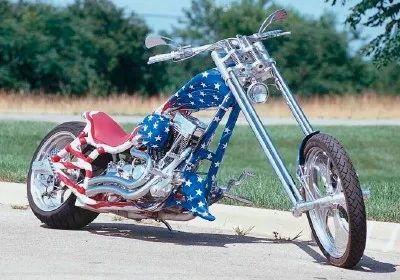

S&S Power and Patriotic Paint
The heart of the build is an 113-cubic-inch S&S engine. It pushes power directly to the rear, driving the distinctive “mag” style wheels. That mechanical setup defines the chopper’s performance character.
But the paint job does the heavy lifting for visibility. A red, white, and blue scheme wraps the frame. It makes the bike pop in any crowd. The color choice aligns with the aggressive, custom aesthetic. You see the S&S badge, then you see the stars and stripes. The combo is loud, intentional, and hard to miss.
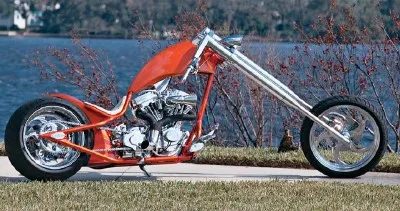

Hand-Forged Metal and the Powerhouse 114
Nothing on Sabre Tooth came off a production line. Every panel, every curve, the entire sheetmetal skin? Hand-formed. Fearless Choppers and Precious Metal Customs spent hours shaping the chassis and body by hand. No stamping presses here. Just hammers, heat, and patience.
Under the hood sits the heart of the beast. A Powerhouse 114-cubic-inch V-twin. It pushes a massive amount of torque through the rev range. This isn’t a stock engine swap. It’s built to work with the rest of the custom rig.
The transmission choice is specific. A Baker 6-speed unit handles the power. Right-side drive. If you’ve ever ridden a standard motorcycle, the shift pattern feels inverted. That’s a detail only the committed notice immediately. It changes the ergonomics of the ride, forcing the rider to adapt to the machine rather than the machine to the rider.
Why the right-side drive? Sometimes it’s clearance. Sometimes it’s aesthetics. In the case of a fully custom chopper like Sabre Tooth, it’s often about integrating the drivetrain into a chassis that didn’t exist before the metal was shaped. The Baker box is a robust choice for a big V-twin. It holds up under load.
The Chassis: Where the Work Actually Happens
The engine is loud. The metal is eye-catching. But the chassis is where the engineering lives. Hand-forming a custom frame is brutal work. It’s not about welding standard tubes together. It’s about bending, tapering, and aligning steel until the ride height and geometry work exactly as intended.
Fearless Choppers and Precious Metal Customs didn’t just bolt parts together. They created a structure from scratch. That means every mounting point for the engine, the transmission, and the suspension was designed around the specific needs of the Powerhouse motor and the Baker gearbox.
“Custom doesn’t mean unique parts. It means unique problems solved by hand.”
This distinction matters. You can buy a 114-cubic-inch V-twin. You can buy a Baker 6-speed. But you can’t buy the specific way Sabre Tooth’s frame interacts with those components. That interface is entirely bespoke. The result is a motorcycle that feels cohesive, not assembled.
Specs That Matter to the Rider
Let’s break down the mechanical reality of Sabre Tooth.
- Engine: Powerhouse 114-cubic-inch V-twin
- Transmission: Baker 6-speed
- Drive Side: Right
- Body/Chassis: Hand-formed sheetmetal and custom frame by Fearless Chopers and Precious Metal Customs
The 114-cubic-inch displacement is a big number. In the world of custom V-twins, it signals serious torque. You’re not looking for high-revving thrills. You’re looking for low-end punch that pulls the front wheel off the ground in second gear. The 6-speed transmission gives you the gearing options to keep that torque in the usable range across the revs.
Right-side drive changes the maintenance routine too. Chain adjustments, transmission inspections, and clutch work all happen from the right side. If you’re a mechanic who’s used to left-side drives, you’ll need to rethink your
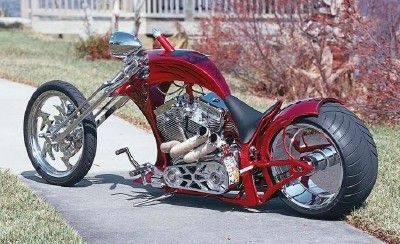
How Suicide Softail Suspension Handles 145 Cubic Inches of Torque
The rear end of a Suicide Softail leans on a twist that makes it a favorite among custom builders: a rear swingarm with adjustable air-spring suspension bolted right behind the motor. That 145 cubic inch V-twin doesn’t just make noise. It makes torque, and this setup has to absorb it without the bike feeling like it’s bucking you out of the saddle.
Why Air Spring Suspension Beats Coils Here
Most softails use twin coil shocks. The Suicide Softail swaps those for a single air spring. You can dial in pressure to match your weight, your passenger’s weight, and how hard you ride. Loosen it up for long hauls, stiffen it for canyon carving. The coil setup is fine for stock setups, but once you start dropping fenders, cutting tank shapes, and swapping wheels, the air spring gives you a level of tuneability that coils just can’t match.
What Actually Changes When You Adjust the Air Spring
It’s not just a comfort thing. The rear suspension affects how the tires grip the pavement under acceleration and braking. A soft rear end lets the tire wash out when you open the throttle. A stiff one transfers more of the engine’s push to the road but can make bumps jarring. The sweet spot is where the bike feels planted without feeling like you’re riding a shopping cart on a cobblestone street.
Which Riders Benefit Most From This Setup
People who travel. That’s the big one. Hours on the highway, back fatigue, wind buffeting the rear end. The adjustable air spring lets you set the ride height so the bike doesn’t squat too much under load, which keeps the steering predictable at speed. It also helps if you’re hauling a rider in the back. Add 200 pounds and the rear end drops. Add air pressure and you’re back where you need to be.
How This Differs From Stock Harley Softail Suspensions
A stock 145 cubic inch Softail runs twin coils with limited adjustment. You get a bit of preload, sure, but not the fine-grained control of an air spring. The Suicide Softail setup is essentially a performance upgrade wrapped in a custom package. It’s not about making the bike faster in a straight line. It’s about making the bike feel faster, because the tires stay in contact with the road for longer, and the steering stays honest when the road gets weird.
Where This Setup Shows Its Limits
Air springs can fail. The bladder can rupture, the valve stem can leak, and unlike a coil spring, you can’t just replace a broken part at a roadside shop. You need the right tools and a decent amount of know-how. If you’re in the middle of nowhere and the air pressure drops, you’re looking at a very slow ride or a tow. Coils, by contrast, are near-indestructible in normal use.
What to Check Before You Buy One
Look at the condition of the air spring bladder. Any cracks, bulges, or dry spots mean replacement is coming. Check the linkage for play. The swingarm pivots need to move smoothly. If you’re buying a used Suicide Softail, take it for a ride with the rider you’ll actually be carrying. Set the